Shenzhen has entered “APEC mode”. From November 18 to 19, the 33rd APEC Economic Leaders’ Meeting is held in Shenzhen. This marks the third time China has hosted the APEC Leaders’ Meeting and its return as host after a 12-year gap.
Why have 21 economies gathered in Shenzhen for this “informal” meeting? Here are nine key points to help you understand the significance of this event.
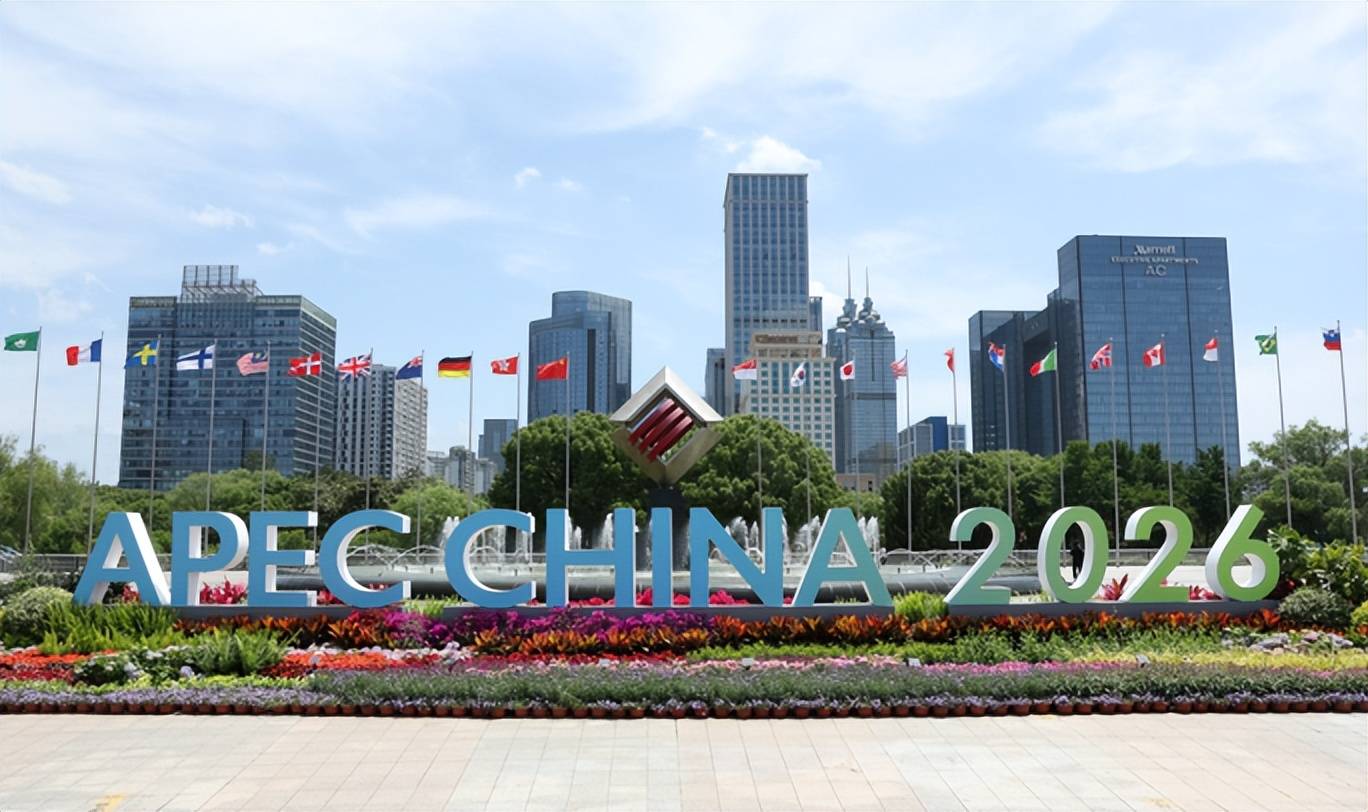
Photo: APEC-themed flower beds line Shennan Boulevard. Photo by Chen Wen, CNSphoto.
1. What is APEC?
APEC stands for Asia-Pacific Economic Cooperation. Simply put, it is a major cooperation platform for economies across the Pacific Rim to discuss trade and business.
Founded in Canberra, Australia, in 1989, APEC now has 21 member economies. It covers roughly 3 billion people, accounts for about 60% of the global economic output and nearly half of global trade. It is the highest-level, most extensive and influential economic cooperation mechanism in the Asia-Pacific region.
This platform brings tangible benefits. Many imported smartphones, fresh cherries on supermarket shelves, and trans-Pacific orders secured by foreign trade companies all benefit from APEC’s long-term efforts to facilitate trade and investment, streamline customs clearance and advance regional economic integration.
2. Why are APEC participants called “member economies” instead of “member countries”?
Official APEC documents consistently use the term “member economies” rather than “member countries”.
APEC focuses on economic and trade issues, and its participants engage with one another as economic entities. In November 1991, under the one-China principle and the principle of distinguishing sovereign states from regional economies, China, Chinese Taipei and Hong Kong, China joined APEC together.
APEC operates on the basis of voluntarism and consensus. Decisions require unanimous agreement from all members. Outcome documents are not legally binding, yet members bear political and moral responsibility to implement them to the best of their ability.
This flexible cooperation framework allows 21 economies with huge disparities in development stage, systems and scale to work together and maintain dynamism over the long run.
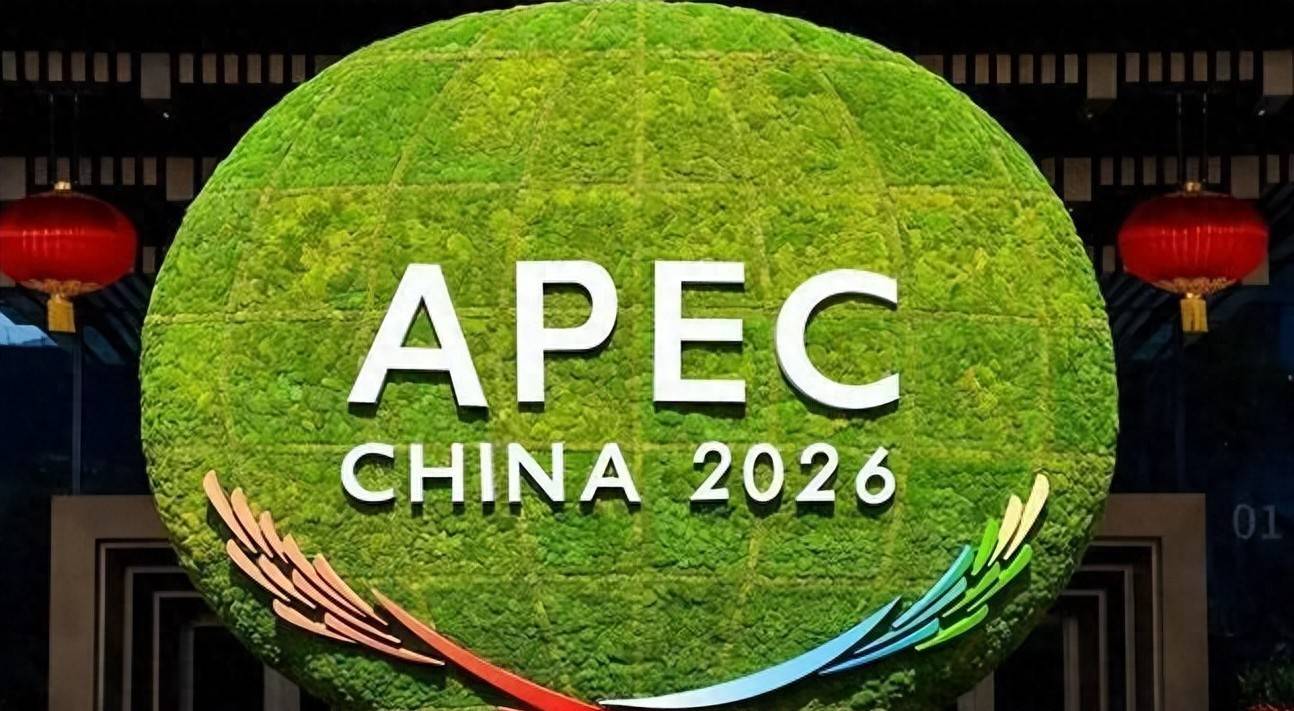
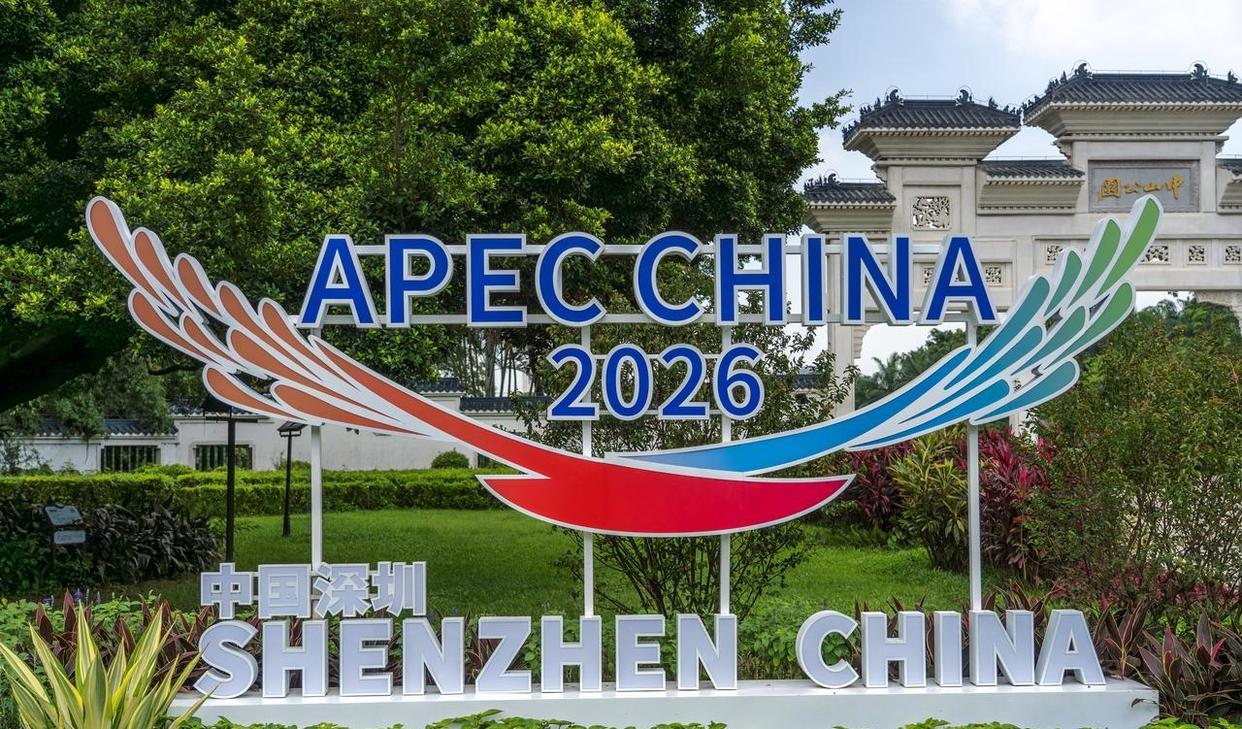
Photo: A citizen takes photos of the APEC logo in Huaqiang North, Shenzhen. Photo by Zhang Xiangyi, China News Service.
3. Why Shenzhen?
China previously hosted the APEC Economic Leaders’ Meeting in Shanghai (2001) and Beijing (2014). The 2026 session in Shenzhen marks the third time China hosts this flagship event.
The three host cities reflect three phases of China’s opening-up:
- Shanghai demonstrated China’s resolve to integrate with the global economy on the eve of its WTO accession.
- Beijing witnessed the launch of the Free Trade Area of the Asia-Pacific (FTAAP) process, charting a long-term blueprint for cooperation.
- Shenzhen, a window of reform and opening-up, a pilot demonstration zone for socialism with Chinese characteristics and a core engine of the Guangdong-Hong Kong-Macao Greater Bay Area, showcases the practical implementation of opening-up policies.
Choosing Shenzhen as the venue sends a clear signal: China’s door to the outside world will not close; it will only open wider.
4. Why is this high-level summit called an “informal meeting”?
In 1993, the then APEC host, the United States, proposed holding a leaders’ dialogue after the ministerial meeting. Not all members agreed to a formal summit. The parties finally agreed on an informal discussion format, hence the name “Economic Leaders’ Meeting”, which has been retained ever since.
The “informal” nature means a flexible agenda. Leaders can exchange views freely on issues of shared concern. In core sessions, they may enter without accompanying aides or interpreters. While outcome documents carry no legal force, all members advance initiatives on a voluntary basis.
The absence of legal binding force does not diminish its importance. It prioritizes candid dialogue and equal consultation, an institutional design suited to the diverse realities of the Asia-Pacific.
5. What has been achieved during China’s APEC host year?
Preparations for APEC do not only kick off in November. China took over the APEC host role in November last year, and preparations have been underway for a full year.
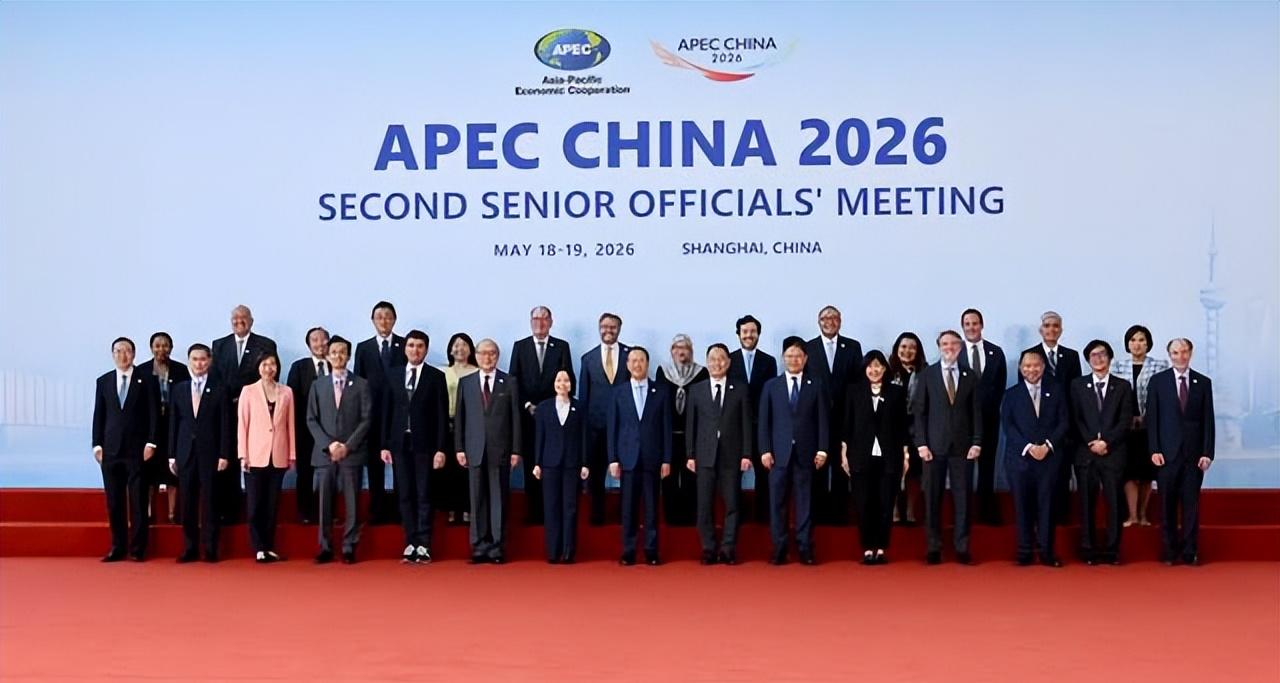
Senior officials’ meetings and the 1st, 2nd and 3rd Senior Officials’ Meetings have been held successively in Shenzhen, Guangzhou, Shanghai and Dalian. The final Senior Officials’ Meeting wrapped up in Shenzhen shortly before the leaders’ gathering. These meetings have laid solid groundwork for the Leaders’ Meeting.
China has also hosted 10 ministerial-level meetings covering women’s affairs, trade, tourism, forestry, food security, small and medium-sized enterprises, energy, human resources development, transport and finance, as well as the APEC Digital Week in Shanghai, Suzhou, Macao, Shenzhen, Hangzhou, Guangzhou, Beijing, Nanjing, Hong Kong and Chengdu. A series of practical cooperation outcomes have been delivered.
6. What topics will be discussed?
APEC mainly addresses regional and global economic issues, including trade rules coordination and joint efforts to expand shared development gains.
The theme of this year’s meeting is “Building an Asia-Pacific Community for Common Prosperity”. Discussions will center on three priorities: openness, innovation and cooperation.
Under “openness”, this year marks the 20th anniversary of the FTAAP vision. A key discussion will focus on charting the future path of FTAAP so that development benefits can reach people and businesses across all economies.
Under “innovation”, the digital economy, artificial intelligence and cross-border data flows are high on the agenda. Topics include inclusive AI adoption and bridging the digital divide.
Under “cooperation”, participants will talk about industrial and supply chain resilience, energy and food security, and green and low-carbon transition.
7. What is the most anticipated outcome?
The Shenzhen Declaration is undoubtedly the flagship deliverable of this year’s Leaders’ Meeting.
Ma Chaoxu, Vice Minister of Foreign Affairs, stated at the opening of the 3rd APEC Senior Officials’ Meeting that the Shenzhen Declaration will be the most important outcome of the Economic Leaders’ Meeting.
As noted earlier, APEC outcomes carry no mandatory enforcement clauses. The value of this consensus document from 21 economies lies in providing directional guidance. It will shape regional progress on trade liberalization and facilitation, regulated cross-border data flows, coordinated AI governance and optimized regional supply chain layouts in the years ahead.
Photo: Guests exchange views before the opening ceremony of the 2026 APEC CEO Summit in Shenzhen on the morning of November 18. Photo by Zhao Wenyu, China News Service.
8. Why does the business community hold its summit ahead of the leaders’ meeting?
Before the leaders gather, the APEC CEO Summit opens.
The 2026 APEC CEO Summit runs from November 17 to 18 at the Qianhai International Conference Center. It brings together more than 2,000 government and business leaders, including representatives from 115 Fortune Global 500 companies. Delegates cover all 21 APEC economies, alongside well-known enterprises from 13 non-APEC economies. Companies from the United States make up nearly 20% of foreign participants, the largest among all external economies.
As a key prelude to the Leaders’ Meeting, this year marks the 30th anniversary of the APEC CEO Summit. For the first time, it will release its outcome as an initiative: the Shenzhen Initiative of the 2026 APEC CEO Summit. The initiative consolidates core business proposals and offers recommendations to the Economic Leaders’ Meeting.
9. What does APEC mean for ordinary people?
The meeting focuses on regional rules and macro cooperation, yet its impacts ripple down industrial chains and touch everyday life.
Lower tariffs, faster customs clearance and reduced logistics losses help make imported fruits such as cherries and durian more affordable. Cross-border e-commerce will have richer product sources. Visa and customs procedures for outbound travel may be further streamlined. New jobs related to cross-border remote work and digital trade will emerge. Ordinary people can reap tangible benefits from regional opening-up and cooperation.