Driven by surging demand for AI infrastructure, supply tightness and price inflation for memory chips are rippling down the supply chain. The storage‑related industry kicked off another round of price increases this week.
According to overseas media reports, sharp cost rises for DRAM chips have triggered new price hikes for AI servers equipped with NVIDIA GPUs. Most server systems may see price increases of over 15 %. These adjustments will take effect on new units scheduled for shipment early next year, covering platforms built around flagship Vera Rubin and Grace Blackwell chips.
OEM manufacturers producing AI servers for tech giants including Microsoft, Google and Oracle have received formal price‑increase notifications. Per NVIDIA’s latest financial report, the Vera Rubin platform is in full‑scale production and has started shipping this month. It is projected to contribute roughly 20 % of data‑center revenue in Q3 of Fiscal Year 2027 and is expected to become one of NVIDIA’s fastest‑ramping product lines in company history.
NVIDIA further noted that memory‑price growth has exceeded prior forecasts. Memory prices may keep climbing next year, and supply constraints could persist through FY2028 (February 2027 – January 2028).
Beyond NVIDIA, multiple technology firms raised product prices this week to offset mounting hardware costs. On August 26, Apple adjusted pricing for its Mac lineup. The entry‑level Mac Studio went up by 14 000 CNY to 46 999 CNY, with some existing‑model increases ranging from 15 % to 25 %.
Amazon also lifted prices across multiple product lines, including Fire TV streaming devices, Echo smart speakers, Kindle e‑readers and Eero routers. The popular Echo Dot jumped from $49.99 to $79.99, representing a 60 % price surge.
These are not isolated product‑specific mark‑ups. AI‑driven compute expansion draws massive volumes of advanced memory capacity toward server deployments. Elevated memory costs are cascading through AI‑infrastructure ecosystems and eventually reaching consumer‑electronics supply chains.
The core driver behind this cost surge is the continuous DRAM price rally. As DRAM supply‑demand imbalance worsens, price pressure has surfaced in spot markets, and channel‑side supply‑shortage sentiment keeps intensifying.
Spot‑market conditions remain heated this week. Industry insiders report that certain memory‑particle SKUs are extremely hard to source in Huaqiangbei. Merchants hold back inventory and refrain from selling, pushing prices steadily upward. No meaningful near‑term price correction is foreseen.
Against tight supply and volatile pricing, procurement risks for distribution channels are rising, especially during stocking cycles. Some vendors attract buyers with deceptively low quotations yet deliver counterfeit SSDs / memory modules or products with falsified capacity labels. Industry practitioners remind channel buyers to thoroughly verify supplier credentials, product provenance and delivery capabilities. Avoid chasing low‑cost offers that introduce quality‑ and supply‑chain risks.
Regarding future market trends, IDC previously projected global memory shortages could last until 2027. Recent supply‑chain intelligence indicates Samsung Electronics and SK Hynix are reducing short‑term one‑year contracts and shifting toward 3‑to‑5‑year long‑term supply pacts to lock in production capacity and stabilize supply. Industry viewpoints suggest the price peak for this memory cycle may arrive around 2028, followed by gradual normalization.
This means market participants will increasingly focus not only on “how much prices will rise” but also “whether sufficient production capacity can be secured”.
Note: Spot‑market prices fluctuate rapidly. All figures herein serve only as reference; final prices shall be subject to actual transactions.
SSD Solid‑State Drive Market
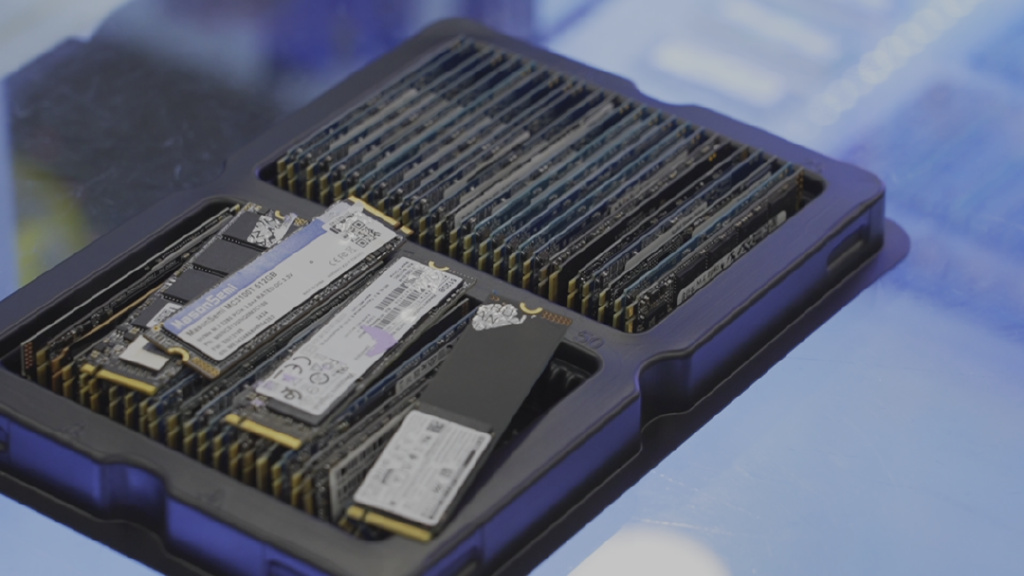
Spot SSD prices remained volatile this week with muted transaction activity and no major directional breakthroughs. Sellers of pulled‑used components attempted price hikes, yet insufficient downstream buying interest limited upward momentum. Meanwhile, large‑volume stock is still difficult to obtain from external channels.
Market sentiment toward the upcoming September back‑to‑school season is relatively cautious, and demand expectations trail previous years. Current purchasing mainly consists of small‑batch orders from e‑commerce platforms and industrial clients. Distributors show low willingness for large‑scale pre‑stocking.
This week’s indicative NVMe 3.0 quotations: only the 960 G capacity fell by roughly 1 %, while other capacities stayed flat. This week’s indicative NVMe 4.0 quotations: all capacities remained unchanged. This week’s indicative SATA 3.0 quotations: all capacities trended downward with declines between 2 % and 9 %.
DRAM Memory Market
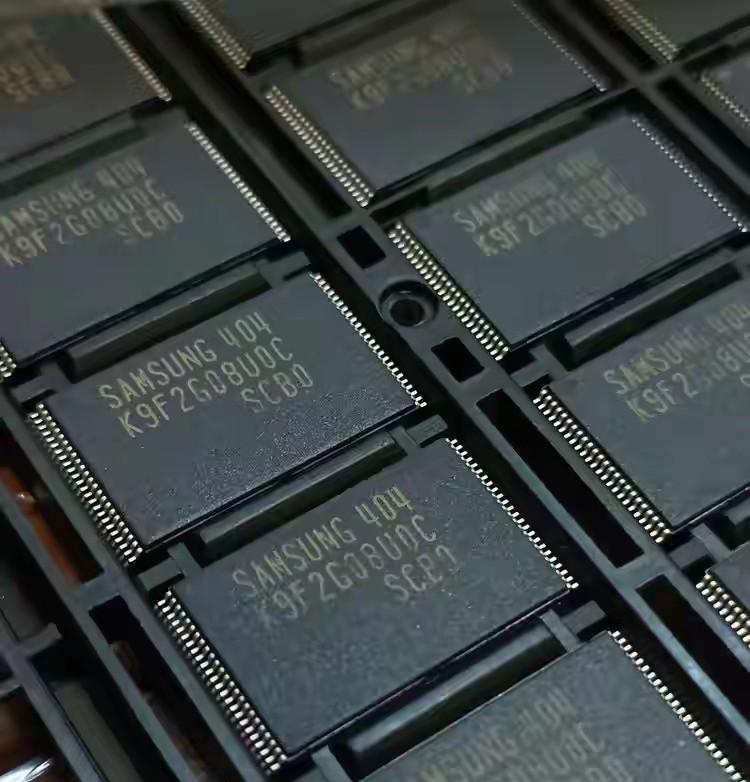
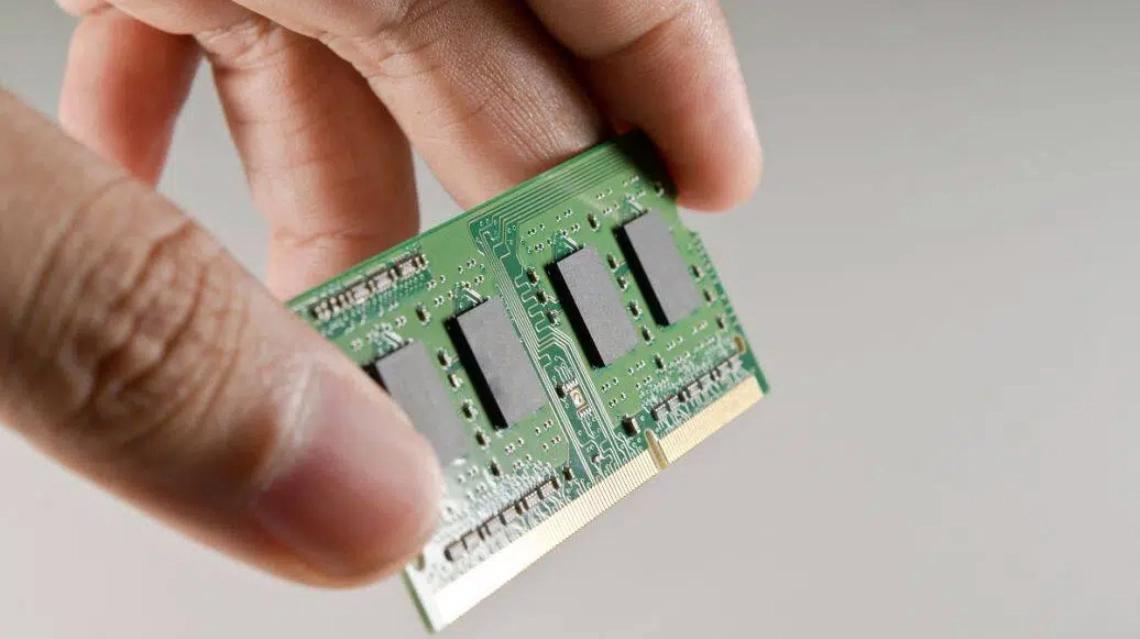
Spot‑market DRAM prices rose sharply this week. Original‑equipment manufacturers divert capacity toward HBM products, squeezing DDR4 supply. DDR5 availability is also tightly controlled, tightening spot‑particle circulation.
Market sources confirm extreme stock scarcity in Huaqiangbei. Many merchants hold inventory off‑market, aggravating supply‑demand imbalance and driving broad‑based price jumps. Both brand‑new and pulled‑used particles keep edging higher with no near‑term correction in sight.
Weekly OEM‑market DRAM quotations: ‑ DDR5: all capacities increased, ranging +8 % ~ +12 % ‑ DDR4: all capacities increased, ranging +5 % ~ +16 % ‑ DDR3: all capacities increased, ranging +3 % ~ +7 %
Flash Wafer Market
Flash‑wafer contract prices held steady this week. End‑customer demand showed no improvement, and no large‑scale spot dumping occurred.
Traders who built inventory at low costs late last year still maintain profit margins. By contrast, buyers who chased higher prices starting in March 2026 face book losses and are trapped between selling at a loss and holding stock. Faced with high component costs that cannot be fully passed downstream, module manufacturers adopt conservative procurement strategies and await clearer demand signals in September.
USB Market
Overall USB spot quotations stayed stable this week. Larger‑size UDP units offer limited negotiation room; adjustments are mostly transaction‑level discounts rather than formal price cuts. TF‑card spot prices remained flat. Weak consumer‑grade storage demand creates resistance against cost‑pass‑through, prompting cautious purchasing behaviour among downstream module factories and distributors.