
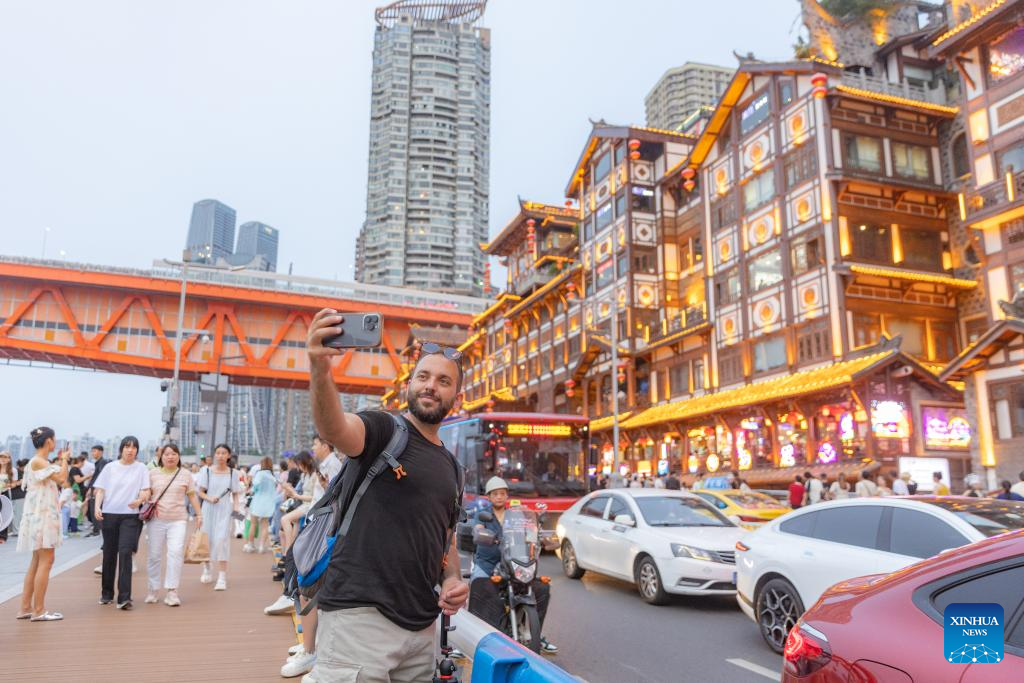
With the continuous optimization of China’s entry-exit policies and further opening-up, passport holders from 50 countries can now enter China visa-free for tourism, business trips, family visits, short-term exchanges, and transit purposes.

However, many foreign travelers and international corporate visitors frequently encounter entry issues due to policy misunderstandings. Common problems include confusing unilateral visa exemption with bilateral mutual visa exemption, miscalculating allowed stay duration, insufficient supporting documents, and inconsistent entry purposes. These mistakes often lead to boarding denials, border entry rejection, and negative immigration records.
Widespread misconceptions such as “visa-free entry guarantees entry approval”, “stay duration can be extended freely”, and “visa-free visitors can work or study in China” are the main causes of entry failures.
Based on the latest official regulations from the National Immigration Administration and the Ministry of Foreign Affairs, this article systematically sorts out the full rules of China’s 2026 visa-free entry policy, covering policy differences, eligible country lists, permitted purposes, required documents, prohibited activities, typical pitfalls, and transit rules.
1. Two Types of Visa-Free Policies You Must Distinguish
China currently implements two major visa exemption schemes with completely different legal effects, validity periods, and stability.
1.1 China’s Unilateral Visa Exemption (Most Widely Used)
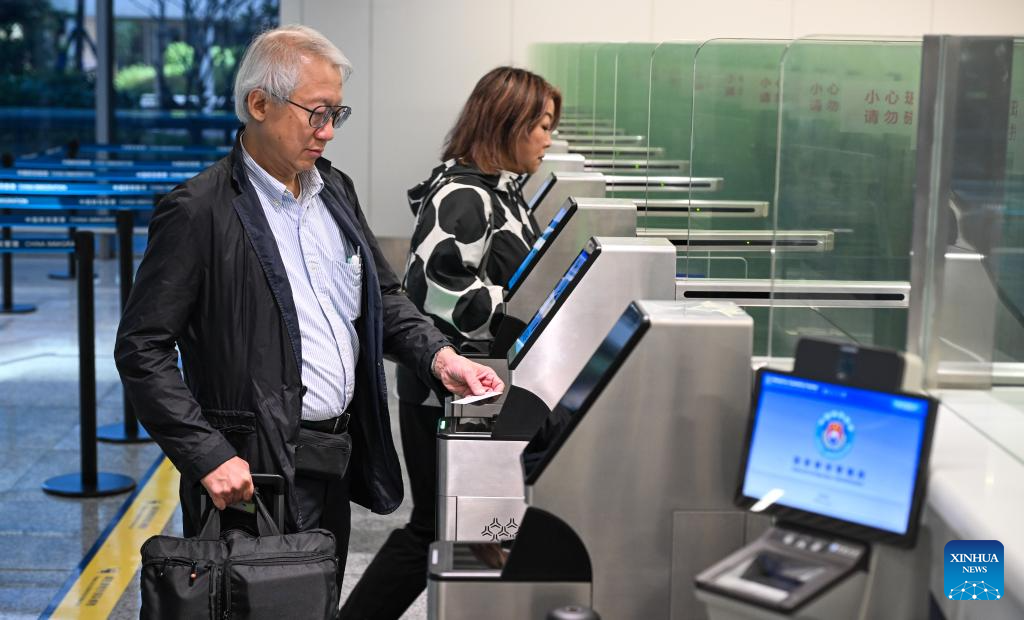
This is a preferential policy independently launched by China, requiring no reciprocal visa-free treatment from foreign governments. It applies exclusively to foreign nationals entering China and serves as the primary entry method for tourists and business travelers.
Core Rules: Ordinary passport holders can stay in China for a maximum of 30 days per entry for tourism, business, family visits, academic exchanges, and transit. The 30-day period starts from 00:00 on the day after entry.
Official Validity Period (2026 Latest Update):
- Brunei: Permanent, no expiration date
- Russia: Valid until September 14, 2026
- The remaining 46 countries: Valid until December 31, 2026 (subject to official renewal assessment)
Full List of 50 Eligible Countries by Region
✅ 35 European Countries: France, Germany, Italy, Spain, Netherlands, Switzerland, Ireland, Hungary, Austria, Belgium, Luxembourg, Poland, Portugal, Greece, Cyprus, Slovenia, Slovakia, Norway, Finland, Denmark, Iceland, Andorra, Monaco, Liechtenstein, Bulgaria, Romania, Croatia, Montenegro, North Macedonia, Malta, Estonia, Latvia, Russia, Sweden, United Kingdom
✅ 2 Oceanian Countries: Australia, New Zealand
✅ 7 Asian Countries: Brunei, Japan, South Korea, Saudi Arabia, Oman, Kuwait, Bahrain
✅ 6 American Countries: Canada, Brazil, Argentina, Chile, Peru, Uruguay
1.2 Bilateral Mutual Visa Exemption Agreement (Reciprocal & Long-Term Stable)

This policy is based on official bilateral treaties, allowing mutual visa-free entry for citizens of both contracting countries. It is not affected by short-term policy adjustments and features high stability. The permissible stay duration ranges from 15 to 90 days depending on specific bilateral agreements.
Representative Countries: Singapore, Thailand, UAE, Qatar, Serbia, Belarus, Maldives, Kazakhstan, Uzbekistan, etc.
Key Differences Between the Two Policies
✅ Unilateral Visa Exemption: Fixed valid term, adjustable upon expiration. It only waives visa application procedures; border inspection reserves the final right of entry approval.
✅ Bilateral Mutual Exemption: Protected by international treaties, long-term stable with minimal adjustment risks.
2. Permitted & Prohibited Purposes for Unilateral Visa-Free Entry
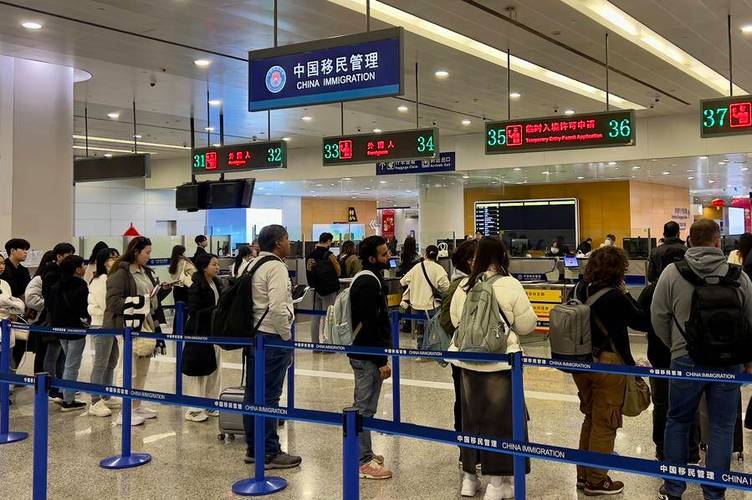
Visa-free entry is not an all-purpose pass. Strict compliance with permitted entry purposes is mandatory. Any violation will result in entry rejection and adverse immigration records.
✅ Permitted Entry Purposes
Tourism, family visits, business negotiations, exhibition and event participation, short-term study exchanges, and international transit, with a maximum stay of 30 days per entry.
❌ Strictly Prohibited Activities (Visa Required in Advance)
1. Any form of employment, part-time work, or internship in China;
2. Long-term academic study or enrollment in Chinese educational institutions;
3. News reporting, media shooting, and official journalistic activities;
4. Planned stay exceeding 30 days.
Important Reminder: Automatic stay extension is not allowed for visa-free entries. If you cannot depart on time due to illness or emergencies, you must apply for a temporary stay permit from local public security exit-entry bureaus. Overstay is strictly prohibited and will result in negative immigration records affecting future entry applications.
3. Mandatory Entry Requirements & Document Checklist
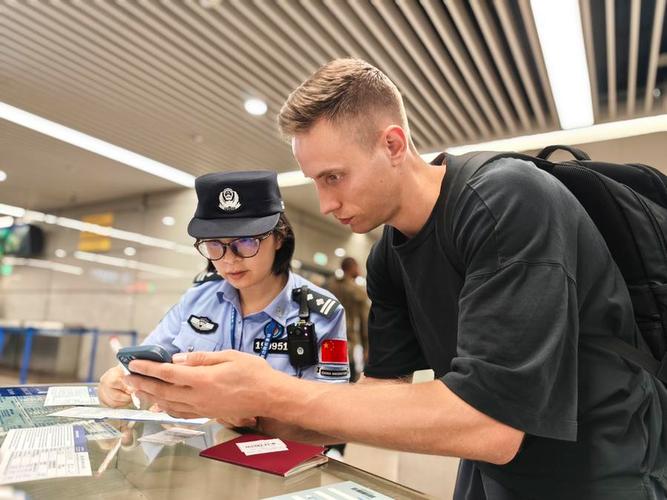
Visa exemption does not mean zero requirements. All the following conditions must be met for smooth entry:
1. Only ordinary passports are eligible. Travel documents, emergency temporary passports, and official passports do not qualify. Your passport must remain valid throughout your entire stay in China;
2. No advance application or declaration to Chinese embassies and consulates is required. You can book flights directly;
3. Mandatory supporting documents (highly recommended to carry): Round-trip or connecting flight itineraries, hotel reservation confirmations, business invitation letters, or family visit certification. Border officers verify entry purposes, and incomplete documents may lead to entry rejection;
4. No restriction on entry frequency (multiple entries allowed).Each entry has an independent 30-day stay limit with no cumulative extension;
5. All open land, air, and sea ports are accessible. No departure location restrictions; entry via third-country transit is permitted.
4. Top 5 Common Visa-Free Entry Misconceptions in 2026
Misconception 1: Visa-free entry guarantees entry approval
❌ Incorrect. Visa exemption only cancels visa application procedures, not entry inspections. Border authorities hold final approval rights. Entry may be denied for inconsistent entry purposes, insufficient documents, or poor immigration records.
Misconception 2: Stay duration can be extended casually
❌ Incorrect. The 30-day stay is a legal maximum with no automatic extension. Emergency extension applications require official approval, and overstay leads to severe penalties.
Misconception 3: US passport holders enjoy visa-free entry
❌ Incorrect. The United States is not included in China’s unilateral visa-free list. US citizens must apply for a visa in advance and only qualify for the 240-hour transit visa exemption (exclusively for third-country transit, not tourism).
Misconception 4: The 30-day stay counts from the entry date
❌ Incorrect. Official rule: The 30-day period starts at 00:00 on the day after entry. Example: Entry on August 1 allows departure no later than August 31.
Misconception 5: Visa-free visitors can work part-time in China
❌ Incorrect. Visa-free status does not authorize any paid work or internship. Violations result in fines, deportation, and permanent negative entry records.
5. Mandatory Procedures After Entry
1. Mandatory accommodation registration: Hotels will complete registration automatically. If staying with relatives or in private residences, you must register at the local police station within 24 hours of arrival (legal compulsory requirement);
2. Strictly abide by the 30-day stay limit and avoid overstay;
3. Visa-free visitors cannot apply for work permits or residence permits. Long-term residency, employment, or study requires corresponding pre-approved visas.
6. Supplement: 240-Hour Transit Visa Exemption Policy
China offers a 240-hour transit visa exemption for citizens of over 50 countries. Travelers with valid connecting flight tickets heading to a third country/region can stay in designated Chinese cities for up to 10 days.
⚠️ Strict restriction: Only for international transit. This policy cannot be used for pure tourism, family visits, or business travel. A valid onward ticket to a third destination is mandatory.
7. Final Summary (2026 Travel Checklist)
1. 50 countries qualify for China’s 30-day unilateral visa-free entry in 2026. Most policies expire on December 31, Russia’s policy expires on September 14, and Brunei’s policy is permanent;
2. Visa-free entry is limited to tourism, business, family visits, short-term exchanges, and transit. Work, long-term study, and media activities require official visas;
3. Visa exemption does not equal unconditional entry. Prepare round-trip tickets, hotel bookings, and supporting documents to avoid entry rejection;
4. Follow official stay rules and accommodation registration requirements strictly to avoid overstay and immigration penalties;
5. Utilize the 240-hour transit visa exemption reasonably for international transit and avoid policy misuse.