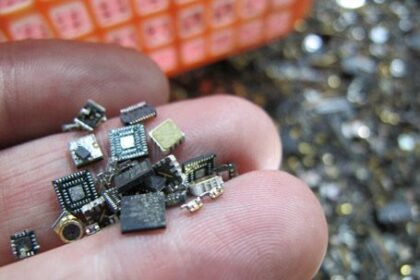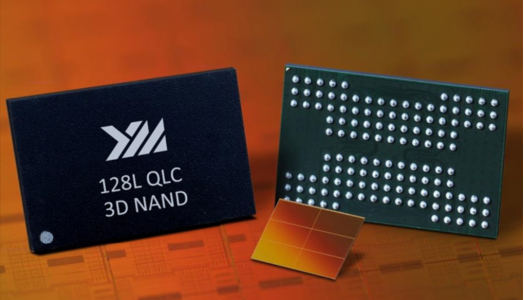
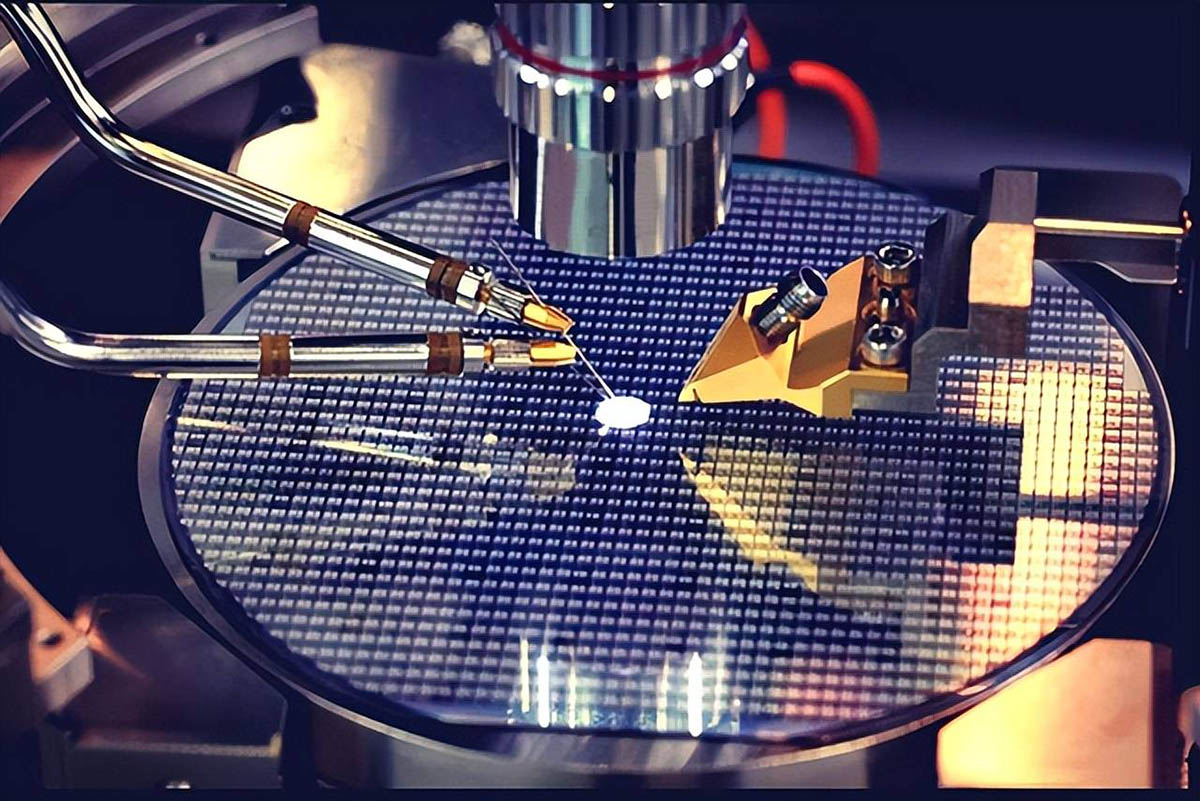
Most people focus on high-profile tech tracks such as semiconductors, chips, and lithography machines, while overlooking one of the most fundamental, largest, and indispensable industries — electronic component manufacturing.
If chips are the “brain” of electronic devices, electronic components serve as the bones, blood vessels, and joints of electronic systems. From smartphones and Bluetooth earphones to 5G base stations, servers, aerospace equipment, and new energy vehicles, all electronic signal transmission, circuit connection, and power regulation rely entirely on electronic components.
As a core fundamental manufacturing industry (Industry Code 397), it quietly underpins the overall strength of a country’s electronics sector. In 2025, China’s electronic component industry revenue exceeded 3 trillion RMB. China’s PCB output value accounts for more than 55% of the global total, and its production of resistors, capacitors, inductors, and connectors ranks first worldwide.
This article comprehensively explains the electronic component manufacturing industry in plain language, covering industry definitions, classifications, industrial chains, leading enterprises, industrial distribution, technical characteristics, and future trends.
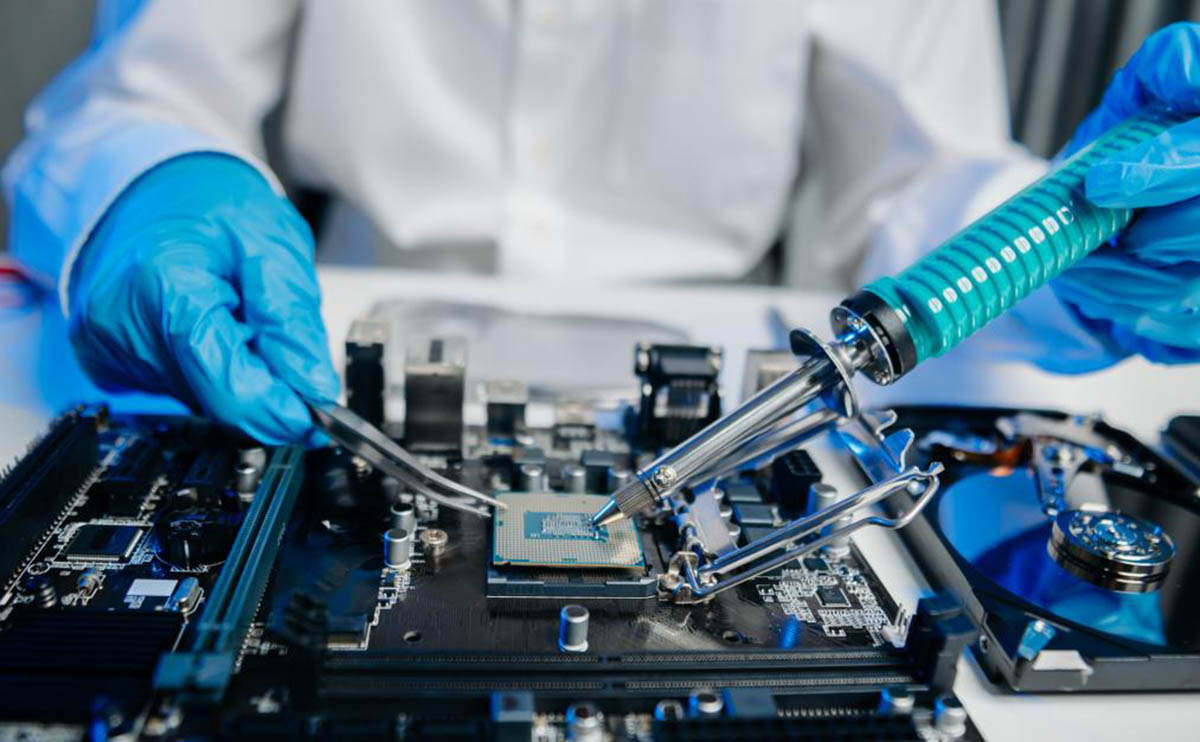
1. What Is Electronic Component Manufacturing? How Does It Differ From the Chip Industry?
According to China’s national industrial classification standard, electronic component manufacturing corresponds to Category 397, falling under the broader category of computer, communication, and other electronic equipment manufacturing.
Many people confuse electronic components with electronic devices (chips), but their functions are completely different:
- Electronic Devices (Category 396): Active semiconductor components that rely on PN junctions to perform computing, storage, and light-emitting functions. Typical products include CPUs, memory chips, and display panels — the well-known “chip track”.
- Electronic Components (Category 397): Passive basic units that do not perform logical operations. They only execute core physical functions: current limiting, energy storage, filtering, circuit connection, and circuit boarding. Typical products include resistors, capacitors, inductors, PCBs, connectors, and sensors.
In short: Chips “think”, while components “work and connect”. No high-end chip can function properly without qualified electronic components.
2. Seven Core Segments of Electronic Component Manufacturing
Industry Code 397 covers seven subcategories, forming a complete and fundamental global electronics supply chain:
2.1 Electronic Components & Assemblies (3971)
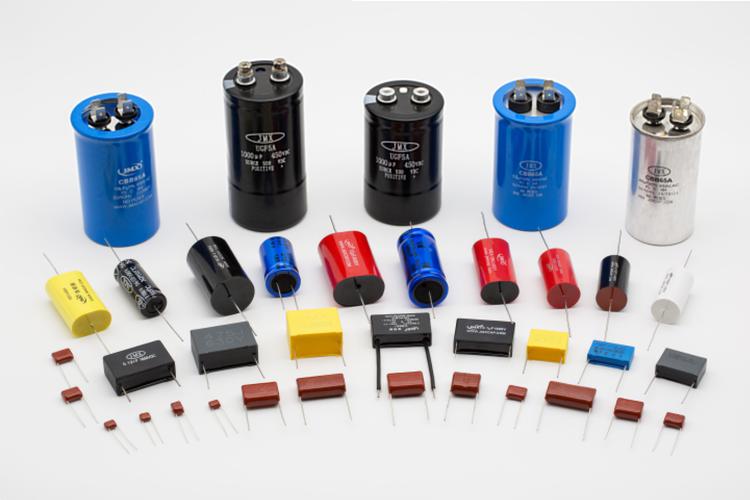
The most fundamental and high-volume segment, including resistors, capacitors, inductors, transformers, filters, and relays. These passive components stabilize voltage, filter signals, suppress noise, and regulate current, known as the “staple food” of the electronics industry.
MLCC (Multi-Layer Ceramic Capacitor) is the highest-volume electronic component globally. A single 5G smartphone requires over 1,000 MLCCs, while a new energy vehicle needs up to 20,000 units.
2.2 Printed Circuit Board Manufacturing (3972)
Known as the “mother of electronic products”, PCBs are the physical carrier and interconnection platform for all electronic components. The product portfolio includes rigid PCBs, flexible FPCs, rigid-flex boards, high-density interconnect (HDI) boards, and IC packaging substrates. All precision circuits for smartphones, servers, 5G base stations, and military equipment rely on PCB layer-to-layer interconnection and precision wiring.
2.3 Sensitive Components & Sensors (3973)
Covers thermistors, piezoresistors, photosensitive components, gas sensors, and MEMS sensors. Their core function is toconvert physical changes into electrical signals, serving as the data entry for smart hardware, industrial automation, and IoT systems.
2.4 Electronic Special Materials (3974)
The upstream foundation of the entire industry, including copper-clad laminates (CCL), copper foil, prepreg, electronic fiberglass, solder mask ink, and ceramic powder. These materials directly determine the precision, loss resistance, heat resistance, and stability of PCBs and components. High-end electronic materials have long been dominated by Japanese and American enterprises, with Chinese manufacturers accelerating breakthroughs in domestic substitution.
2.5 Electronic Measuring Instruments (3975)
Includes oscilloscopes, spectrum analyzers, LCR meters, and signal generators. These professional devices are essential for component production, debugging, and quality inspection, controlling product yield and precision performance.
2.6 Electronic Ceramic Devices (3976)
Utilizes the dielectric, piezoelectric, and insulating properties of ceramics to produce ceramic substrates, ceramic filters, resonators, and microwave ceramic components. These products provide core material support for high-frequency communication and precision electronic devices.
2.7 Other Electronic Components (3977)
Covers electronic wiring harnesses, fiber optic connectors, built-in antennas, and electromagnetic shielding materials, supporting auxiliary connection and protection for all types of electronic equipment.
3. Three Core Benchmark Products: Understanding Industrial Precision
3.1 MLCC: The “Rice” of the Electronics Industry
MLCCs are the most widely used electronic components worldwide, with annual shipments reaching trillions of units. The sophisticated manufacturing process involves stacking thousands of micron-scale ceramic dielectric layers and nickel internal electrodes, followed by high-temperature sintering to form a monolithic structure. Multi-layer parallel stacking greatly increases capacitance.
The industry trend focuses on extreme miniaturization. MLCC sizes have evolved to 01005 (0.1mm×0.05mm), nearly invisible to the naked eye, while achieving larger capacitance and higher stability.
3.2 PCB: The Foundation of All Electronic Systems
PCB manufacturing represents ultra-precision micro-nano processing. Through photolithography, etching, lamination, and micro-hole electroplating, precise circuit patterns are formed. High-end HDI boards and IC substrates adopt multi-layer stacking structures with micro-holes as small as 0.1mm and ultra-fine line widths, supporting high-density integration for supercomputers, servers, and flagship smartphones.
3.3 Connectors: Precision Joints of Electronic Devices
Although appearing as simple plugs and sockets, connectors are sophisticated mechatronic components. Composed of precision stamped terminals, electroplated coatings, elastic structures, and insulating plastics, they achieve milliohm-level low contact resistance and tens of thousands of insertion/extraction lifespans. High-speed server connectors require precise impedance matching and crosstalk suppression, presenting extremely high technical barriers.
4. Complete Industrial Chain: Upstream Materials, Midstream Precision Manufacturing, Downstream Scenarios
4.1 Upstream: Materials Determine Industry Ceiling
The core bottleneck for high-end electronic components lies not in processing technology but in fundamental materials. High-end nano barium titanate powder for MLCC, low-loss high-frequency copper-clad laminates, high-temperature resistant polyimide FPC materials, and advanced electronic ceramics are long dominated by Japanese and American brands. Chinese suppliers are rapidly advancing domestic substitution.
4.2 Midstream: Ultra-Precision Manufacturing
Midstream production demands strict micron and nanometer-level precision control. Key processes include uniform lamination and sintering of thousands of MLCC thin films, high-precision alignment and micro-hole plating for PCBs, and precision molding and electroplating for connectors. Tiny deviations will directly affect product yield and long-term reliability.
4.3 Downstream: Full-Scene Industrial Demand
Electronic components are indispensable across all industries, including consumer electronics, new energy vehicles, 5G communications, data centers, industrial control, aerospace, and medical devices. Products range from civilian room-temperature-grade components to military-grade devices operating stably under extreme temperatures of -55℃ to +300℃.
5. Six Leading Chinese Enterprises: Core Forces for Domestic Substitution
5.1 Pengding Holdings: Global PCB Leader
Ranked No.1 globally by PCB revenue and a core supplier to Apple. It specializes in high-end HDI boards, flexible FPCs, and SLP substrates, dominating the high-end consumer electronics PCB market with strong manufacturing and customer barriers.
5.2 Fenghua Hi-Tech: Domestic MLCC Benchmark
China’s largest manufacturer of multi-layer ceramic capacitors. It produces full-spec miniaturized and vehicle-grade MLCCs, breaking through core technologies such as ceramic powder formulation and nickel electrode co-firing. Its products continuously replace Japanese and Korean imports and secure China’s supply chain stability for consumer and automotive electronics.
5.3 Shennan Circuits: High-End PCB & IC Substrate Pioneer
Specializes in high-frequency high-speed PCBs for 5G base stations, server backplanes, and semiconductor IC packaging substrates. As one of the few Chinese manufacturers capable of mass-producing high-end IC substrates, it deeply cooperates with Huawei and ZTE, occupying a key position in advanced packaging.
5.4 Sanhuan Group: Electronic Ceramics Hidden Champion
Controls over 70% of the global market for optical fiber ceramic ferrules, achieving absolute global monopoly. With decades of accumulated expertise in electronic ceramics, the company has aggressively expanded into the MLCC sector to fill domestic gaps in ceramic component production.
5.5 Luxshare Precision: Top Connector Manufacturer
Starting from precision connectors and wiring harnesses, Luxshare masters independent R&D capabilities in stamping, electroplating, injection molding, and automated assembly. Its high-end connectors are widely used in consumer electronics, automotive, and communication equipment, evolving from basic component manufacturing to system integration.
5.6 Sunlord Electronics: Domestic Inductor Leader
China’s largest chip inductor manufacturer. Its high-frequency inductors reach international advanced standards, widely adopted in 5G RF circuits, base stations, and consumer electronics, successfully replacing imported products from TDK and Murata.
6. Industrial Cluster Distribution: Three Major Manufacturing Belts in China
- Pearl River Delta (Core Hub): Shenzhen, Dongguan, Huizhou, and Zhuhai host top enterprises including Pengding, Shennan, Fenghua, Sunlord, and Luxshare. This region forms the world’s largest PCB and passive component manufacturing cluster with complete industrial supporting systems.
- Yangtze River Delta (High-End Manufacturing Hub): Suzhou, Kunshan, and Shanghai gather numerous Taiwanese and foreign high-end PCB and material enterprises, with mature CCL and high-end substrate supply chains focused on precision high-end manufacturing.
- Central & Western China (Capacity Transfer Hub): Jiangxi, Hubei, and Sichuan undertake industrial transfer from coastal regions, focusing on mass production of mid-to-low-end PCBs and electronic components with prominent cost advantages.
7. Core Technical Characteristics & Cutting-Edge Industry Trends
7.1 Core Technical Features
Industry competition focuses on four key dimensions: material refinement, product miniaturization, low signal loss, and high operational reliability. Product standards are upgraded hierarchically from consumer grade to industrial grade, automotive grade, and aerospace military grade, with enhanced resistance to high temperature, vibration, corrosion, and signal crosstalk.
7.2 Five Frontier Future Trends
- IC Substrates & Advanced Packaging: Chiplet and 3D packaging drive explosive demand for high-end IC substrates, becoming the highest-threshold and fastest-growing segment in the PCB industry.
- Flexible & Stretchable Electronics: Elastic substrates and liquid metal circuits enable wearable devices, electronic skin, and soft robotics with flexible and deformable circuit performance.
- 3D Printed Electronics: Micro-precision circuit printing eliminates traditional etching and drilling processes, supporting rapid R&D and mass production of curved and special-shaped electronic devices.
- Embedded Passive Integration: Resistors, capacitors, and inductors are embedded directly inside PCB layers, greatly improving equipment integration and operational stability.
- Silicon Photonic Co-Packaging: Optoelectronic devices and substrates are highly integrated to break the physical limits of traditional electrical signal transmission, meeting ultra-high bandwidth demands for next-generation data centers.
8. Industry Summary: Large Scale yet Developing, but a Core Foundation for Domestic Substitution
China ranks first globally in electronic component production capacity, output, and export volume. However, it still relies on imports for high-end materials, ultra-precision processing technologies, and core equipment, presenting a pattern of “large but not strong”.
Driven by domestic supply chain policies and continuous technological iteration, domestic substitution in high-end MLCCs, high-frequency PCBs, precision connectors, and electronic ceramics is accelerating rapidly.
Behind the prosperous semiconductor and consumer electronics industries lies the silent yet powerful electronic component manufacturing sector. As the invisible cornerstone of China’s electronic information industry, it represents one of the most stable and essential upgrading tracks for hardware manufacturing in the coming years.