In China, 889 million people own mobile phones. This astonishing number has undoubtedly made China rank first in the world in terms of mobile phone users.Chinese people replace their phones every 15 months on average, yet most old phones are simply discarded, with only 1% of them being recycled.
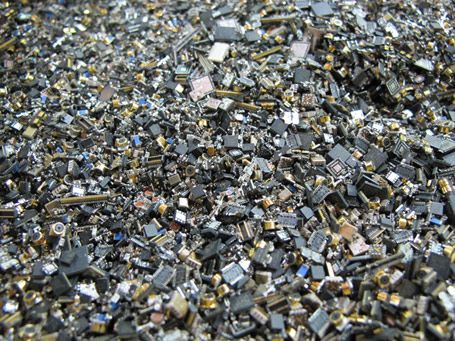
Once discarded, waste mobile phones, phone batteries and charging equipment contain large amounts of harmful substances such as nickel and cobalt, which can cause severe pollution to water and soil. They will also generate hundreds of thousands of tons of electronic waste, inevitably triggering a huge disposal crisis. The scale of pollution is far greater than that of other waste electronic products such as old computers and color TVs. How to recycle and dispose of them has become a major environmental issue facing China.
To change this situation of resource waste, Nokia launched a program called “Green Box” in 2005. It placed collection boxes for recycling old mobile phones in more than 700 Nokia customer service centers and specialty stores in over 300 cities. However, the number of recycled mobile phones remained very small. So where did the rest of the discarded phones end up?
Here he witnessed the scene of mobile phones being traded as raw materials.
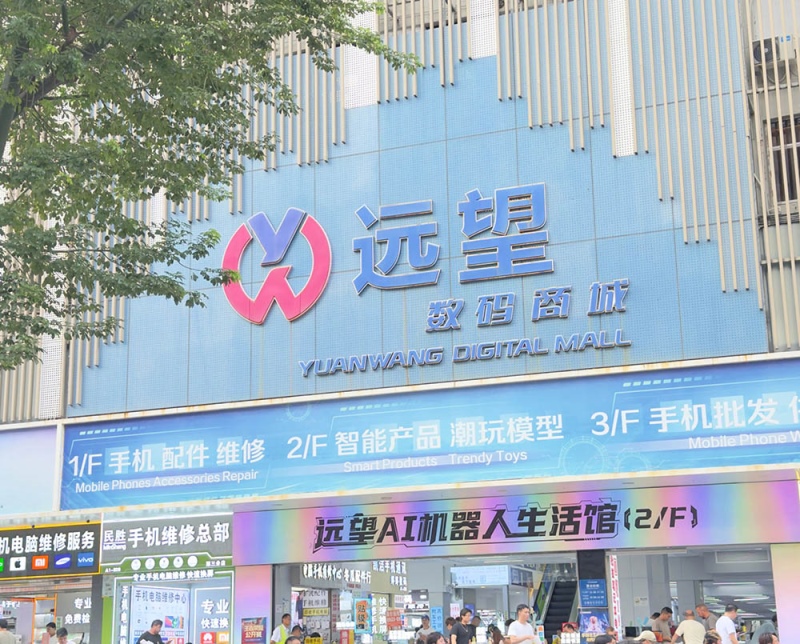
In a hidden corner of the Huaqiangbei commercial area stand two tall buildings, where people are mainly engaged in mobile phone recycling. An entrepreneur told me that he buys these phones in bulk from a wholesaler, who mainly collects waste mobile phones from landfills in Hong Kong and another major Asian city.
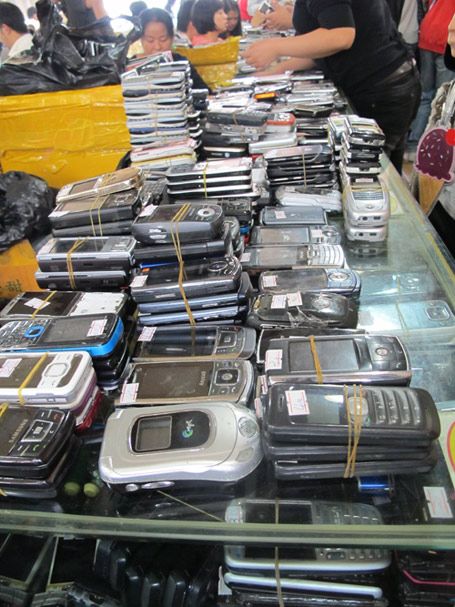
Outside the building, I saw a man sorting out large bags of mobile phone chips. I didn’t know what he was trying to do, but I guessed someone wanted to buy phones and he was looking for matching chips.
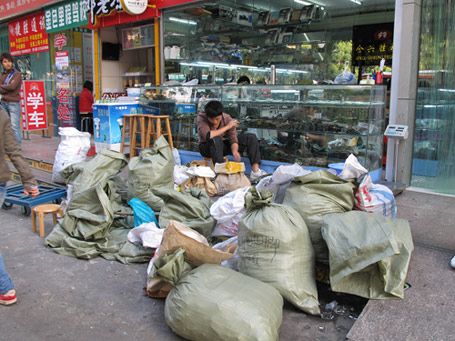
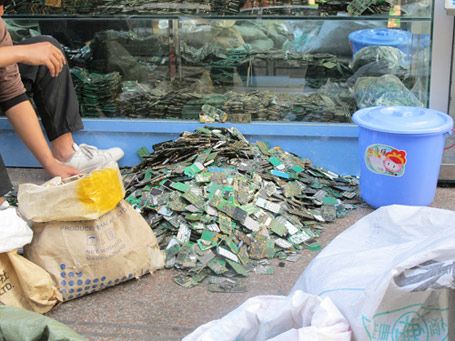
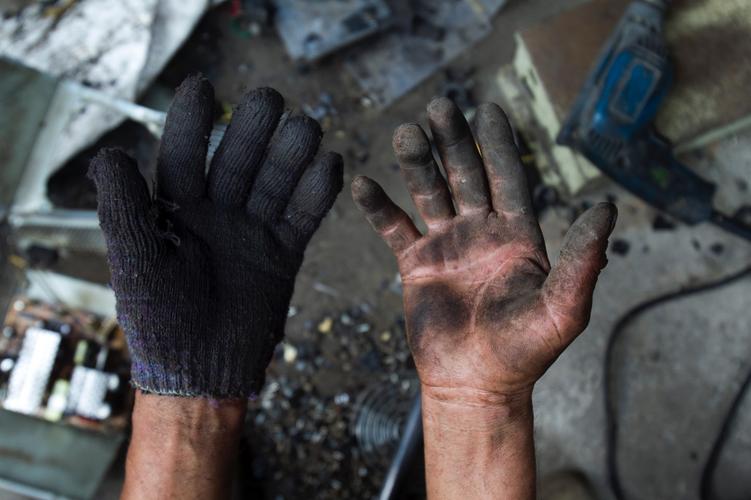
The plastic casings of discarded mobile phones are also taken apart. Although not much profit can be made from these shells, cheap labor costs in China make it profitable to hire workers to remove the metal parts from the plastic housings.
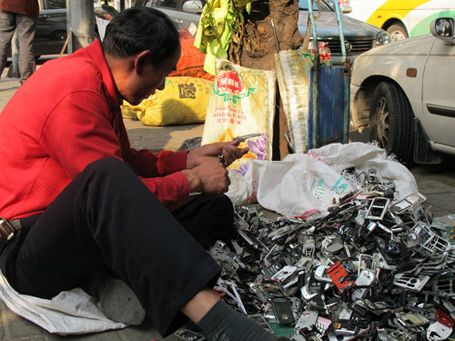
Afterwards, workers will remove the components from the chips, then sort, organize and classify them.
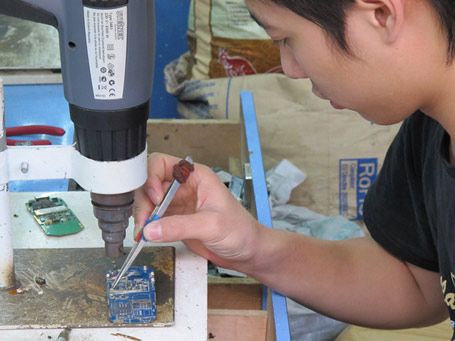

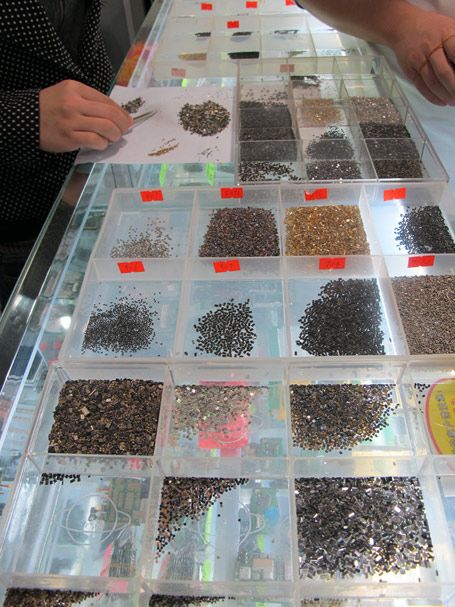
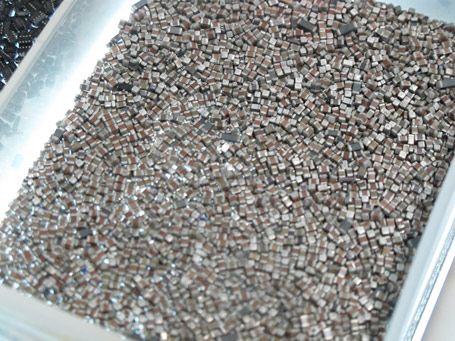
Next, they clean the flux and solder from the component pins and sort them further. For many shops engaged in phone refurbishment, this is the most critical step. Somewhat unexpectedly, this work is mostly done by young women.
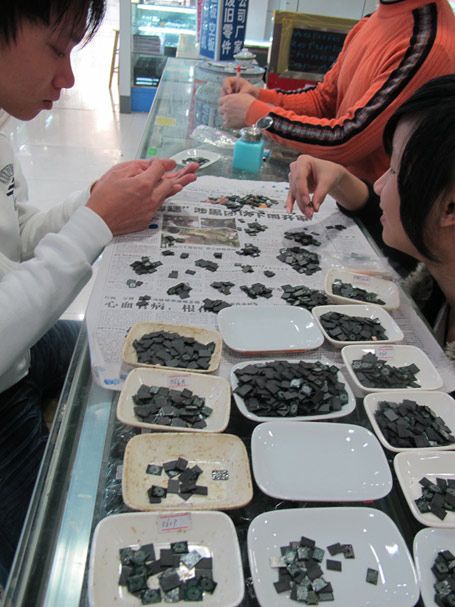
Some components are too small, so they can only be handled with tweezers.
Here is the full, natural English translation in paragraph form:
China’s dedication to e-waste recycling is truly astonishing, while many other countries remain indifferent. Some believe this effort deserves applause, yet others doubt its authenticity. Anyone with a critical mind would ask: What exactly happens to all these recycled components? Although some netizens explained in comments that Huaqiangbei is a major second-hand mobile phone market, it still couldn’t overshadow the widespread admiration for China online.
However, refurbishing and reselling old mobile phones is never an ideal long-term solution. During the refurbishment process, worthless parts and casings are often discarded casually. Some unregulated workshops extract precious metals in open air and directly dump toxic residue, causing serious secondary environmental pollution.
Since 2011, China has officially enforced the Regulations on the Administration of the Recycling and Treatment of Waste Electrical and Electronic Products, covering refrigerators, televisions, washing machines, air conditioners and computers — but mobile phones are not yet included. The proper disposal of waste mobile phones urgently requires policy support.
China should establish a comprehensive waste mobile phone recycling system involving the government, society and enterprises, developing both “manufacturer-operator” and municipal recycling models. Relevant laws and regulations should clearly define prohibited activities during the recycling and treatment of waste mobile phones and accessories, as well as the corresponding legal liabilities.
Meanwhile, the government should support qualified, eco-friendly e-waste recycling enterprises through favorable policies and tax incentives. Major mobile phone manufacturers and related businesses should also be encouraged to jointly fund and establish specialized companies dedicated to mobile phone recycling and treatment.
Electronic Component Recycling Service
We are a professional IC recycling platform in Shenzhen, offering one-stop solutions for IC chip recycling, electronic component recycling, obsolete electronic parts recycling and stock slow-moving material recycling. We buy all kinds of electronic components including integrated circuits, CPU chips, GPU chips, capacitors, resistors, inductors, memory chips and diodes, cooperating with top brands like TI, MICROCHIP, INTEL and ON Semiconductor.
Our services solve stock backlog, capital stagnation and warehouse occupation problems, with professional price evaluation and efficient recycling process. We also provide channel sharing for unsold stock. With 20 years of industry experience, strong capital strength and strict environmental protection processing, we ensure high-value realization of your electronic waste and stock components. Choose us for reliable e-waste recycling and green resource reuse!