
The startup world was recently abuzz with breaking news from Shenzhen’s Huaqiangbei: 12 dedicated One-Person Company (OPC) Incubation Bases have officially launched, with full government backing and integrated supply chain support covering everything from business registration to daily operations. Social media is buzzing: “A golden era for indie developers!” “Running a company is now effortless—even as a solo founder.”
But let’s pause and ask honestly: Are you truly ready?
I’m not here to discourage you. I simply don’t want you to repeat the costly mistakes I once made—mistakes that left me in debt, sleepless, and nearly ready to abandon entrepreneurship entirely.
From “Copycat Capital” to Global Startup Hub: Huaqiangbei’s Transformation Signals a Global Shift
For many, Huaqiangbei remains synonymous with cheap knockoff electronics and mass-produced gadgets. A decade ago, this district was the global hub for budget electronics, where every component for a smartphone could be sourced in a single street—raw, unpolished, but ruthlessly efficient.
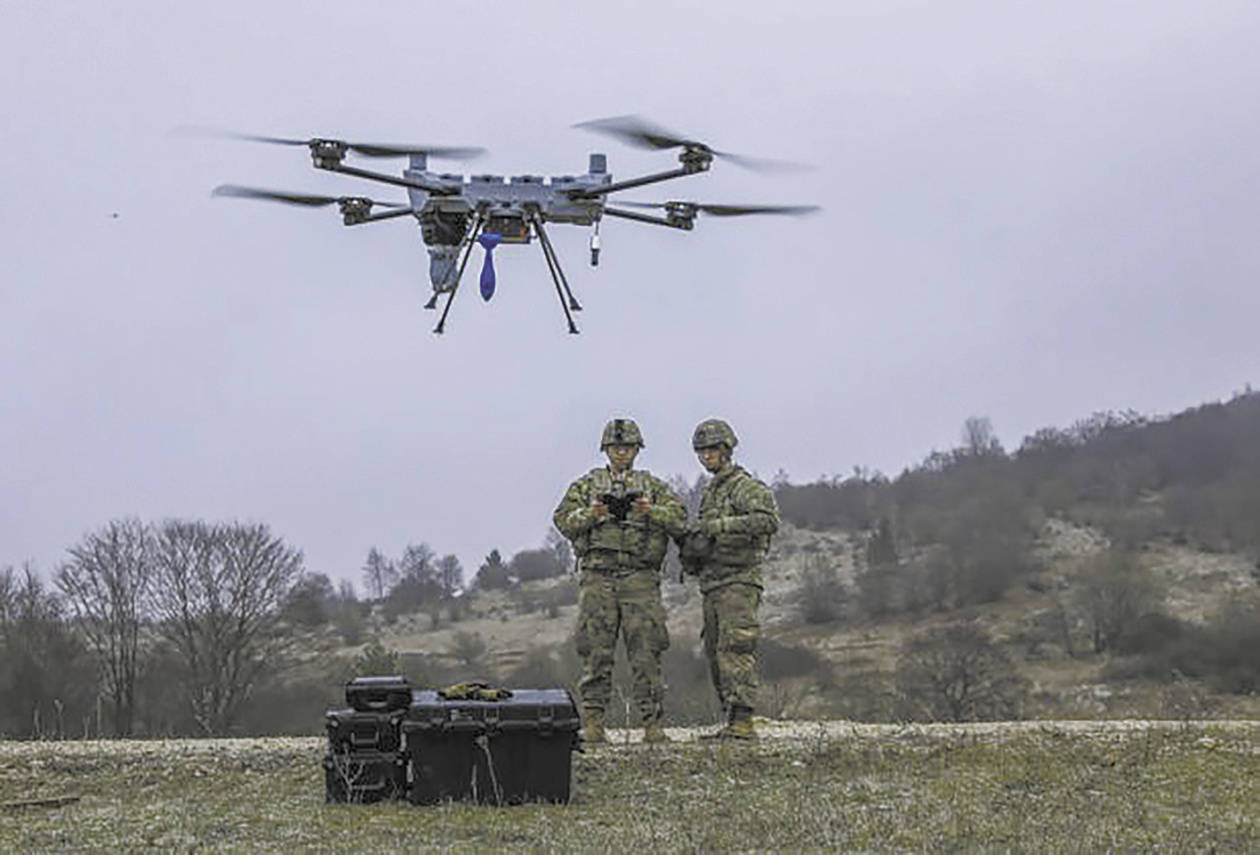
Fast forward to 2026, and Huaqiangbei has been reborn. Street stalls still line the blocks, but the products have evolved dramatically: commercial drones, cross-border payment hardware, AI eyewear, precision sensors, and even edge-computing solutions built from distilled large language models, packaged as hardware for global markets.
Its legendary supply chain hasn’t vanished—it has simply upgraded. These 12 OPC bases represent the fusion of Huaqiangbei’s decades of hardware manufacturing expertise with Shenzhen’s latest business, tax, and regulatory policies, wrapped into a one-click startup package.
As a solo entrepreneur, you can move in ready-to-go: business licenses, dedicated workspaces, supply chain matching, cross-border logistics, and even legal counsel are all available on demand. This is the natural extension of global policies supporting micro-entrepreneurship seen since 2024–2025: simplified liability structures, lower tax barriers, and smoother cross-border settlement channels, all designed to empower independent creators worldwide.
The policies are real, the support is genuine—but a hard truth remains: Will these alone let you build profitable, globally competitive products as a one-person team? The answer is far from simple.
One-Person Companies: Golden Age or Dangerous Illusion?
To be direct:
For those with solid product skills and a clear market vision, this is the best era in history to launch a business.
For those without direction or core competitiveness, it could be the easiest way to fall into debt.
OPCs shine for their ultra-low sunk costs and high leverage. No large office leases, no full-time teams—failure often means little more than a few months’ registration fees, with trial-and-error costs minimized.
But lower barriers also mean a flood of competitors. When anyone can register a company at near-zero cost, the business license itself loses its competitive edge.
What truly matters has never been a piece of paper, but three critical questions:
- What real market demand are you solving?
- What defensible moat protects your product from being copied?
- Where will your users and traffic come from?
I’ve watched countless entrepreneurs rush in, register a company hastily, spend months researching supply chains, only to hit a wall: products built, but no buyers. The biggest enemy of indie developers is rarely weak technical skills—it’s the lack of a clear, proven path to monetization.
Three Failed Ventures, Heavy Debt: The Hard Truth I Finally Learned in 2025
Let me speak from experience. My third startup, a community O2O project, began with good intentions but ended in collapse and serious debt.
Those were my darkest days: sleepless nights filled with spreadsheets and unfulfilled contracts; a lifelong runner who no longer had the energy to lace up shoes, let alone face the outside world.
Looking back, my fatal error was using enterprise-scale thinking for a small, agile business. MBA frameworks taught team management, fundraising, and scaling—but I never validated product-market fit before hiring, raising capital, and expanding. I fired first, aimed later; failure was inevitable.
Everything changed in 2025, when I dived into AI-powered coding for global markets. With tools like Cursor, Claude, and GitHub Copilot maturing rapidly, I realized: what required a 10-person team five years ago can now be accomplished by a single indie developer.
I shifted strategy: using AI to build minimal viable products (MVPs) quickly, avoiding unnecessary spending, skipping premature team-building, and validating ideas step by step. Slowly, I regained control of my entrepreneurial journey. True solo entrepreneurship doesn’t need unlimited resources—it needs a validated product idea, strong execution, and a focused environment to create. And Huaqiangbei’s OPC bases deliver exactly that.
Why Now Is the Perfect Time to Enter (In This Order)
This isn’t blind hype—conditions have never been more favorable for indie developers, but you must understand the logic in sequence:
- Mature AI ToolchainAI coding tools have boosted productivity by 5–10x. An MVP that took three months to build in 2023 can now be finished in a week. Tools are nearly free; your time is priceless. Skip repetitive coding and focus on core creativity.
- Global Infrastructure ReadyStripe, PayPal, and global digital payment systems let you collect revenue worldwide as an individual. Cross-border logistics, AI-powered 24/7 customer support, and professional compliance services remove operational friction. You don’t need to be a jack-of-all-trades—lean on experts for your weaknesses.
- Fragmenting Global Markets, Not ShrinkingThe global market is vast. Even hyper-niche demands can support a sustainable one-person business. With AI, you can validate needs and iterate products faster than ever to reach your target audience.
A critical warning: favorable timing does not mean everyone should rush in. Blindly following trends will only lead to repeated failure.
3 Practical Tips for Aspiring Solo Founders (Avoid My Mistakes)
Drawing from three failed startups, here’s actionable advice to skip the pitfalls:
- Mistake 1: Register first, plan laterNever start a company before finalizing your product direction. Build a prototype (even a simple Notion demo), get real user feedback, and validate demand first. My first startup wasted time and money because I registered too early and kept pivoting.
- Mistake 2: Trying to learn everything yourselfIn the AI era, you don’t need to master Python, Java, or React to build products. Use AI to execute 80% of your vision, and outsource the remaining 20% to professionals. This doubles efficiency and eliminates unnecessary frustration.
- Mistake 3: Underestimating traffic and operations99% of indie startups fail because they build products no one uses. Embed traffic thinking from day one: Where are your users? How will you reach them? How will you get your first 100 customers? Without an audience, even the best product is just a personal project.
A Hard Question to End With

Huaqiangbei’s 12 OPC bases offer policy support, supply chain power, and cutting-edge AI tools—all the pieces are in place.
But ask yourself:
Why now? Why didn’t these dedicated solo-founder hubs exist years ago?
Because back then, the tools were immature, cross-border channels blocked, and compliance costs too high. Good ideas simply couldn’t scale. Today, those barriers are gone—but this window of opportunity won’t stay open forever.
As more founders enter the space, competition will intensify. As supply chains commoditize, profit margins will shrink.
So be honest:
What is your core competitive advantage?
When will you step into the global market?
Let’s discuss in the comments.