The presale of iPhone 18 crashed Apple’s official website within six minutes. Merchants in Huaqiangbei are ready to speculate on prices but reluctant to hold large inventories. The profit from the launch premium essentially comes from the time gap. Three groups of buyers need to think carefully before the official release on September 18: those chasing the first batch, those trading in old devices, and those waiting for price drops.

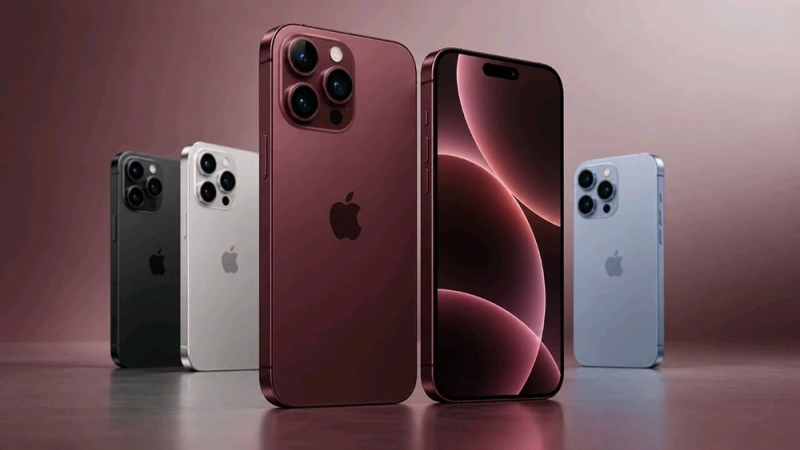
At 8 p.m. on September 12, pre-orders for the iPhone 18 Pro series went live. Apple’s official website and the Apple Store app were nearly inaccessible in the first few minutes. Many users could only enter the booking page six minutes later. Orders with launch-day delivery or in-store pickup slots sold out quickly, and Glacier Blue and Burgundy Red, the new color options, soon showed out-of-stock status for popular storage variants.
The topic went viral on September 14. Some people dislike the new colors, while others put it plainly: “If you don’t pick these colors, how will anyone know you upgraded to the new model?”
Premiums have already appeared on third-party platforms. The iPhone 18 Pro Max sees the steepest markup, with some popular configurations selling for as much as one or two thousand yuan above the official price. The iPhone 18 Pro commands a milder premium, usually only a few hundred yuan. The highest markups are reserved for the brand-new finishes: Glacier Blue and Burgundy Red carry far higher premiums than classic black and silver.
Judging purely from online buzz, the new phone seems to be another sell-out hit. But the picture looks different from the distribution channels in Huaqiangbei.

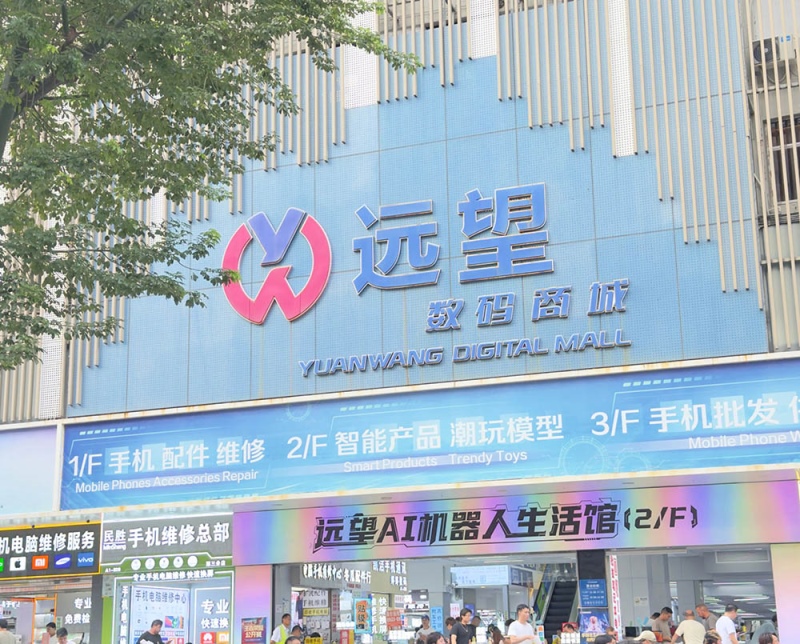
Merchants are willing to buy devices at marked-up prices, yet few dare to stock large quantities. Inquiries have surged among Huaqiangbei and nationwide Apple reseller groups after the keynote. Many merchants have set aside substantial capital to capture the launch-period premium.
“Willing to speculate” does not equal “willing to stockpile.” Most Huaqiangbei Apple vendors are ready to take the first batch of shipments, but they prefer fast turnover. The launch window is where new iPhones command the highest value. Limited initial supply paired with strong demand for early access pushes up prices. Once shipments ramp up, premiums can evaporate fast. A unit that fetches an extra one or two thousand yuan today may see its premium shrink sharply within just a few days.
Huaqiangbei merchants are not betting that the iPhone 18 Pro will stay in permanent short supply. They are betting on the time gap of the first batch. Whoever gets the stock earliest pockets the profit. Whoever holds inventory too long bears the biggest risk.
First, supplies are tight for the first batch, but shipments will gradually increase. Apple skipped the standard iPhone 18 this year, concentrating all consumer demand on the Pro lineup, which intensifies pressure on initial supply. However, Apple’s supply chain has strong replenishment capabilities. Based on past new-release cycles, once production scales up, the extreme launch premium usually fades. Merchants only chase the premium of the first batch instead of long-term shortages.
Second, price gaps exist between mainland China, Hong Kong versions and other channels. Huaqiangbei resellers look beyond Apple’s official retail price. Price discrepancies vary by region, storage capacity, colorway and sales channel. If domestic prices spike too high, stock from other markets will flow in and flatten the price quickly. That explains why many merchants accept incoming orders but refuse to tie up large capital in long-term inventory.
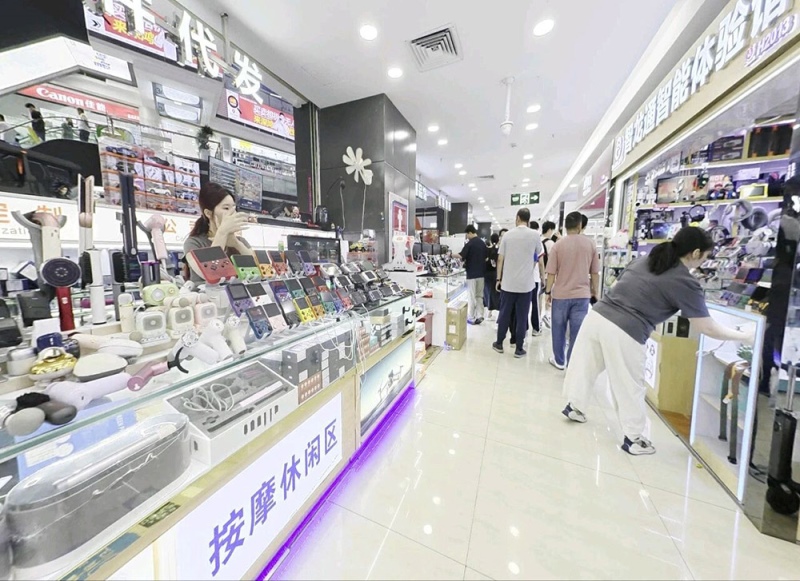
While new-phone hype builds up, the used-phone market in Huaqiangbei is also heating up. Not for selling new devices, but buying trade-ins. Every year around Apple’s new launch, resale prices for old iPhones swing wildly. Right now, trade-in quotes for iPhone 17 Pro, 17 Pro Max and older 16 Pro models fluctuate by the hour. A quote valid in the morning may change by the afternoon. Many users plan to sell their old handsets to upgrade, flooding the second-hand market. More inventory held by recyclers naturally pulls down prices. After the official launch on September 18, when large volumes of new units arrive to buyers, the used-phone market will face another round of adjustments.
Meanwhile, the iPhone 17 Pro series has been removed from Apple’s official store, though some offline retailers still hold leftover stock. A notable shift this year: older generations have not seen immediate sharp price cuts after the new keynote, unlike previous years. This comes partly from Apple’s streamlined product lineup and rising memory chip costs. The old rule — “wait for the keynote and the previous generation gets cheaper” — may no longer fully apply this year.
Three groups to consider before September 18 release
- Those chasing the first batch The official release date is September 18. The hottest picks remain new colorways and popular storage sizes. Securing an order at official retail price is the best deal. But if you plan to buy at a premium, understand what you are paying extra for: not better hardware, but the privilege of getting the phone days earlier. The higher the launch markup, the greater the risk of price falls later.
- Those selling old phones to upgrade Trade-in prices shift rapidly these days. If you are determined to upgrade to the 18 Pro, compare quotes from multiple recyclers early. Do not wait until launch day to start checking prices. When large numbers of users sell old devices at the same time, the whole market’s trade-in rate trends downward. The collective market movement matters more than a minor difference of tens of yuan per unit.
- Patient buyers waiting for discounts There is no need to chase the high launch premium if you are not desperate for early access. Huaqiangbei Apple dealers have long observed a consistent pattern: new phones are priciest when everyone rushes to buy. In the initial stage, competition centers on stock availability. Once production stabilizes, pricing returns to normal market levels.
What truly deserves monitoring this year is not the peak speculative price of the iPhone 18 Pro at launch, but how long this high price can hold.
From Huaqiangbei’s perspective, the market logic is straightforward. Merchants dare to speculate because buyers are willing to pay extra for early stock. But they hesitate to hoard inventory in bulk, as all channel players know: the launch premium is essentially profit from a temporary time gap. Scarcity of the first batch drives prices up fast. Yet once mass shipments enter the market, prices can collapse faster than expected.
Disclaimer: This is merely an observation of channel market conditions and does not constitute purchasing or inventory investment advice.