To gain hands-on experience at the grassroots level, my company recently arranged for us office workers to spend a whole week working as factory floor operators at a well-known wiring harness factory.
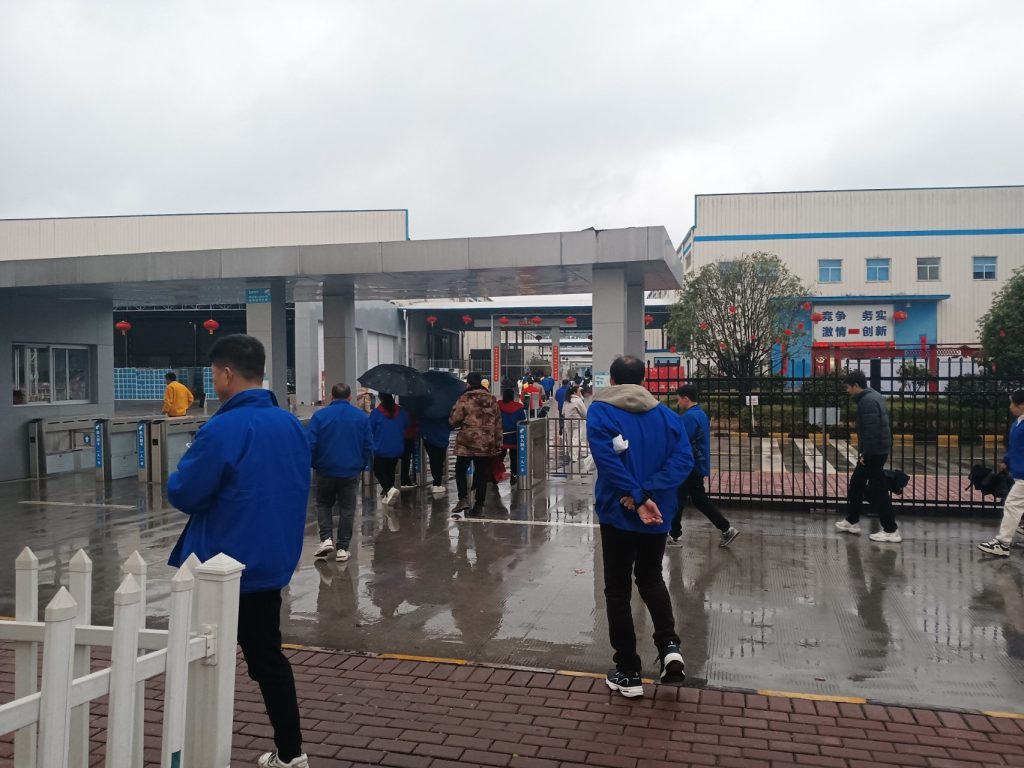
I was really excited before we started. Staring at a computer screen typing away all day, and sometimes stressing over endless plan revisions, I’d always thought assembly line work was simple and refreshing. Getting to switch things up and do some manual labor felt like a paid break.
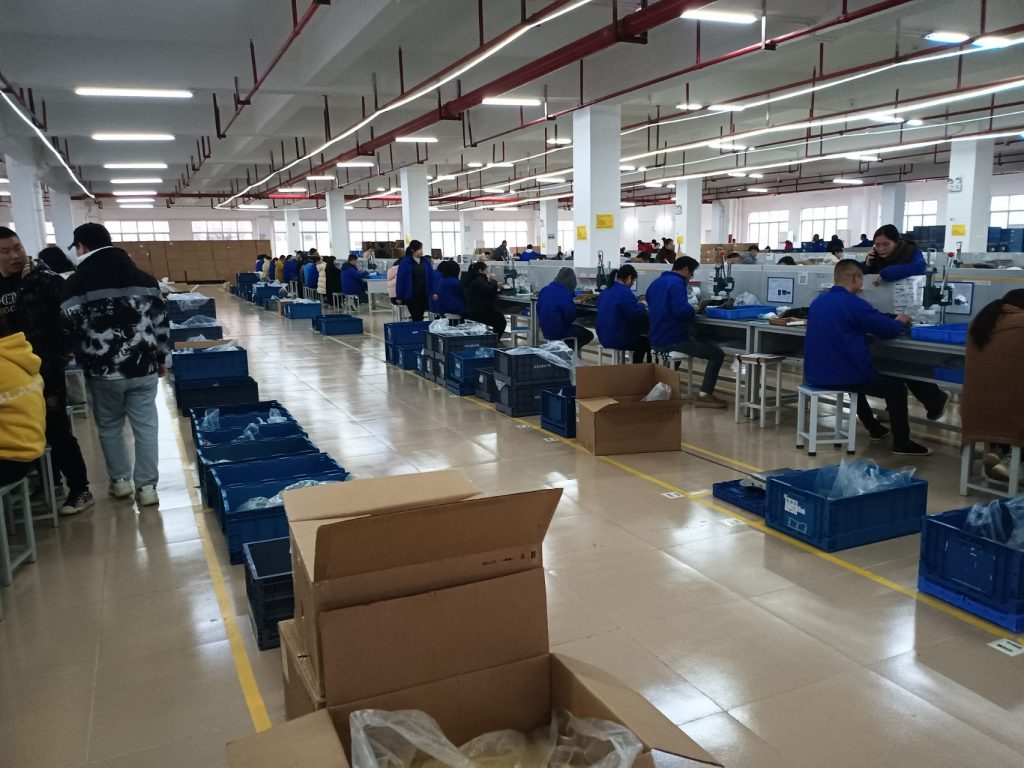
Our schedule was fixed rigidly: clock in at 8 a.m., knock off at 12 p.m., followed by a strict one-hour lunch break. Then it was back to work from 1 p.m. to 5 p.m. We were assigned to the assembly workshop, where we did basic general labor tasks—sticking foam pads, inserting wiring terminals, tightening screws. The process was so straightforward that even a middle school student could master it in no time.
I’d expected it to be a piece of cake, but after just a few days, reality hit me hard. The stark differences between my expectations and the actual experience have stuck with me ever since.
First came the work intensity shock. I’d imagined assembly line work was just mindless repetitive hand movements, but it turned out we had to stand all day long, barely getting a chance to sit down. The conveyor belt kept churning nonstop, with semi-finished products rolling in one after another, and the workers downstream were counting on us to keep up. There was zero room for slacking off. We had to match our hand movements to the line’s pace, keeping our eyes glued to the parts to avoid mistakes. By the end of each day, my shoulders ached so badly I could barely lift them, and my fingers were stiff and numb from twisting screws over and over. Back in the office, the most I’d deal with was mental fatigue from racking my brain. But this was pure physical exhaustion, and it hit like a ton of bricks.
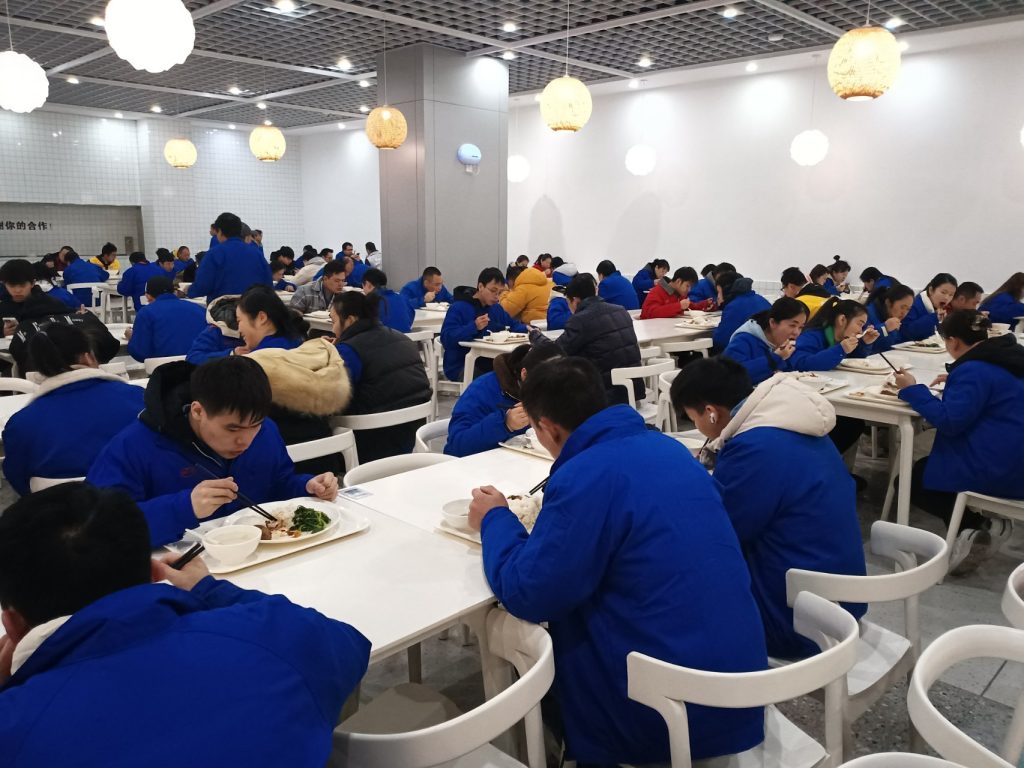
Then there was the salary reality check that completely changed my perspective. Chatting with some long-term workers who’d been at the factory for two or three years, I finally learned the truth behind the “monthly salary of 5,000–7,000 yuan” advertised in the recruitment posters. That attractive figure comes at a steep price—you have to sacrifice every bit of your free time. It means working overtime at night, on weekends, and even during public holidays. Only by never missing a single shift can you take home that paycheck. If you want a standard 9-to-5 job with no overtime? Your monthly wage drops to around 3,000 yuan—barely enough to make ends meet. That’s when it truly sank in: every single penny you earn is paid for with your time and sweat. Making money is never easy.
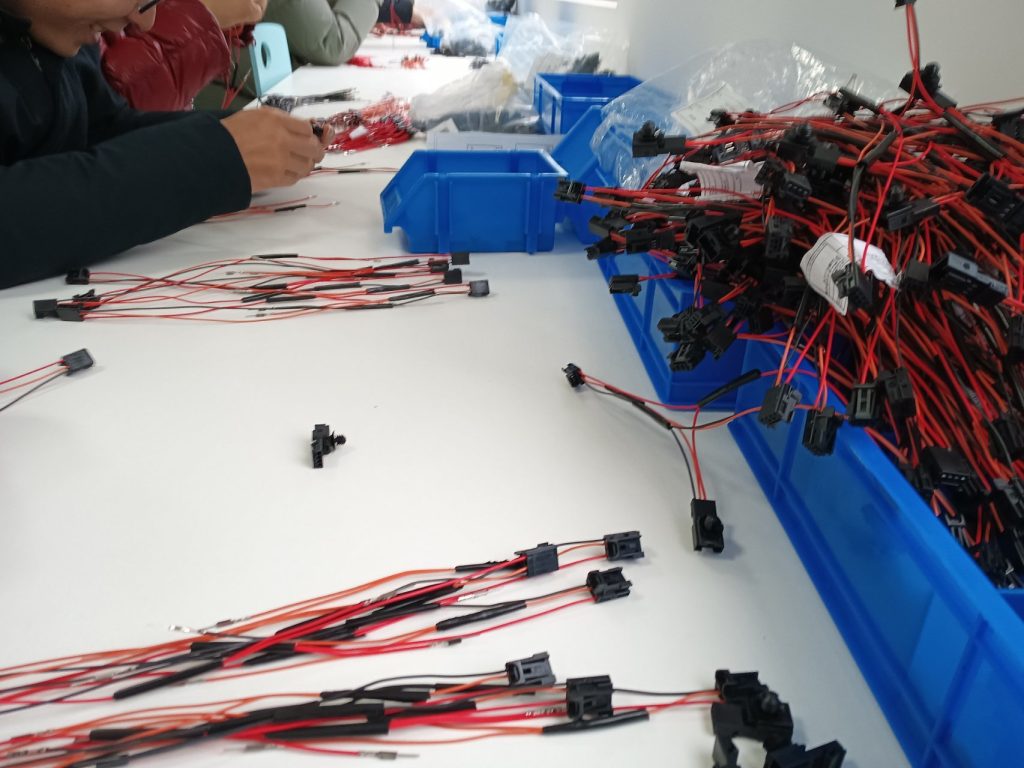
Now that my week as a factory worker is over and I’m back to typing in the office, that “mental fatigue” I used to complain about doesn’t seem so bad anymore. It turns out every job has its own hidden hardships. Behind every seemingly simple task lies days, months, and years of persistent hard work and dedication.