A 37-year-old toy factory, Shenzhen Shenli Toys, has closed down and completely ceased production, with its owner fleeing overnight.
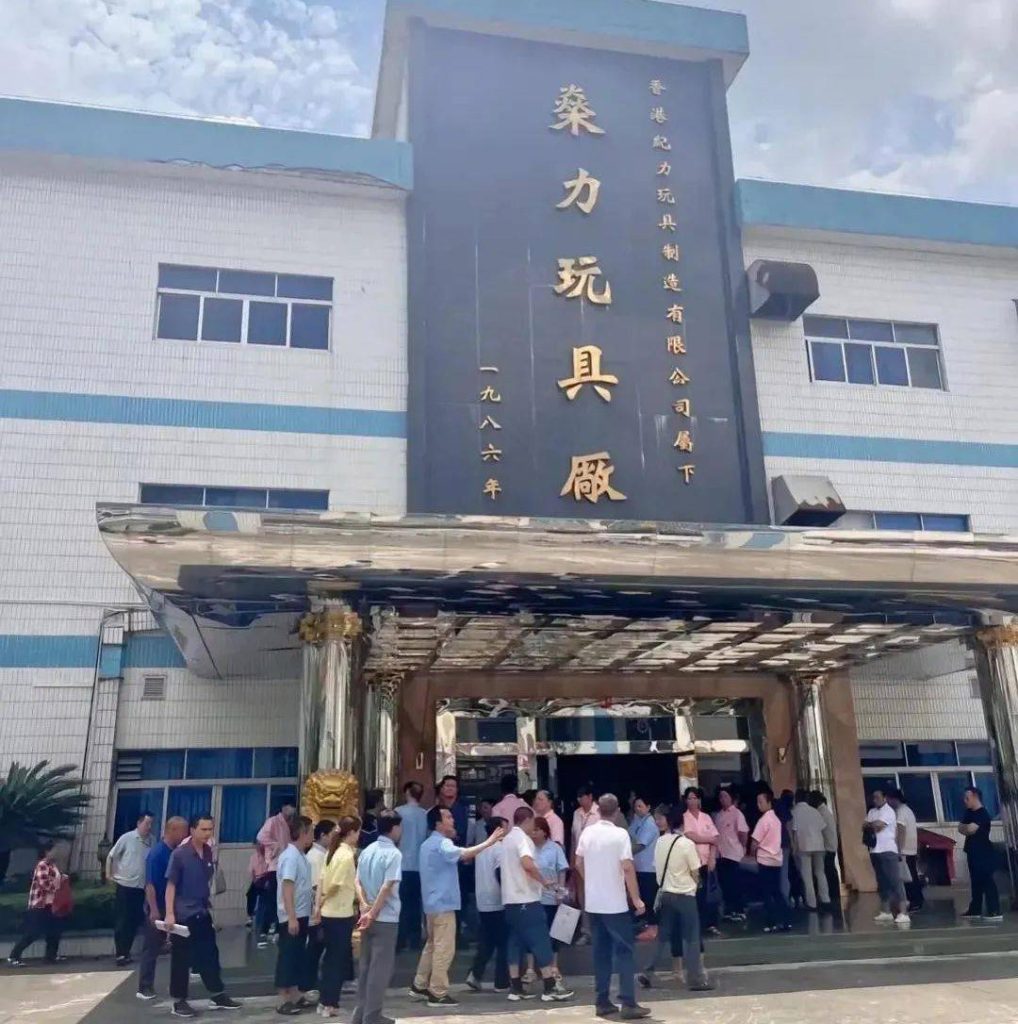
Sources indicate that the factory’s closure was unregulated. Outstanding employee salaries and payments to some suppliers remain unsettled, prompting many affected individuals to gather at the factory site seeking proper resolutions to their unpaid wages and dues.
It is reported that the factory owed two months of wages to its workers before the owner’s abrupt escape, leaving nothing but empty workshop buildings behind. Compared to employees of other factories who receive full payment even during closures or layoffs, the workers of Shenli Toys are facing a far more distressing predicament. With the owner gone, these workers and suppliers are left with no option but to seek legal recourse through the courts.
While it is speculated that the owner may have fled due to capital chain rupture, such an irresponsible act has undoubtedly betrayed the trust of long-serving employees. The collapse of this 37-year-old major toy manufacturer in Shenzhen has left a large number of workers unemployed.
Public records show that Shenli Toys was registered in Shenzhen in 1986. As a wholly-owned subsidiary of Hong Kong Kili Toy Manufacturing Co., Ltd., it is a Hong Kong-funded enterprise specialized in toy production and manufacturing.
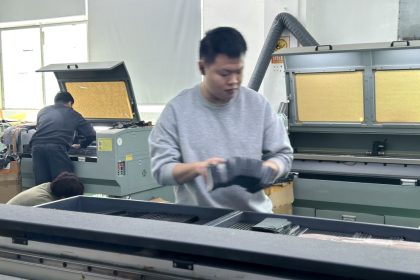
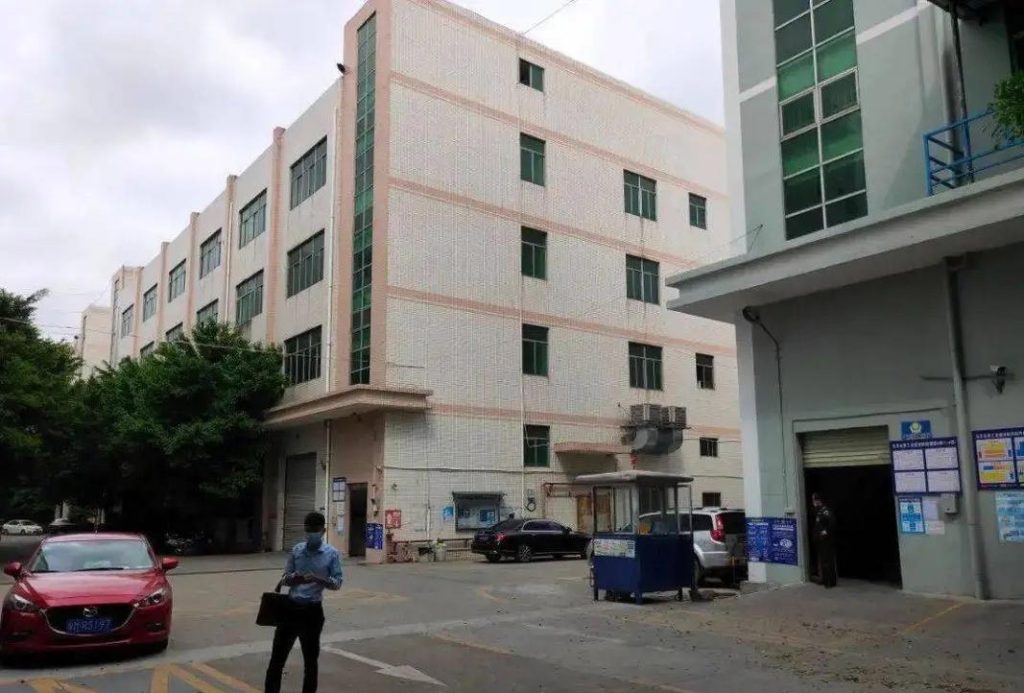
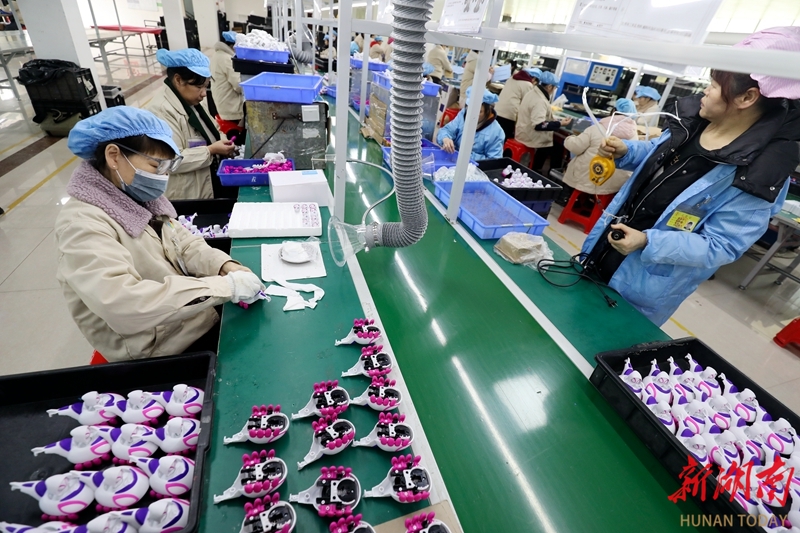
The factory was equipped with two injection molding workshops, one spray painting and pad printing workshop, one electronic welding workshop, one electronic assembly workshop, and two finished product assembly workshops. Its product range covered musical toys, telephone toys, educational toys, space-themed toys, and rocking toys. At its peak, the factory covered an area of over 10,000 square meters and employed several thousand workers.
What puzzles many is that, having survived the arduous three-year COVID-19 pandemic, why did this well-established factory ultimately collapse with its owner fleeing? This outcome has not only confused the public but also left workers and suppliers feeling betrayed and disillusioned.
Industry analysts point to three key factors behind the factory’s downfall:
- Decline in international toy orders
The toy industry is highly vulnerable to external market changes. As one of China’s most important toy production bases, Shenzhen’s toy manufacturers are closely tied to the global economic climate. Since 2020, the global pandemic has weakened consumer purchasing power worldwide, disrupting both offline and online sales channels and directly slashing toy factory orders. Additionally, Southeast Asian toy manufacturers, with their lower production costs, have intensified competitive pressure on Shenzhen-based factories. - Rising operational costs
As one of China’s most economically developed cities, Shenzhen has witnessed a sharp surge in housing prices over the past decade, which has directly driven up labor and land costs. The dual pressure of rising costs has drastically squeezed factory profit margins. With product prices unable to keep pace with cost increases, enterprises have struggled to maintain profitability. Factories that failed to adjust their business strategies in a timely manner or lacked sufficient capital support to offset cost pressures were at high risk of capital chain rupture, ultimately leading to closure. - Impact of supply chain relocation
Escalating geopolitical conflicts have accelerated the relocation of some supply chains to regions with lower geopolitical risks. This shift has exerted a profound and direct impact on export-oriented manufacturing enterprises.
Regardless of the dominant factor, the collapse of this 37-year-old toy factory—marked by the owner’s escape—has evoked widespread regret across the industry.