Guayu Town, Chaoyang District, Shantou City, Guangdong Province, is known as the “capital of e-waste”. It grew into one of China’s largest bases for dismantling waste electrical and electronic equipment, as well as a distribution hub for recycled metals and plastics. The town covers 21 villages, hosting over 300 enterprises and more than 5,500 business operators, with over 60,000 employees engaged in large-scale dismantling and processing of waste electronics and plastics. At its peak, Guayu processed up to 1.55 million tons of discarded electrical appliances and plastics each year, earning it worldwide fame as the renowned “capital of e-waste”.

Primitive Dismantling Techniques
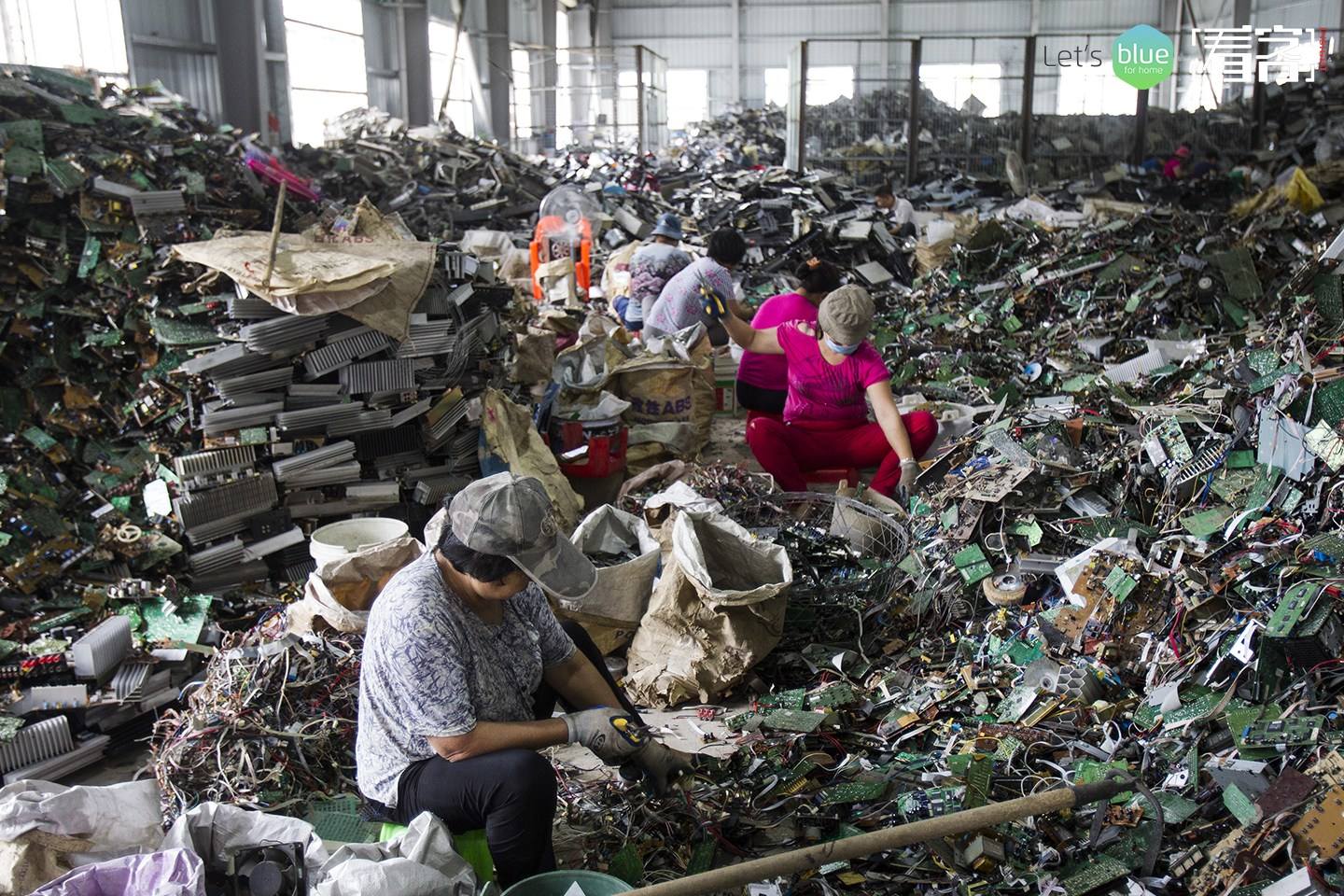
Most primary dismantling workshops in Guayu are large-scale operations focused on metal recovery. They accept all types of electronic equipment in massive volumes. Goods are mostly sourced directly from overseas suppliers. Upon arrival, workers first conduct simple sorting. Functional second-hand appliances are picked out and resold to used-electronics dealers. Some unwanted equipment is passed on to secondary dismantling workshops. The rest goes to workers for dismantling.
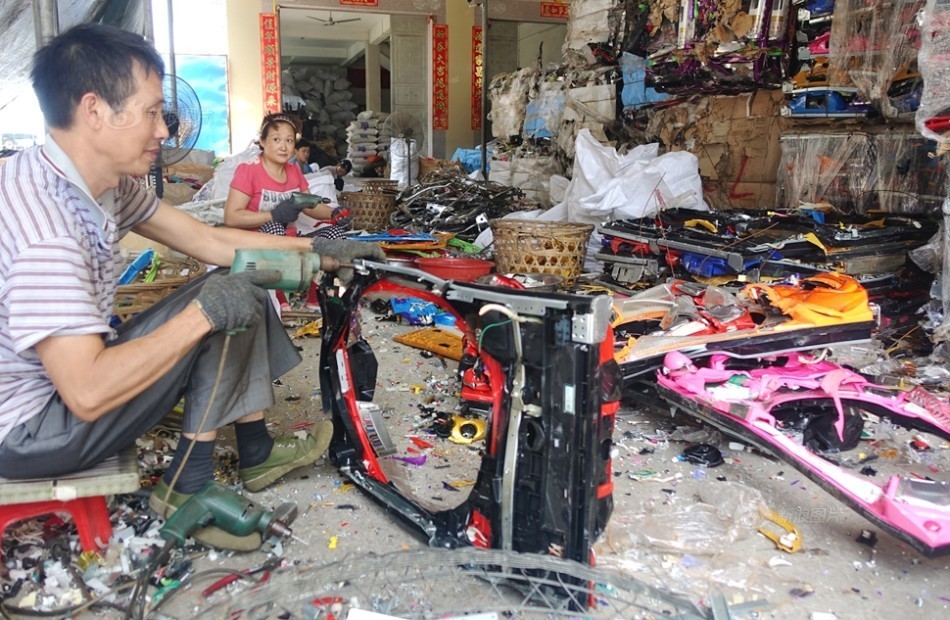
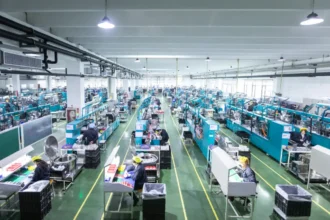
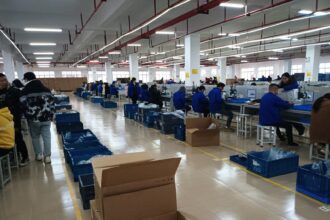
This photo taken on August 9, 2014 shows workers dismantling electronic waste at a workshop at Guiyu Township in Shantou City, south China’s Guangdong. Business is booming in the Chinese town of Guiyu, where the world’s electronic waste ends up for recycling — and is set to get even better. AFP PHOTO / JOHANNES EISELE
After disassembly, these primary workshops recover metals such as copper, iron and aluminium. Once valuable materials are retained, sorted scraps are resold to specialized downstream workshops. Primary dismantling workshops serve as the major supply source for other specialized processors.
Secondary dismantling workshops form the main body of Guayu’s e-waste dismantling industry. There are numerous types and huge quantities of these workshops. In the early years, they mainly sourced materials from primary dismantlers. In recent years, many can directly purchase required raw materials from suppliers in other regions.
Pollution from E-Waste
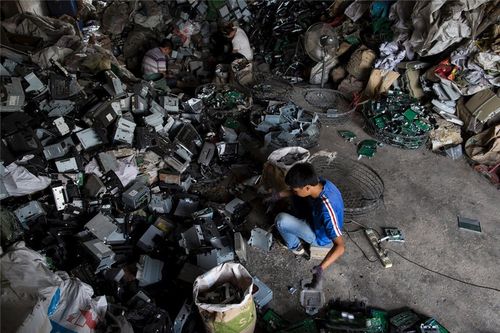
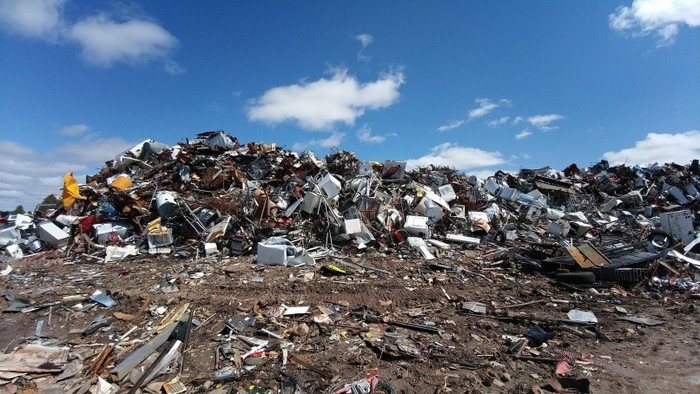
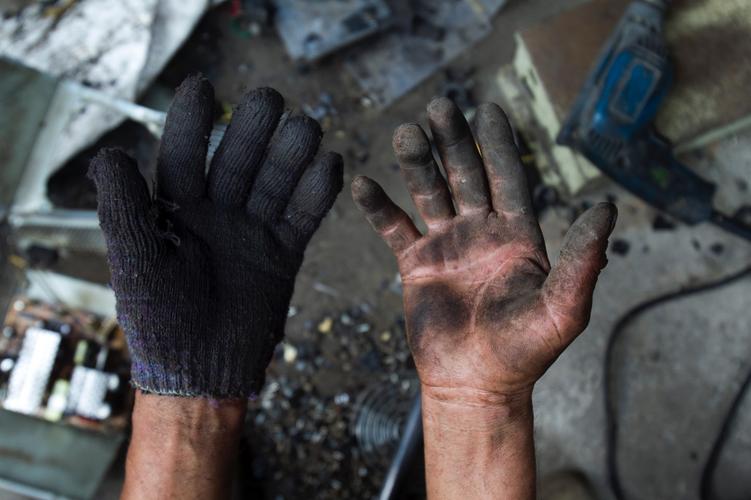
Locals refer to two crude extraction methods as “acid pickling” and “board burning”. Workers use sulfuric acid and other acidic solutions, or high-temperature roasting, to extract precious metals. Both practices cause severe pollution. Untreated wastewater generated from e-waste processing was directly discharged into the Beigang River.
Moreover, due to the lack of a complete and orderly recycling system, circuit boards leftover after component stripping spread from Guayu to surrounding areas, creating new sources of contamination.
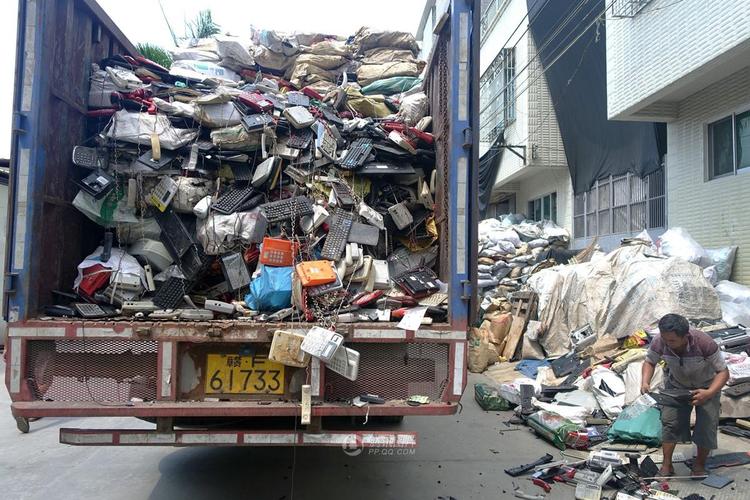
Waste Treatment Infrastructure
Authorities built a circular economy industrial park as an alternative to banning the entire e-waste dismantling sector. Supporting environmental facilities were constructed, including municipal sewage treatment plants, industrial wastewater treatment plants, landfills, waste transfer stations and hazardous waste transit depots. The park passed review and acceptance by the Guangdong Provincial Department of Ecology and Environment in March 2016.
Revised Management Approaches
China may learn from the Extended Producer Responsibility (EPR) system widely adopted in Europe and America. Under this framework, manufacturers bear environmental responsibility throughout a product’s lifecycle, including collection and disposal of end-of-life goods.
In Germany, electronic shredders automatically sort discarded electronics. Materials are priced according to gold content and delivered to final smelters. The United States has introduced mandatory regulations for waste home appliance disposal. It also leverages government procurement policies to give priority to products containing recycled materials in public purchasing.
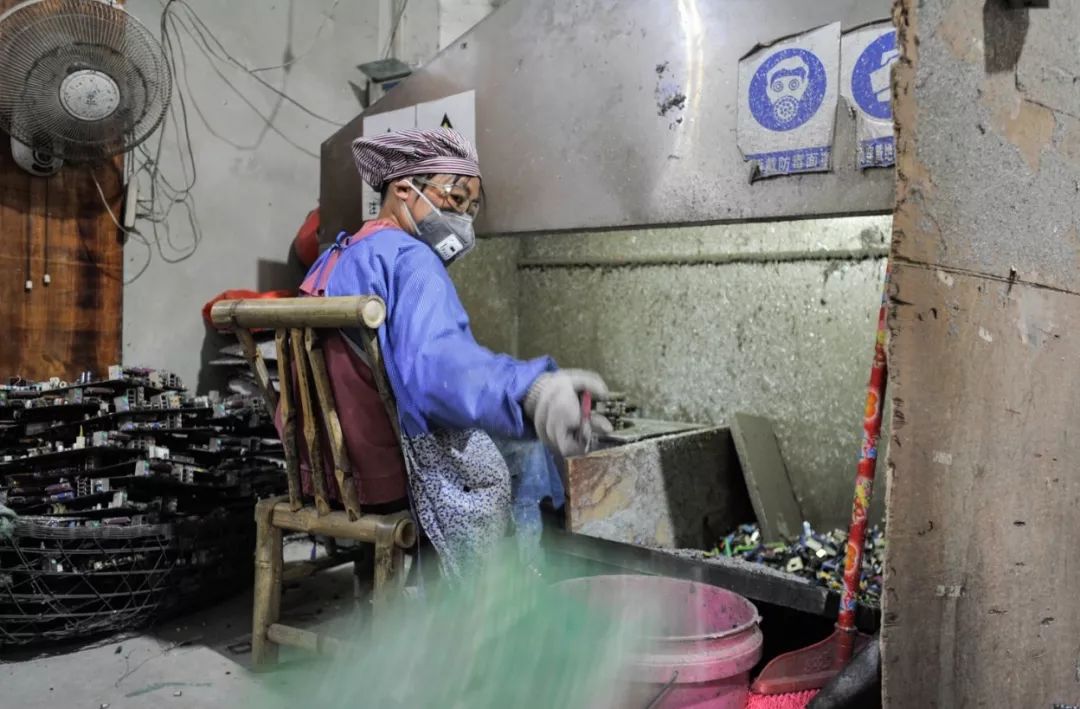
China still lags behind Western countries in e-waste recycling capacity. Although short-term profits can be made, damaged ecosystems, impaired public health and ruined reputations are nearly impossible to restore. Such uneconomical practices stem merely from short-sighted greed.
Suffering severely from e-waste contamination, China should actively adopt advanced systems and technologies to minimize pollution while maximizing resource value. This will help us avoid environmental and health hazards caused by electronic waste.