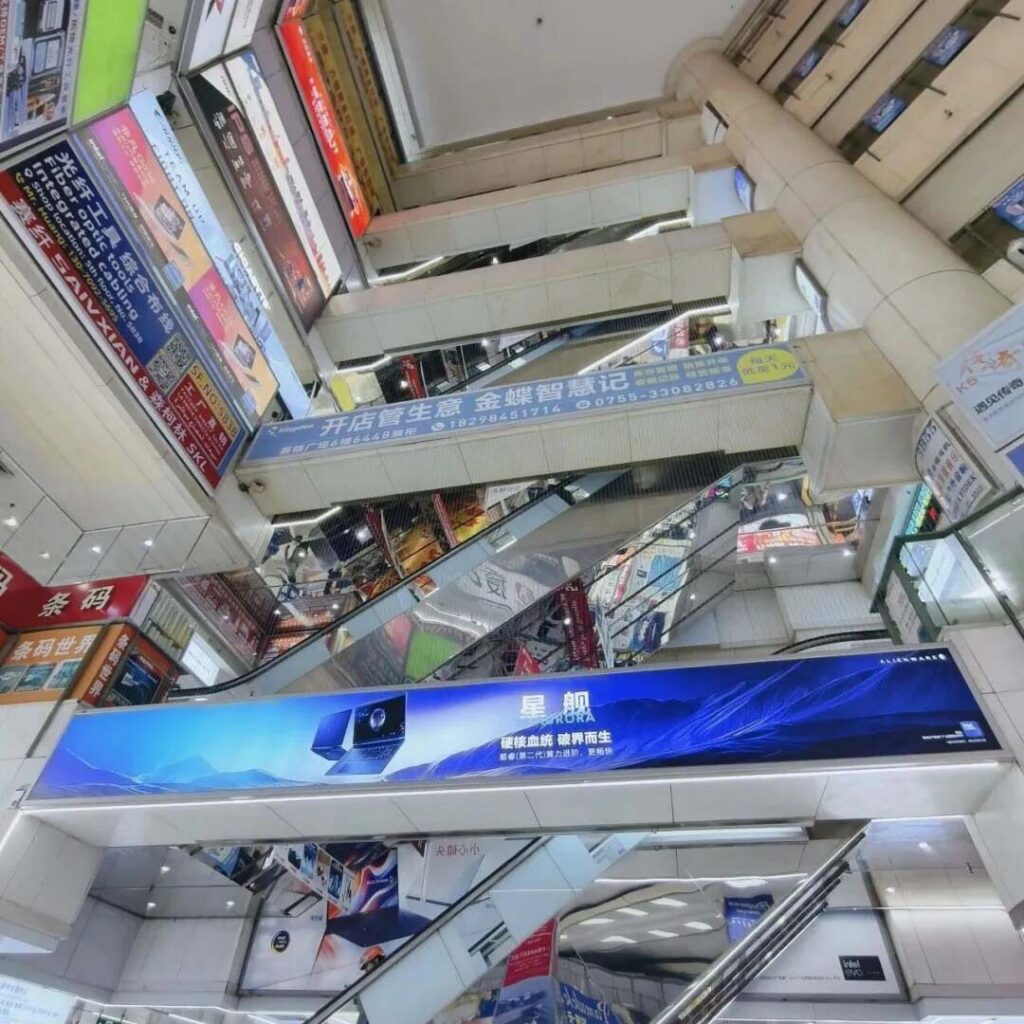
Huaqiangbei in Shenzhen is widely known as the world’s most saturated electronics market. It has never needed advertising. Instead, global buyers, tech enthusiasts, and foreign merchants travel here voluntarily, hunting for the latest gadgets and cost-effective tech products. During a recent stroll through its dense rows of shops, I witnessed firsthand how Made in China tech has evolved from cheap replacements to industry-leading innovation.
While wandering around the fifth floor of the electronics mall, a tiny, eye-catching portable SSD immediately caught my attention. Featuring a fresh yellow and blue color scheme and a compact, macaron-style body, the device looked far more stylish than traditional plain tech gadgets. Out of curiosity, I asked the shop owner for the price — over 1300 RMB, which was way higher than my initial expectation.
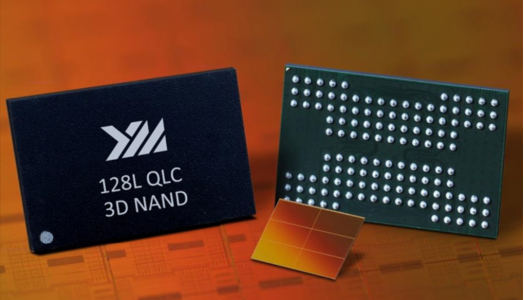
I immediately looked up the brand and was genuinely impressed. This sleek portable drive is from Zhitai (ZHITAI), a consumer-grade brand owned by Yangtze Memory Technologies (YMTC). As one of the few global enterprises mastering advanced 3D NAND flash technology with over 200 layers, YMTC has successfully mass-produced 232-layer 3D NAND chips, securing a top-tier position in the global storage industry.
This seemingly ordinary portable SSD on a Huaqiangbei shelf carries genuine world-class domestic chip technology. And YMTC is not the only powerhouse reshaping the global storage landscape.
Another underestimated Chinese giant is CXMT (ChangXin Memory Technologies), the only domestic enterprise in China capable of large-scale mass production of DRAM memory chips.
Its strength is staggering. Currently ranking fourth globally with a 7.67% global market share, CXMT only falls behind industry giants Samsung, SK Hynix, and Micron. Its financial performance in Q1 2026 shocked the entire tech and investment circle: a single-quarter revenue of 50.8 billion RMB and a net profit of 33 billion RMB.
To put this achievement into perspective:CXMT earns 360 million RMB per day and 15 million RMB per hour, surpassing the net profit of Kweichow Moutai in the same period.
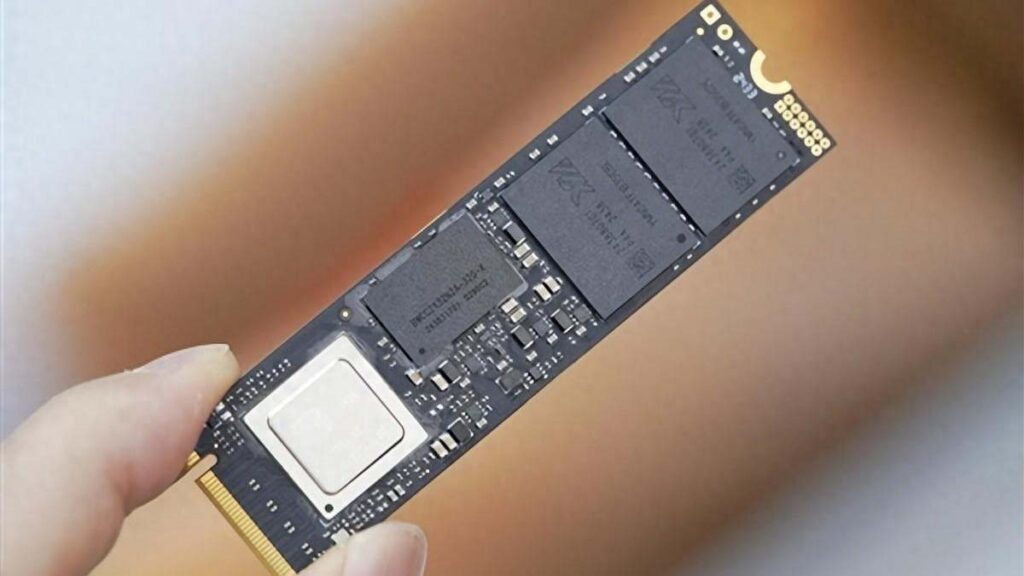
A clear industry pattern has emerged: YMTC dominates the NAND flash track, while CXMT leads the domestic DRAM field. These two Chinese storage champions have broken the decades-long monopoly of international semiconductor giants, rewriting the rules of the global storage market.
During this Huaqiangbei trip, I also witnessed a thought-provoking scene. At a counter selling cost-effective alternative headphones, a group of foreign buyers stood alongside local customers, equally amazed by the product quality and cost performance. They were genuinely stunned by how advanced and affordable Chinese consumer tech has become.
This scene speaks volumes. Huaqiangbei’s prosperity is no longer built on low-cost imitation products. It has become a global showcase for high-quality Chinese manufacturing and original tech innovation. The world no longer doubts Chinese tech — they come here personally to experience and recognize its value.
Many people may wonder: the booming growth of YMTC and CXMT is incredible, but what benefits does it bring to ordinary people?
It’s true that both giants have not completed their IPOs yet, and ordinary investors have no access to their original shares. Even after their future listings, the stock prices are likely to soar sharply, leaving little safe profit space for retail investors.
For years, huge dividends from the growth of semiconductors, AI, and new energy industries have been seized by early institutions and insiders. By the time ordinary people notice these trending industries, smart capital has already taken layout in advance.
However, there is still a reliable way for ordinary people to share the dividends of China’s tech industry boom. Instead of chasing individual high-risk stocks, we can choose industry ETFs and broad-market ETFs to participate in the long-term growth of domestic technology sectors passively and steadily.
There is indeed an information gap in wealth growth. Rather than falling into anxiety, it’s better to improve our cognitive horizon and seize the incremental opportunities brought by industrial upgrading.
From a delicate domestically produced portable SSD, to the record-breaking profitability of Chinese storage giants, and global buyers recognizing Chinese tech in Huaqiangbei — all details convey one truth: Chinese manufacturing and Chinese semiconductor technology have gained solid global competitiveness.