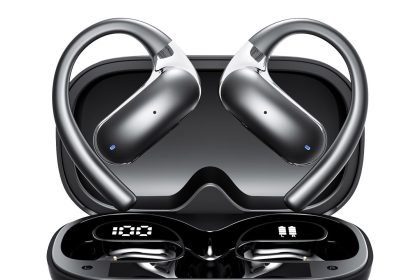

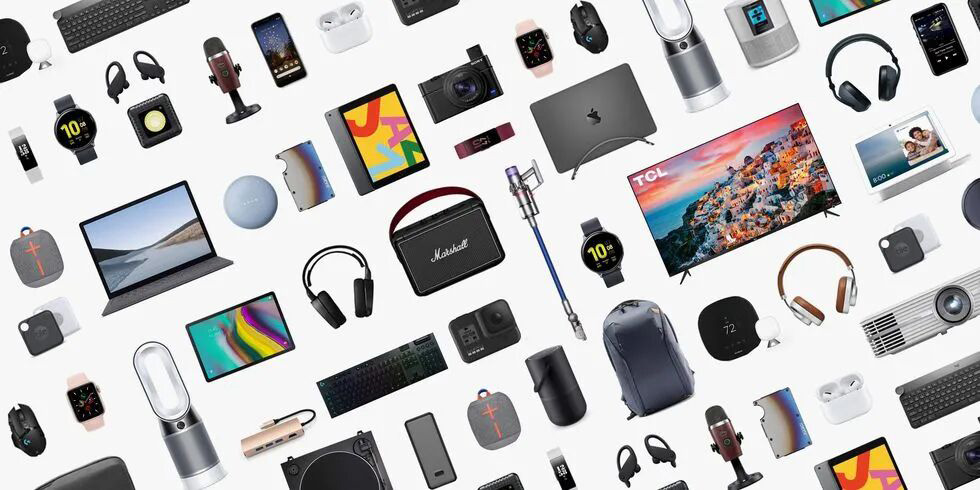
The consumer electronics industry has always been a core driver of transformation, profoundly shaping how we interact with technology and one another. From the simple, single-purpose devices of the early days to today’s sophisticated, interconnected smart systems, the evolution of consumer electronics epitomizes the rapid advancement of technology and society. As we step into 2025, the industry stands at a critical juncture, poised to paint a future landscape where innovation is deeply intertwined with sustainability, security, and personalization.
Over the decades, the focus of the industry has shifted dramatically. Initially, consumer electronics were defined by their functions—devices designed to meet specific individual needs in isolation. But with technological progress, these products have become deeply integrated into every aspect of daily life.
Today, consumer electronics are far more than just tools; they form the backbone of modern lifestyles. They deliver convenience, foster connectivity, and strive to address global challenges such as sustainable development and data security. The 2025 industry trends not only highlight this transformative journey but also offer a glimpse into how the sector adapts to the demands of a rapidly changing world.
1. The Central Role of Sustainable Development
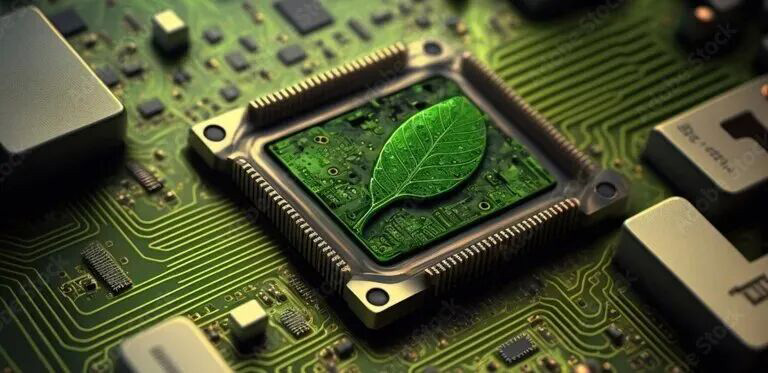
Sustainable development has evolved from an “optional consideration” to a core principle of the consumer electronics industry. As global awareness of environmental issues grows, manufacturers are taking proactive steps to reduce their ecological footprint. This shift is prominently reflected in the adoption of recyclable materials, the integration of energy-efficient components, and the implementation of sustainable production processes.
In 2025, the industry will focus on creating products with “long lifespan + repairable” designs, catering to the needs of a fast-growing eco-conscious consumer base. Behind this orientation lies a broad commitment to “responsible innovation”. By prioritizing sustainability, manufacturers are setting new industry standards, ensuring that products are not only technologically advanced but also environmentally accountable.
The sustainability trend extends further to packaging and supply chains: companies are actively exploring ways to cut waste generation and lower carbon emissions. This transformation is not only reshaping manufacturing practices but also subtly influencing consumer behavior, driving the emergence of a culture of “conscious consumption”.
2. The Rise of AI-Integrated Devices
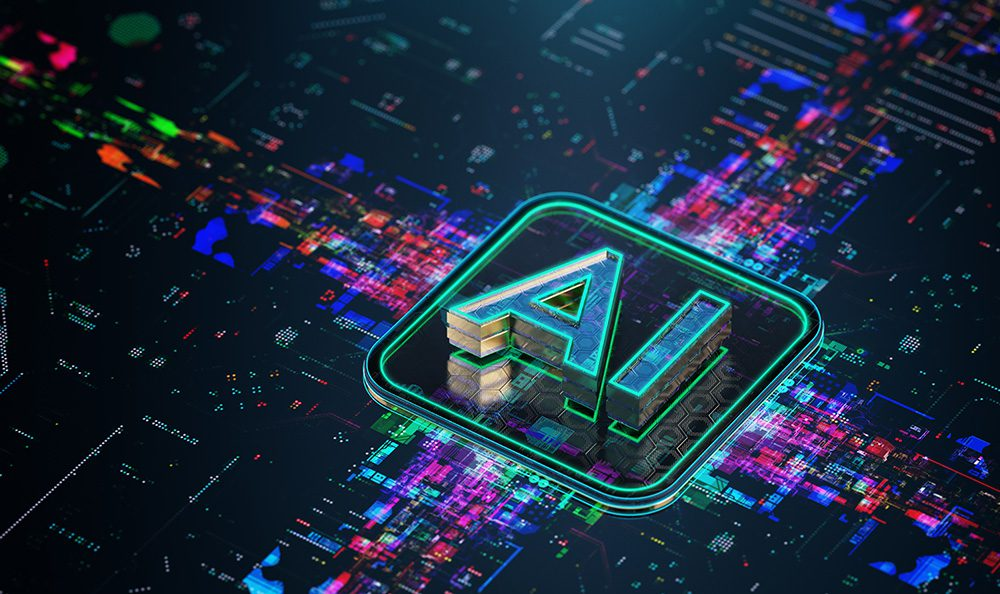
Artificial Intelligence (AI) has evolved from a buzzword to a core pillar of the consumer electronics industry. In 2025, AI is no longer an “add-on feature” but a key driver of innovation and user experience optimization.
Today’s AI-enabled devices can accurately understand and adapt to individual preferences, making technology more intuitive and user-friendly. For instance, AI-powered home assistants can learn users’ daily routines, provide personalized recommendations, and automate tasks, significantly enhancing daily convenience. Adaptive entertainment systems, on the other hand, leverage AI to deliver content tailored to personal tastes, redefining the way we consume media.
This evolution marks a leap forward from the early iterations of AI, which were limited in scope and functionality. Current AI systems are deeply integrated into products, delivering seamless solutions that comprehensively boost productivity, entertainment experiences, and daily life efficiency. As AI technology continues to advance, it will unlock more possibilities, making consumer electronics smarter, more efficient, and increasingly indispensable.
3. Innovation in Intelligent Energy Management Systems

Against the backdrop of an industry that places growing emphasis on sustainability, energy efficiency has become a core consideration. In 2025, intelligent energy management systems will completely revolutionize the traditional modes of power consumption and storage. These systems allow users to monitor and optimize energy usage in real time, providing precise insights to cut electricity bills and reduce environmental impact.
Among these developments, the integration of such systems with household appliances is particularly crucial. For example, smart refrigerators, washing machines, and Heating, Ventilation, and Air Conditioning (HVAC) systems can now connect with energy management platforms, automatically adjusting their operational settings to achieve maximum efficiency. This not only reduces energy consumption but also contributes to broader environmental protection goals.
The popularization of intelligent energy management systems signals a shift in the industry toward “empowering consumers to actively participate in sustainable development”. By providing the tools and insights needed for informed decision-making, these systems are paving the way for a more energy-efficient future.
4. Seamless Connectivity with the Internet of Things (IoT)

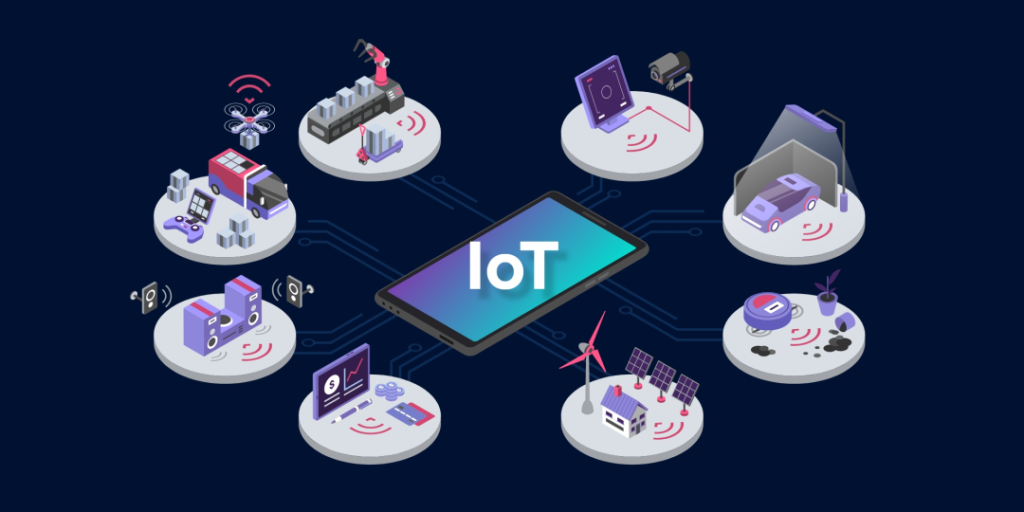
The Internet of Things (IoT) was once regarded as the future direction of consumer electronics, and in 2025, this vision has finally come to fruition. IoT is breaking down barriers between devices, building interconnected ecosystems, and redefining the boundaries of “convenience” and “functionality”.
Smart home hubs have become the core for managing a diverse range of devices—from lighting and home appliances to security systems, all can be centrally controlled through a single hub. These hubs act as “command centers”, enabling users to manage their entire home environment via one interface. Today, such seamless connectivity is no longer a “novel experience” but a foundation for building holistic ecosystems and enhancing quality of life.
The development of IoT is the result of decades of innovative exploration focused on “interconnectivity”. By integrating scattered devices into collaborative networks, IoT not only improves convenience but also achieves new heights of automation and efficiency. This shift underscores the industry’s core mission: to make technology more accessible, intuitive, and effective.
5. Upgrades in Security and Privacy Protection


As the industry becomes increasingly interconnected, the challenge of ensuring security and privacy has grown more prominent. In 2025, enterprises have prioritized strengthening security measures and implementing transparent data management practices to build consumer trust.
The upgrade from basic data protection to advanced cybersecurity platforms reflects the industry’s maturity—companies have fully recognized the core value of consumer trust. Today, enhanced security features such as encryption technology and multi-factor authentication have become standard on connected devices, ensuring that users can enjoy the convenience of technology without compromising their privacy.
The emphasis on security and privacy is not only a response to consumer needs but also reflects the industry’s responsibility to protect users. By investing in the development of secure platforms, manufacturers are fostering consumer confidence and driving the wider adoption of connected devices.
The development of consumer electronics is a journey of continuous innovation, characterized by its growing alignment with consumer needs and global priorities. As the boundaries between the physical and digital worlds become increasingly blurred, the consumer electronics sector will remain a cornerstone of social progress—a goal that requires us to constantly balance innovative dynamism with responsibility. The current era fully demonstrates the adaptability and forward-thinking nature of the consumer electronics industry, while reaffirming its pivotal role in shaping lifestyles and influencing how we interact with technology.