
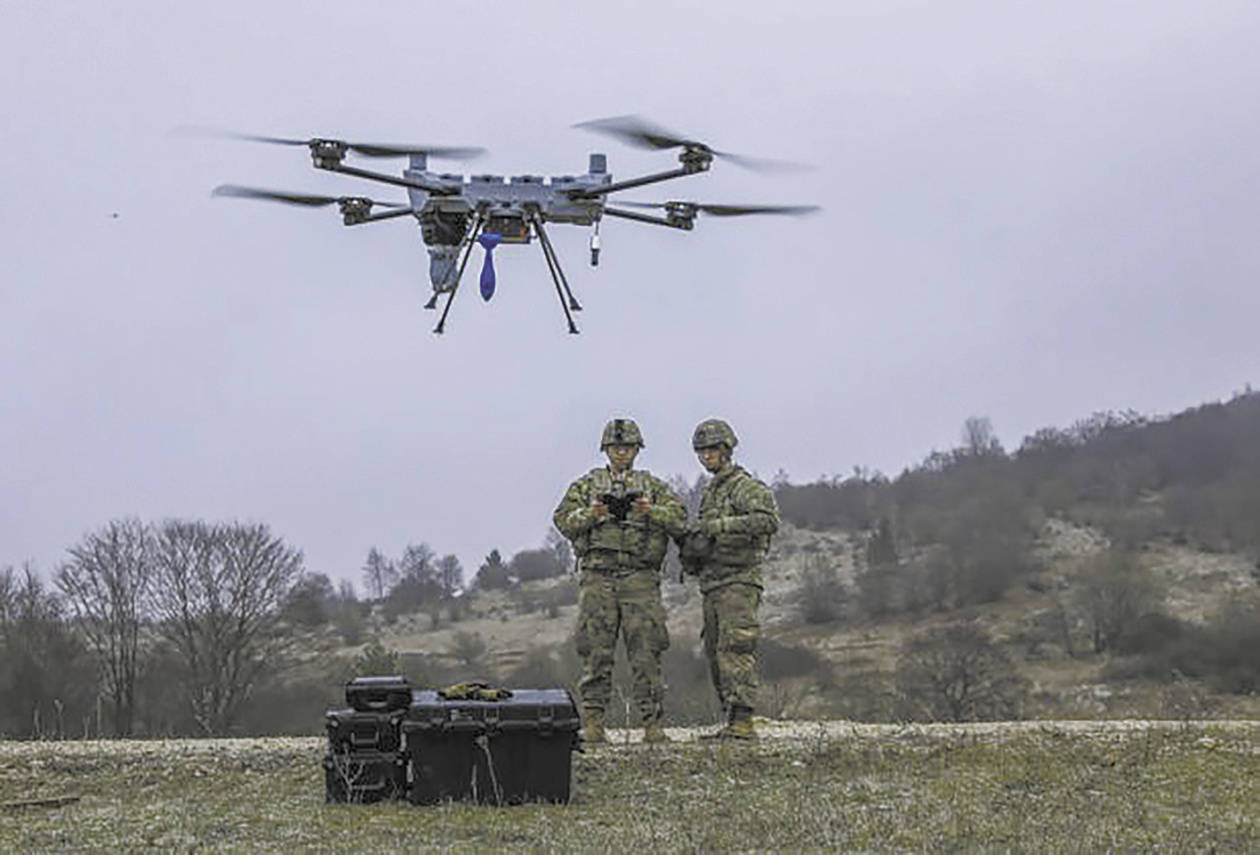
Modern warfare has become drone warfare. As a new type of weapon, drones have been widely deployed in recent conflicts, validating many theories of drone combat in real combat. Meanwhile, driven by evolving warfare tactics, drones are being used in increasingly diverse ways on the battlefield.
In terms of airframes, rotary-wing, compound-wing and fixed-wing drones are all in service. Their payloads include detection sensors, electronic jamming gear and weapon delivery systems. Especially with breakthroughs in AI technology, many drones integrate AI analytical capabilities, greatly boosting the precision of battlefield strikes.
What are the main battlefield use cases for drones, and how do they leverage their strengths in these scenarios?
ISR (Intelligence, Surveillance and Reconnaissance)
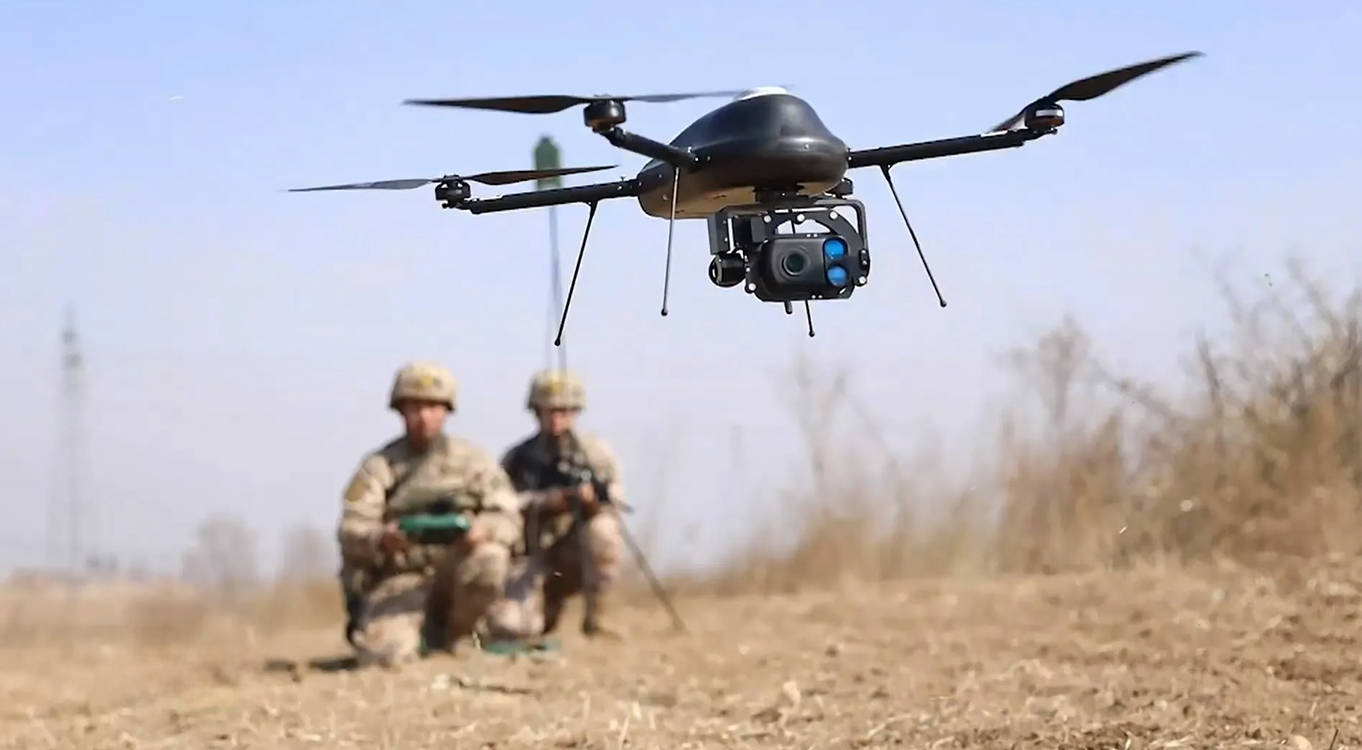
ISR refers to the coordinated collection, processing and delivery of timely, accurate, relevant, consistent and reliable intelligence to support commanders’ decision-making.
Intelligence from ISR systems comes in many forms: optical footage, radar, infrared imagery or electronic signals. High-quality ISR data provides early warning of enemy threats and improves troop operational efficiency, coordination and firepower effectiveness.
Drones serve as highly effective ISR platforms. Lightweight and easy to operate, they can fly deep into forward combat zones to gather first-hand battlefield intelligence.
Small rotary-wing drones can carry high-definition cameras to stream live battlefield footage. They may also be fitted with sensors, thermal imagers, radar and even electronic warfare equipment to detect various targets, feeding real-time data back to command staff at all levels.
Notably, some drones feature built-in AI. Powered by AI computing, they automate intelligence analysis and preprocess raw data, improving the reliability of collected information and reducing risks associated with manual observation.
Boosting intelligence, surveillance and reconnaissance capabilities remains one of the primary battlefield applications of drones.
Weapon Payload Delivery
Neutralizing enemy forces is the core of winning battles. Different weapon systems dominated different eras: machine guns in WWI, tanks in WWII, stealth fighters during the Gulf War.
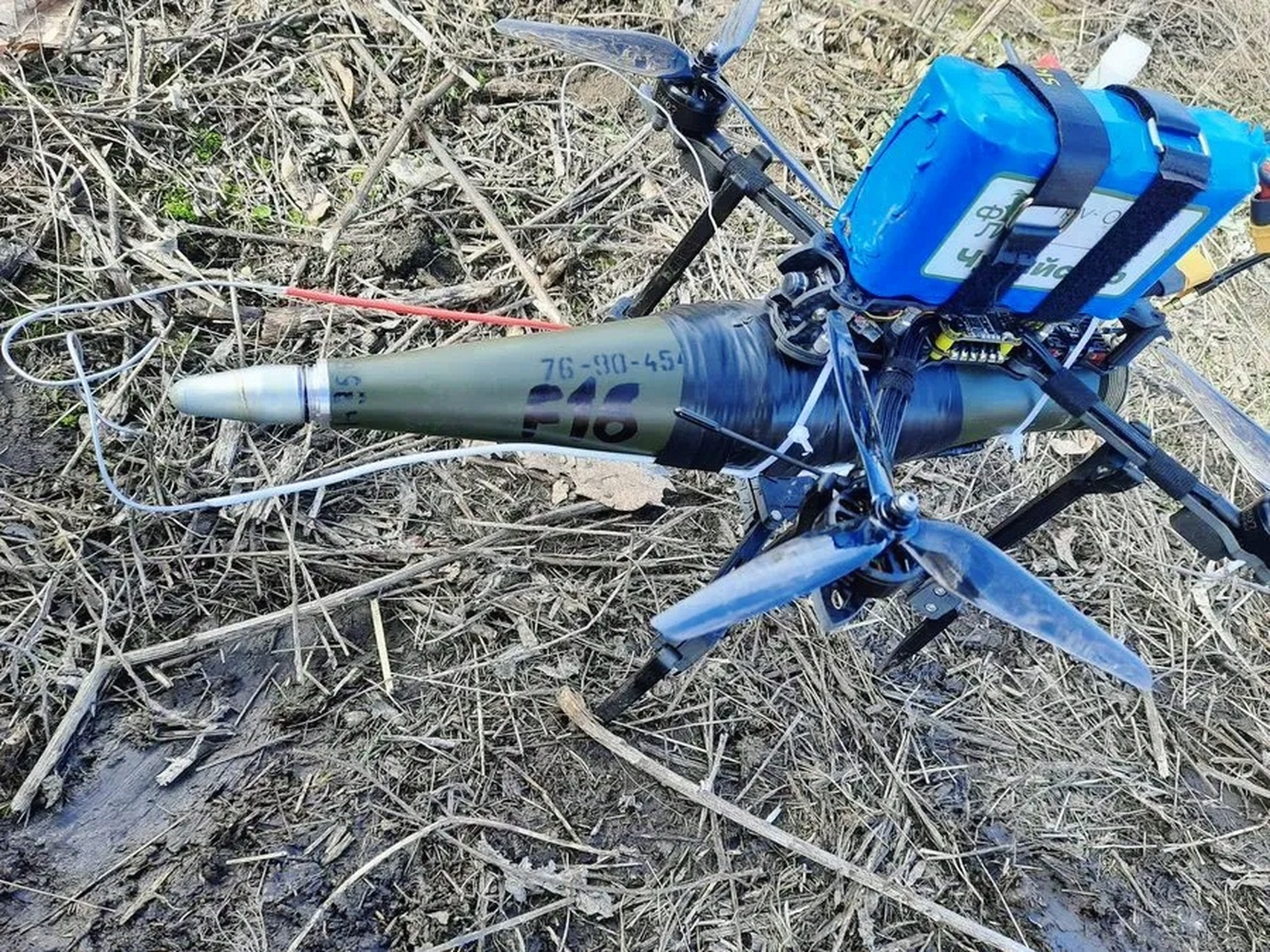
Today, drones carrying weapon payloads play a critical role. Different drone models can mount various weapon systems. In active conflicts, drones are used to drop bombs and launch missiles.
By bringing weapons closer to enemy positions, drones raise hit accuracy. This represents a major direction for drone battlefield deployment.
Cargo Resupply
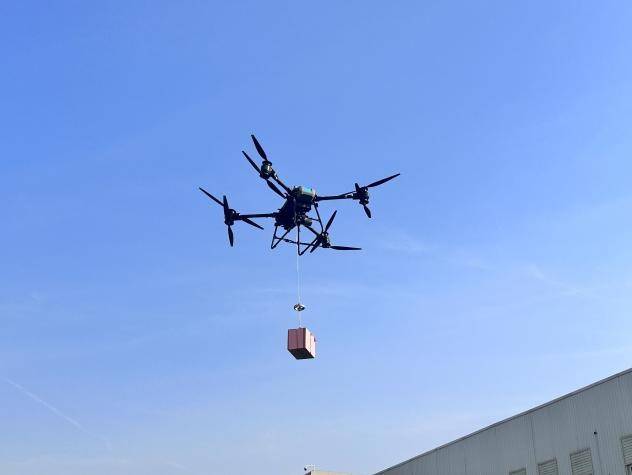
Frontline supply and cargo delivery are critical in combat. Traditional delivery methods face many obstacles, and drones’ mobility solves many of these challenges.
Heavy-lift drones can carry dozens of kilograms of supplies and have minimal takeoff and landing requirements, ideal for emergency battlefield resupply. Swarm operations enable mass equipment transport within a short timeframe.
This advantage shines in rough terrain, such as delivering supplies to high ground. Missions that once required troops to trek over mountains can be completed by drones in minutes.
During combat, compact and agile drones quickly deliver ammunition, medical supplies and other necessities to frontline troops, sustaining their combat capability.
Target Geolocation
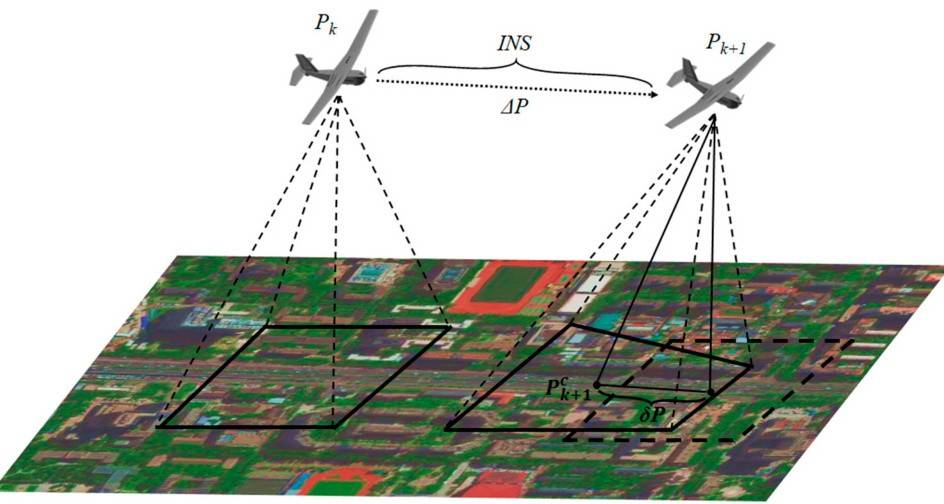
In this application, drones are not the primary strike asset. Once a high-value target is detected, the drone pinpoints its location with high precision.
Equipped with laser rangefinders, drones generate exact target coordinates to guide other weapon systems for precision strikes.
Drone battlefield deployment is still in its early phase. Drone models and related technologies are evolving rapidly, bringing new tactics and hardware. Studying global drone combat cases, learning from operational experience, and leveraging drones to enhance combat effectiveness is a key priority for military drone development.