For decades, the global market has stereotyped Chinese exports as low-cost, labor-intensive consumer goods, including apparel, toys, and daily commodities. However, the latest official Q1 foreign trade data released by China’s General Administration of Customs has delivered a stunning reversal, signaling a historic shift in the global manufacturing and supply chain landscape.
China is rapidly moving from a world factory of low-end products to a global supplier of high-end advanced manufacturing goods.
Released on April 14, the latest trade figures show explosive growth in China’s high-value-added industrial exports, especially integrated circuits (ICs), which recorded an astonishing export growth rate of 84.9%. This landmark data proves that Chinese high-tech manufacturing has become an indispensable core force in the global market.

1. Stunning Global Trade Data: High-Tech Exports Lead China’s Overseas Growth
In the first quarter of the year, China’s export structure underwent a fundamental transformation. Traditional light industrial products no longer dominate China’s overseas shipments. Instead, electromechanical equipment, semiconductor chips, and new energy products have become the main growth drivers of China’s foreign trade.
Official statistics show that China’s electromechanical product exports reached 4.34 trillion RMB in Q1, a year-on-year increase of 18.3%. These high-end manufactured goods now account for63.4% of China’s total export volume, up 3.5 percentage points year-over-year, firmly securing a dominant position in China’s global trade layout.
The growth rates of China’s signature new-energy export products, widely recognized as the “New Three Major Exports” in global trade circles, remain extremely robust:
- Integrated Circuits export (ICs): 84.9% growth
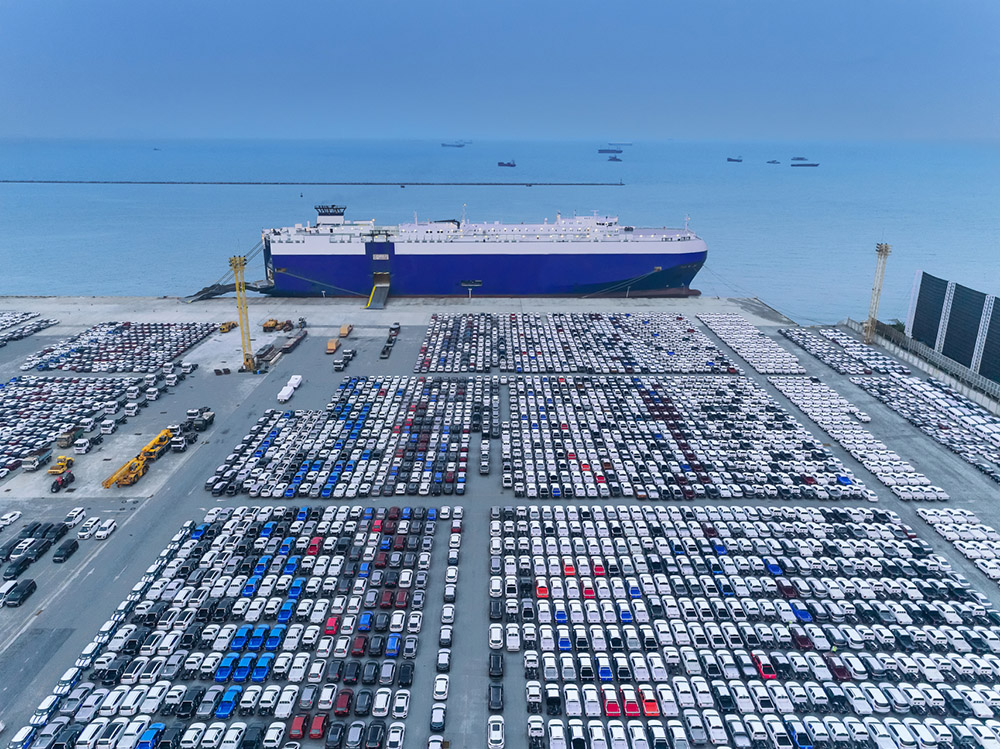
- New Energy Vehicles: 77.5% export growth
- Lithium Batteries: 50.4% export growth
- Photovoltaic Products: 45.2% export growth
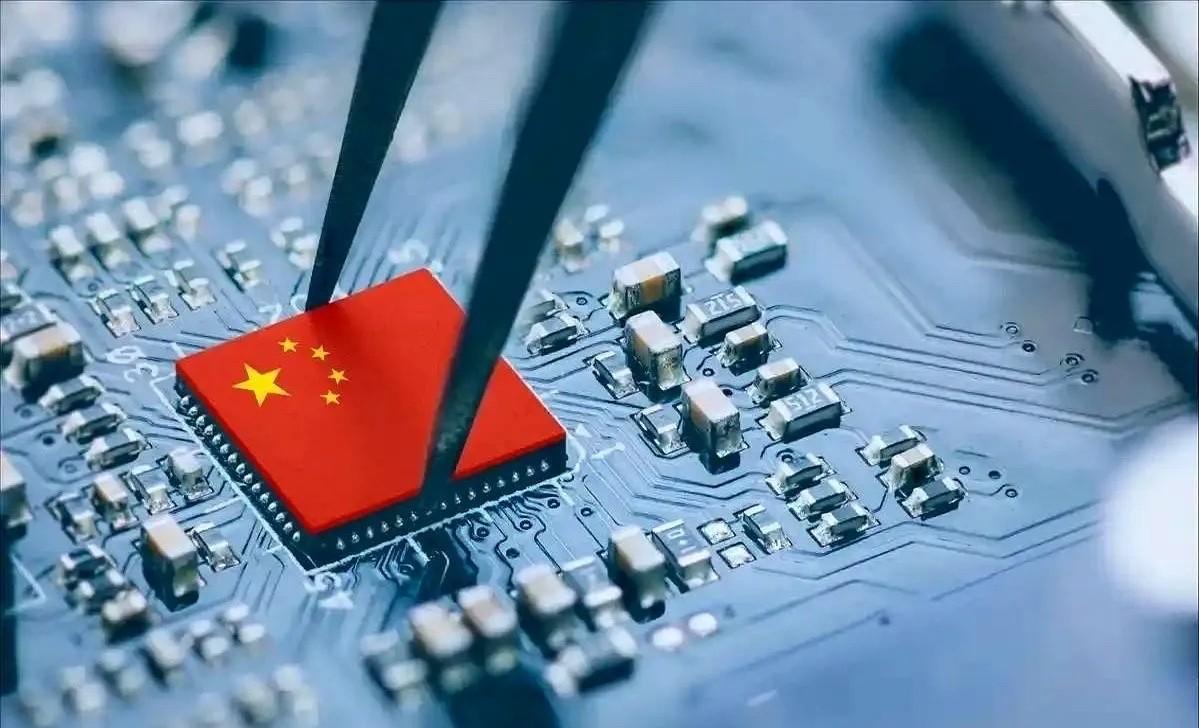
Among all categories, the nearly 85% surge in semiconductor exports is the most eye-catching. It marks a critical turning point: China is no longer merely a global consumer of chips, but a fast-growing global chip supplier.
2. Global Industrial Reversal: China Transitions from Chip Importer to Chip Exporter
For a long time in the global semiconductor industry chain, China has been the world’s largest chip importer, heavily reliant on overseas semiconductor supplies to support its domestic electronics manufacturing sector. For years, Western and Asian chip manufacturers have dominated the global semiconductor market, while Chinese-made chips were mostly limited to domestic low-end applications, with minimal global market presence.
Today, this global industrial pattern has completely changed.
The 84.9% year-on-year export surge is not a temporary data fluctuation, but a strategic shift in the global semiconductor supply chain. Chinese integrated circuits are now entering global markets on a large scale, competing and cooperating with established international manufacturers.
Globally, demand for Chinese semiconductor products is rising rapidly. While traditional Chinese exports are famous for low profit margins and high substitutability, China’s current export mainstream consists of high-precision, high-value-added electromechanical and semiconductor components. Chinese chips have officially become an essential, stable part of the global industrial supply chain.
3. Why China’s High-Tech Exports Are Exploding: A Full Industrial Chain Advantage
From a global industry perspective, the core reason for China’s rapid high-end manufacturing export growth lies in its unique and complete industrial ecosystem — an advantage no other country in the world can fully replicate.
In the semiconductor sector, China has accelerated full-chain localization over the past few years, covering chip design, wafer manufacturing, packaging and testing, semiconductor equipment, and core materials. This comprehensive industrial layout enables Chinese semiconductor companies to achieve large-scale, cost-effective production with stable output capacity.
Chinese chips can not only satisfy domestic market demand and reduce import dependence but also provide cost-effective, reliable solutions for global electronics manufacturers, meeting diverse international market demands.
This full-chain advantage is also fully reflected in China’s new energy export sector:
In the global new energy vehicle market, China owns the complete industrial chain of vehicle manufacturing, batteries, motors, and electronic control systems, enabling it to deliver high-performance products at competitive costs and continuously capture global market share from traditional automotive powers.
In the global photovoltaic industry, China’s full coverage of silicon materials, wafers, cells, and modules has formed unmatched cost and scale advantages, becoming the core driving force for global clean energy transformation.
4. A New Era of Global Trade: China Shifts from Low-End OEM to High-End Smart Manufacturing
The latest Q1 trade data reveals a profound restructuring of global trade patterns centered on Chinese manufacturing.

Globally, the market share of China’s traditional labor-intensive exports is gradually declining, while high-value-added products such as semiconductors, new energy equipment, and intelligent electromechanical products are becoming the new pillar of China’s global trade competitiveness.
The international stereotype of “cheap and low-quality Chinese goods” is rapidly fading. In its place, China is building a new global brand: reliable technology, complete industrial support, superior cost performance, and independent supply chain security.
From relying on massive chip imports to achieving explosive chip export growth, China’s quiet industrial upgrade is reshaping the rules of global high-tech trade.
Moving forward, China will no longer compete in the global market through low-price volume sales. Instead, it will rely on technological breakthroughs, complete industrial chain advantages, and high-end manufacturing capabilities to occupy a more critical position in the global supply chain and drive the upgrading of global trade and industrial patterns.