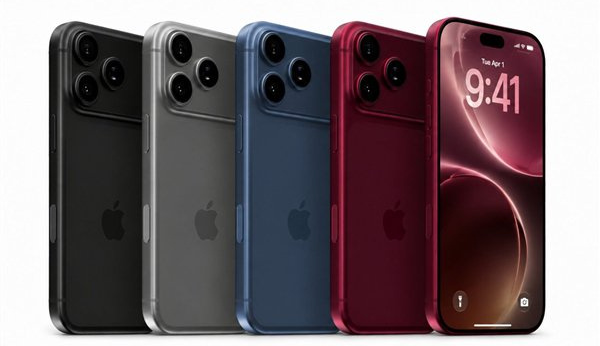

Apple’s annual fall launch event is just around the corner.
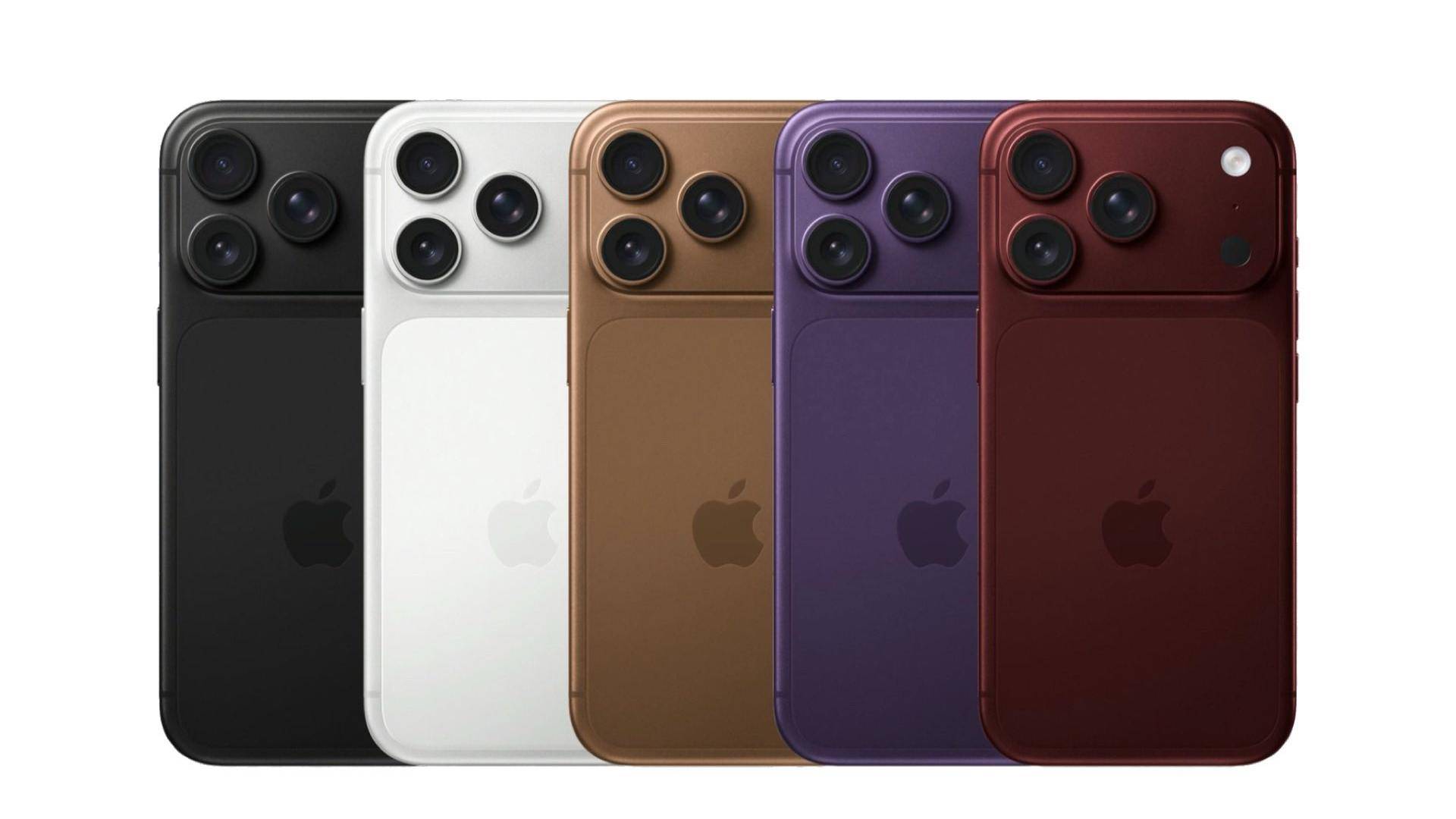
In previous years, we only saw minor, incremental upgrades. But2026 will be completely different.
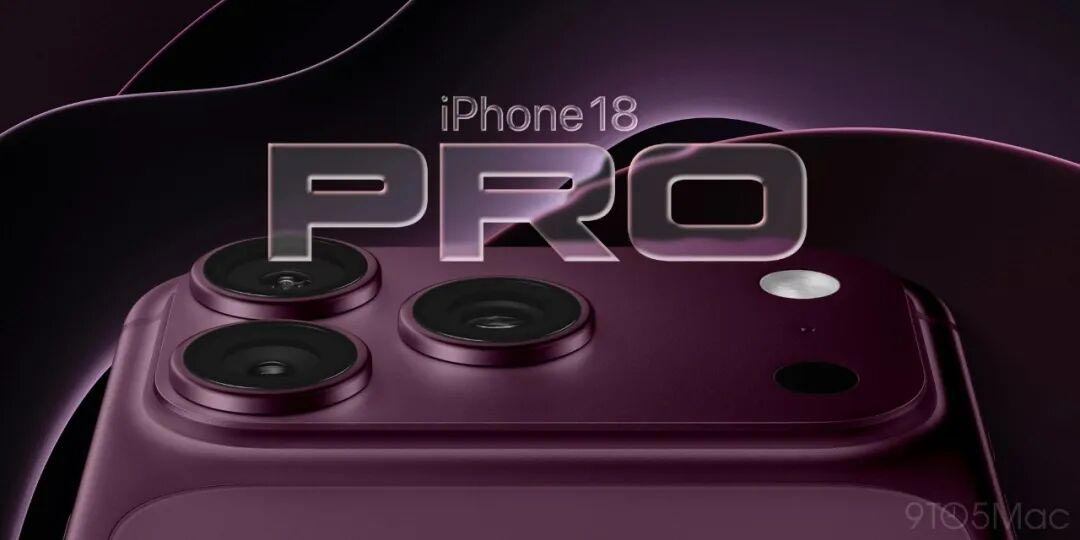
According to recent credible leaks, next month’s Apple event will unveil not only the iPhone 18 Pro and 18 Pro Max, but also Apple’s long-awaited first foldable iPhone after years of rumors.
Here is a key update you need to know: there will be no standard iPhone 18 this fall.
Officially, Apple is adjusting its product lineup. In reality, memory chip shortages have forced delays for the standard model.
Affordable models including the iPhone 18e and the next-generation iPhone Air will also be postponed until next year.
To put it simply: If you want a new iPhone this year, you either splurge on the high-end flagship or wait until next year.
I’ve sorted out all the latest and most reliable leaks to break down every major upgrade coming to Apple’s new devices.
1. Apple’s First Foldable iPhone Officially Confirmed: iPhone Ultra (Not iPhone Fold)
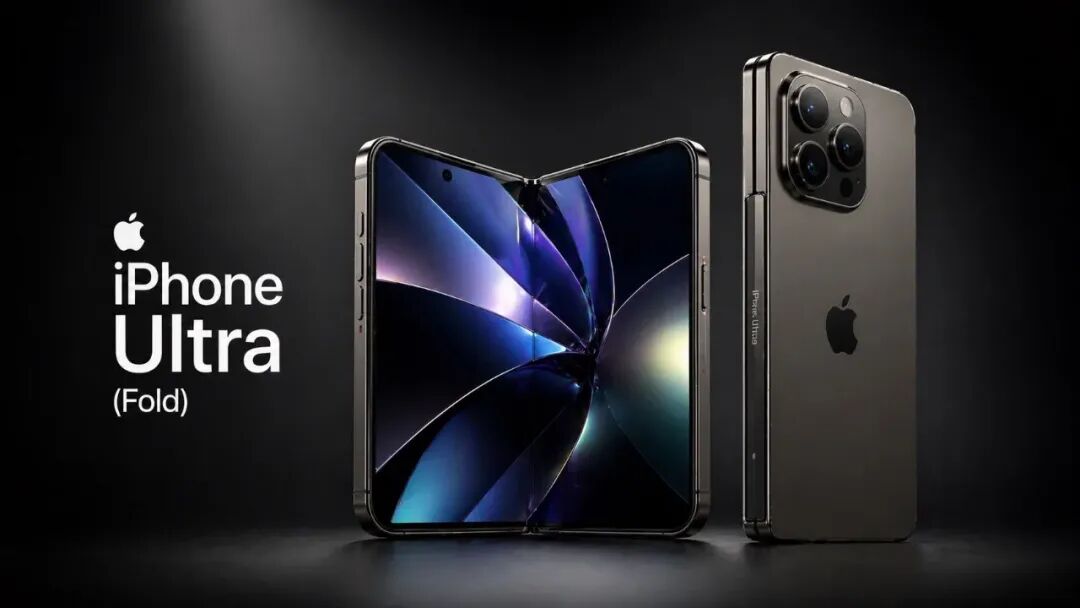
The widely rumored name “iPhone Fold” is likely incorrect.
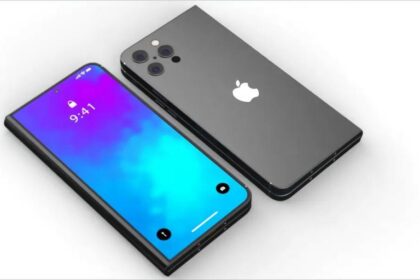
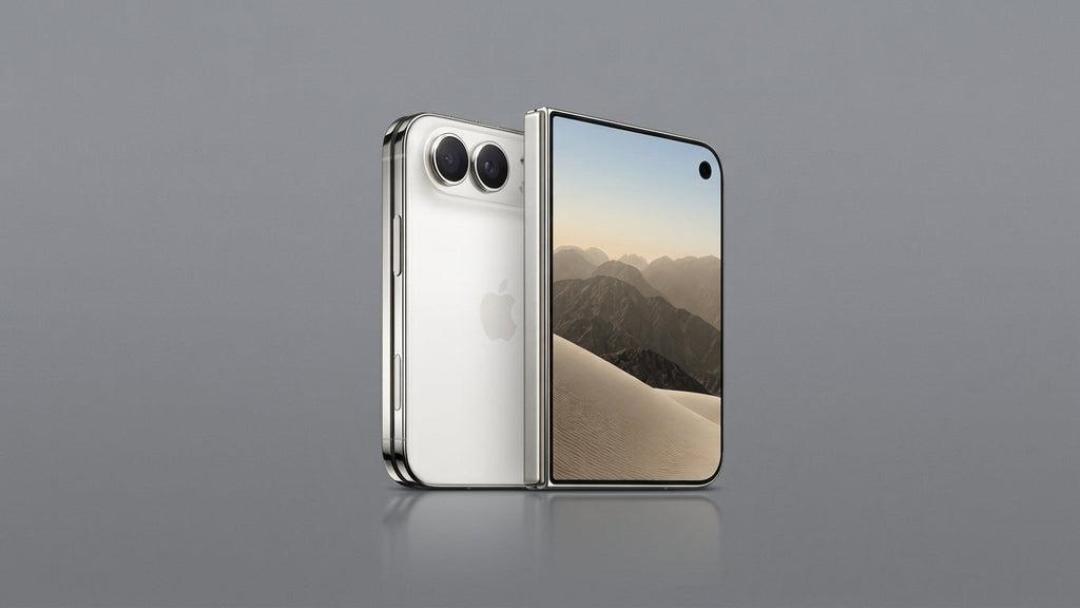
According to the latest foreign media and supply chain sources, Apple’s internal official name is iPhone Ultra, marking the brand’s very first foldable smartphone.
While the official name is yet to be announced, the overall design and screen sizes are basically confirmed.
It adopts an inner fold design, similar to the Samsung Galaxy Z Fold series:
✅ Cover screen: 5.4–5.5 inches, works as a regular smartphone for daily use
✅ Main unfolded screen: 7.8 inches, almost the same size as an iPad mini
In one sentence: Folded, it’s an iPhone; unfolded, it’s a small tablet.
It’s fair to say Apple has long delayed its foldable release.
Samsung has iterated its foldables up to the Z Fold8, while Apple spent years polishing its first foldable device. Still, slow development has its advantages — Apple always prioritizes mature design before official launch.
The biggest highlight of the iPhone Ultra: nearly invisible fold crease.
Equipped with a brand-new liquid metal hinge and upgraded specialized glass, the device features a visually negligible crease, fixing the biggest pain point of foldable phones.
It also achieves an ultra-slim body, measuring merely 4.5mm when fully unfolded for an excellent hand feel.
However, the ultra-thin design brings inevitable hardware compromises:
❌ Triple camera system removed, replaced with a dual-camera setup, telephoto lens canceled
❌ Laser Face ID abandoned, returning to power-button integrated Touch ID fingerprint unlock
❌ MagSafe wireless charging likely unsupported
Trade-offs are unavoidable to achieve a slim and lightweight body. Even so, the return of physical fingerprint unlock is a nostalgic upgrade for long-term Apple fans.
Now for the most concerning part — the price tag is extremely high.
Thanks to its brand-new hinge structure, component shortages and massive R&D costs for Apple’s first foldable, foreign media predicts:
💰 Starting price exceeds $2000 globally, with the Chinese market price breaking 15,000 RMB
It is undoubtedly the most expensive iPhone in Apple’s history.
2. iPhone 18 Pro / 18 Pro Max: Major Upgrades Across the Board
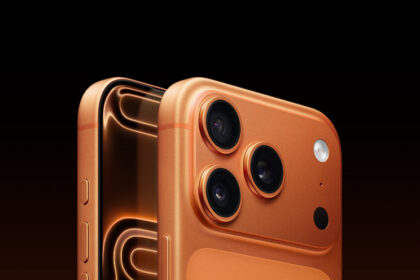
This year’s Pro models deliver substantial upgrades instead of minor tweaks, including 2nm chip, streamlined Dynamic Island, variable aperture, in-house C2 baseband and a massive battery boost.
① First-ever 2nm A20 Pro Chip
The entire iPhone 18 Pro lineup is powered by the brand-new A20 Pro chip, built on TSMC’s 2nm process and paired with 12GB RAM.
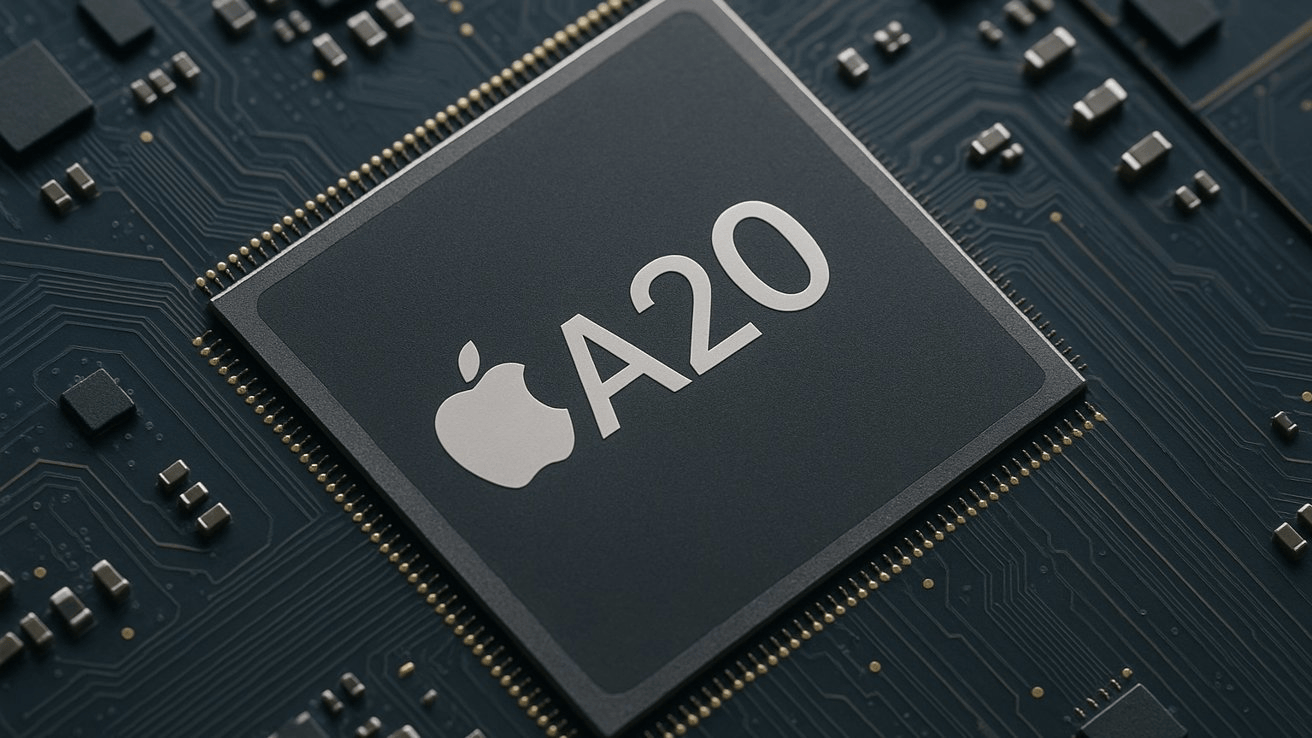
This marks Apple’s first entry into the 2nm era. Compared with the previous generation:
✅ Moderate performance improvement with higher benchmark scores
✅ Lower power consumption and more consistent battery life
✅ Greatly optimized on-device AI capabilities
Overall fluency and intelligent functions will see noticeable improvements.
② Compact Dynamic Island with a More Integrated Look
Apple finally fixes the bulky Dynamic Island flaw.
By moving part of the Face ID components under the screen, the new Dynamic Island is significantly smaller, delivering a more cohesive screen visual experience without abrupt visual obstruction.
③ Variable Aperture Main Camera
After years of adoption on Android devices, variable aperture finally debuts on iPhones.
The 48MP main camera on the iPhone 18 Pro supports physical variable aperture, adjusting light intake and depth of field flexibly for more versatile photography.
To be objective, the imaging improvement is not revolutionary due to the limited phone body size. It is a practical and worthwhile upgrade overall.
④ Self-developed C2 Baseband: Signal Quality Expected to Improve
Apple has been striving to reduce its reliance on Qualcomm basebands.
The iPhone 18 Pro series adopts the second-generation in-house C2 modem, featuring low power consumption and higher stability.
With fine-tuned optimization, the long-standing iPhone poor signal issue may finally be resolved.
⑤ Historic Battery Upgrade
While Apple used to offer trivial battery upgrades, 2026 brings a huge breakthrough.
A credible leaker released real battery photos of the iPhone 18 Pro Max, confirming a large capacity of5391mAh.
Compared with the previous 4823mAh model, the capacity increases by over 500mAh — the biggest battery upgrade in recent years, greatly making up for iPhone’s battery life shortcomings.
3. Full Price Hike: New iPhones Are Getting More Expensive
All new 2026 iPhones are confirmed to see a price increase.
The core reason: Booming AI industry drives skyrocketing prices of storage and memory chips, sharply raising hardware costs.
According to Wall Street Journal analysis based on TechInsights data, the component cost of the iPhone 18 Pro is much higher than its predecessor, and Apple will pass the cost pressure on to consumers.
Multiple sources confirm a $100 global price increase for all models, equivalent to nearly 1000 RMB higher in the Chinese market.
Chip shortages and rising costs also lead to Apple’s adjusted release strategy:
✅ Fall 2026: Launch high-end profitable models (18 Pro series + iPhone Ultra foldable)
✅ 2027 Release: Launch standard and budget-friendly models
Simply put: Apple prioritizes high-end profit and cutting-edge tech showcases, delaying entry-level models.
Final Thoughts
2026 is Apple’s most transformative year in recent times, featuring the first foldable iPhone, 2nm chip transition, massive battery upgrade and self-developed baseband breakthroughs.
Nevertheless, it also has obvious downsides: higher pricing, delayed entry-level models, and significant hardware compromises for the foldable’s ultra-slim design.
With mature and cost-effective foldable products from domestic Chinese brands and Samsung, it remains to be seen whether Apple’s new foldable can reshape the market after its official launch.
Question: Would you buy the new, pricier iPhone 18 series or Apple’s first foldable iPhone?