Recently, AI hardware in Huqiangbei has indeed heated up again. Terms like AI glasses, AI toys, drones, and AI translators have been popping up frequently. Reports indicate a surge in overseas purchases, a rise in inquiries at booths, and many are hailing AI hardware exports as a new opportunity in the global market.
Having been deeply engaged in the market trends, purchasing, and shipping of digital products, beauty items, and hard currency in Huqiangbei for years, I’ve noticed a clear pattern: the market spawns a new trend every once in a while — previously it was mobile phones, earphones, watches, and smart electric fans; now it’s AI hardware such as AI glasses, AI toys, and drones.
However, for ordinary goods resellers and manufacturers, the hype means little. What truly matters are these practical questions. Rushing in without clarifying them will most likely lead to losses (I have personal experience helping others clear large inventories, so I know this well):
- Can booths secure a stable supply of goods?
- Is there room for profit in the pricing?
- Who will take the goods after they are sourced?
- Who is responsible for after-sales service?
- Can logistics risks be effectively controlled?
I. AI Glasses Are Worth Watching, But Don’t Chase Hype Alone
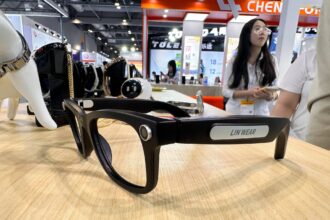
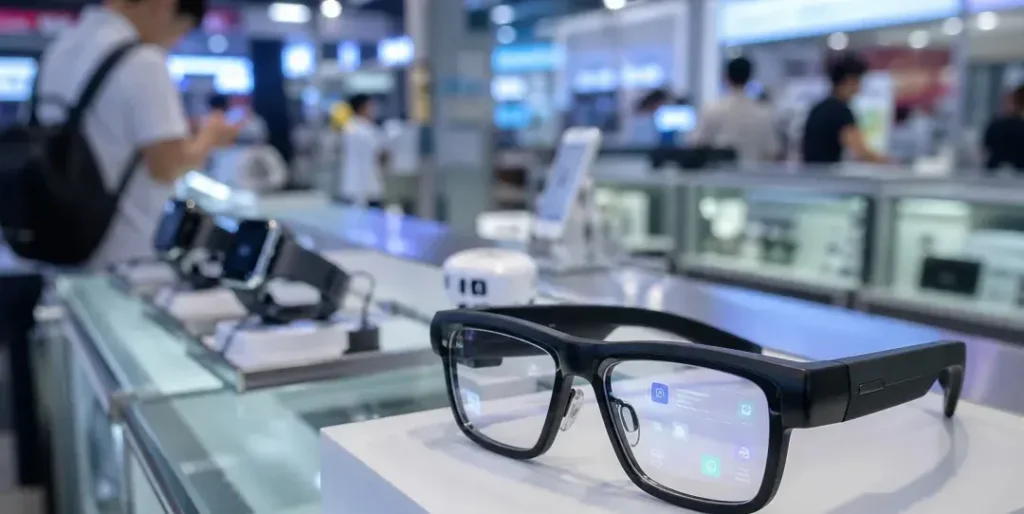
AI glasses are currently the most discussed category in the market, with straightforward selling points: real-time translation, photography, first-person perspective recording, voice interaction, and some models also highlight multi-language support and lightweight design.
Compared to the high prices of smart glasses from major international brands, similar products in Huqiangbei are much more affordable, and their basic functions can meet some usage scenarios — a strong appeal for overseas buyers seeking cost-effectiveness.
But ordinary people should never rush to enter the market just because they hear “AI glasses are booming.” There are far more details to focus on than just the hype:
- Are the models stable, or do they iterate frequently?
- How is the wearing experience — is it comfortable and not nose-pinching?
- How accurate is the translation, and are there obvious errors?
- Is the supporting app smooth, or does it freeze or crash?
- Are the overseas language packs complete and adapted to target markets?
- Who handles after-sales service, and how to claim rights if problems arise?
My suggestion is: AI glasses are worth paying attention to, but a safer approach is to first check samples, review user feedback, and confirm the existence of real shipping channels before deciding to enter the market.
II. AI Toys Are Growing Rapidly, But Product Selection Is Key
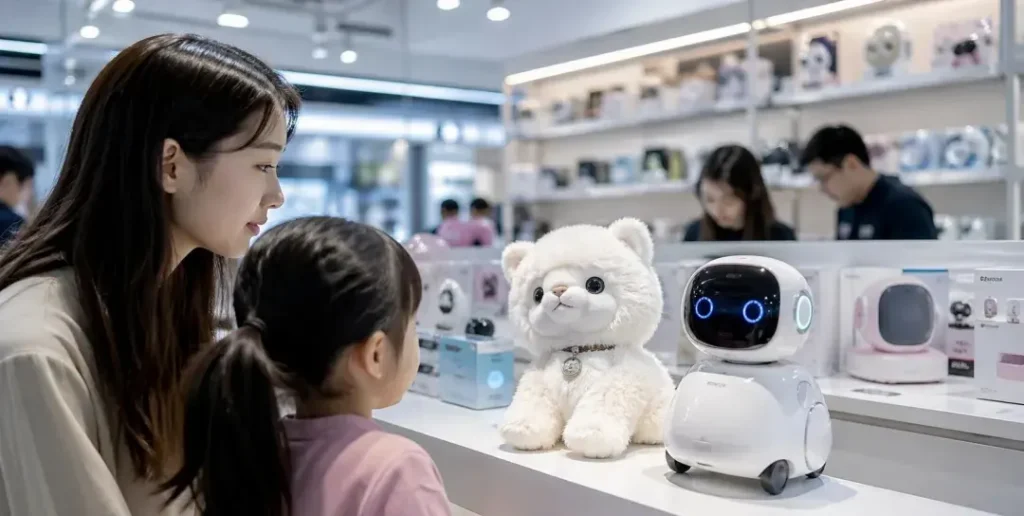
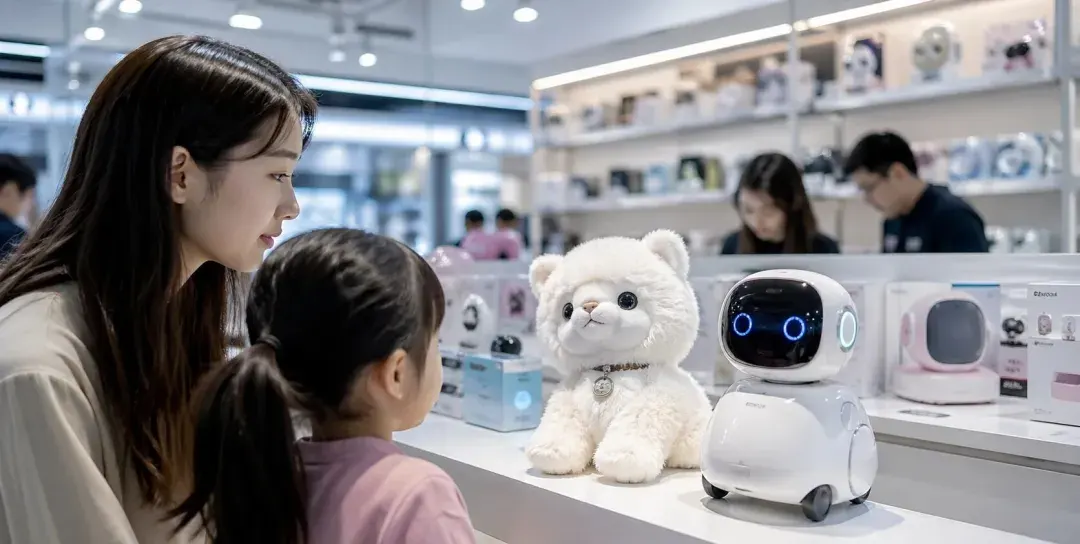
Smart plush toys, AI companion toys, pet robots, and children’s programming toys — these AI toys have an advantage: they are not as difficult to explain as complex hardware. Parents buy them for kids, young people for gifts, and overseas channels can easily promote them through content display, leading to rapid growth.
However, it’s important to note that AI toys are not ordinary toys. They involve multiple dimensions such as speech recognition, multi-language adaptation, internet connectivity, supporting apps, battery safety, and children’s usage scenarios. For exports, they also involve product certification, multi-language manuals, after-sales returns and exchanges, and a series of other issues.
Therefore, the core of doing AI toy business is not chasing hype, but focusing on these points: whether there are stable models, whether there are repeat purchase channels, whether there is after-sales capability, and whether small-batch market testing is possible. If you only take a small number of samples for testing, you can try cautiously; but hoarding large quantities from the start requires careful consideration.
III. Drones Have Steady Demand, But With Higher Thresholds
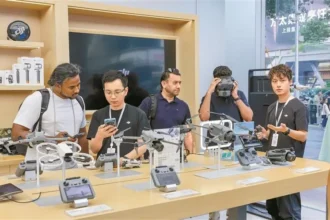
The drone category has long had a foundation in Huqiangbei, covering products at different price points — from entry-level aerial photography models and children’s toy drones to advanced obstacle-avoidance models and high-definition shooting models — with consistent market demand.
However, drones have a much higher threshold than other AI hardware. Price advantage alone is not enough; they involve multiple key links: flight control stability, battery life, lens clarity, remote control distance, battery transportation safety, after-sales maintenance, and regulatory requirements in different regions (some regions require qualification certification).
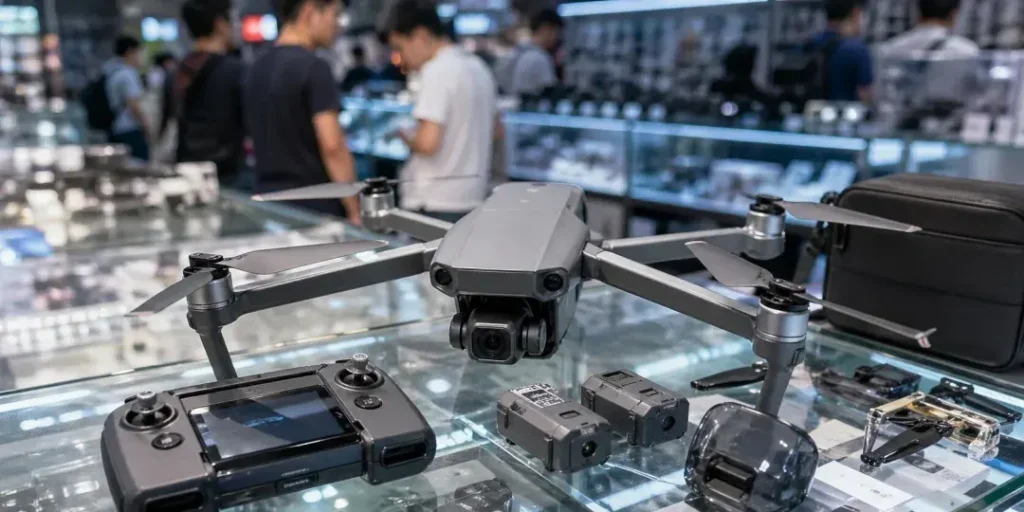
Therefore, drones are more suitable for people with fixed channels, stable customers, and the ability to undertake after-sales service. Ordinary goods resellers who know nothing about this category are not advised to rush in blindly.
IV. Watch the Hype, But Don’t Hoard Goods Recklessly
Huqiangbei’s core strength has never been that a single product remains popular forever, but its rapid supply chain response capability:
- When there is market demand, someone immediately connects with solutions;
- When customers want to modify the appearance, someone quickly links up with factories;
- When overseas customers need multi-language adaptation, someone promptly debugs the software.
If a product sells well, versions with different prices, appearances, and functions will soon follow — this is the characteristic of Huqiangbei’s supply chain. People in the goods business all understand one truth: hype does not equal profit.
The real logic of making money is: having hype, but also having channels; having channels, but also having price advantages; having price advantages, but also being able to ship smoothly; being able to ship, but also being able to control after-sales and various risks. In the end, business is not about chasing trends, but about the efficiency of goods circulation.
V. How Should Ordinary Goods Resellers Participate Now?
My personal suggestion is: don’t take AI hardware as your main focus from the start. For ordinary people, the safer choice currently is hard currency with transparent prices, fast circulation, and little controversy:
- Brand-new iPhones and brand-new domestic smartphones
- International first-tier beauty products
- Hong Kong medicines and milk powder
- Moutai and other alcoholic beverages
- Video game hard currency
These categories have clear price lists, mature market rules, and it is easier to judge the price difference, with relatively lower risks. A safer operation method is: continue to focus on high-circulation categories such as brand-new digital products, beauty products, Hong Kong medicines, and milk powder as your main business; for new categories like AI glasses, AI toys, and drones, first take small batches of samples, inspect channels, collect feedback, and then decide whether to increase investment.
VI. My Final Judgment
The export of AI hardware from Huqiangbei is indeed a direction worth paying attention to, and more new products will surely be launched in the future. However, for ordinary goods resellers, the most important thing now is not to rush to switch tracks, but to first stabilize their existing main business and do these things well:
- Understand price charts and grasp market trends;
- Calculate the actual platform到手 price clearly to avoid losses;
- Confirm Huqiangbei’s recycling price to lock in a safety net;
- Verify the price difference to ensure profit space;
- Confirm the model, version, packaging, and activation status before shipping to avoid sending the wrong goods;
- Settle according to the actual inspection results after receipt to avoid disputes.
Hype can be watched, but business ultimately boils down to two key words: “market trends and circulation.” With clear market trends, you know whether it’s worth placing an order; with smooth circulation, you know whether you can really make money.
Therefore, AI hardware can be watched, but don’t rush in blindly — first check the market trends, then the price difference; first check the channels, then the shipping capacity; first clarify the risks, then decide whether to proceed.