
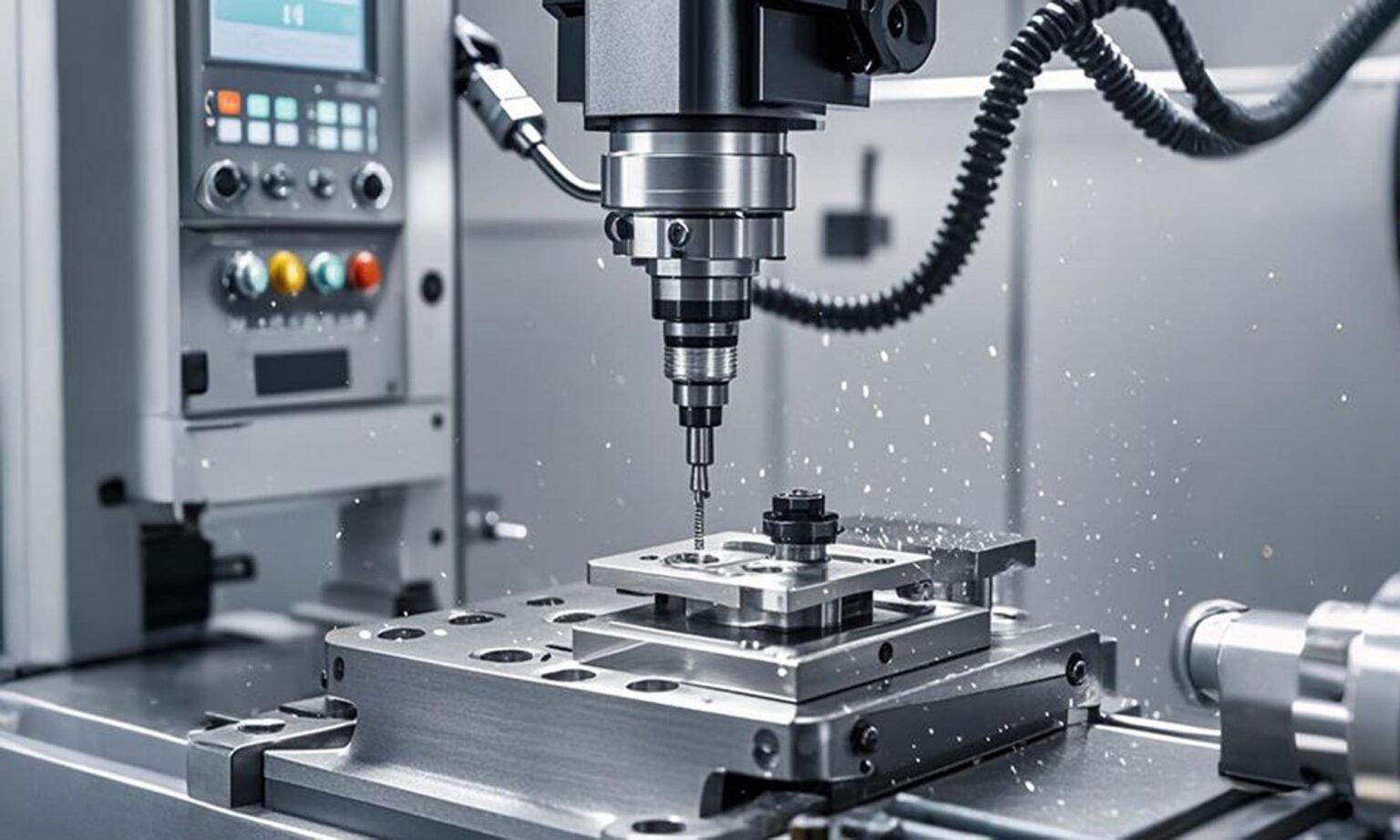
Hello, fellow colleagues engaged in intelligent manufacturing, mold, and 3C processing~ Whether you are a novice just getting started with CNC engraving machines or a veteran with years of experience, you must have encountered various trivial but crucial problems in the processing process — such as tool breakage, low processing efficiency, unexplained equipment damage, or even confusing the difference between engraving processing and milling processing.
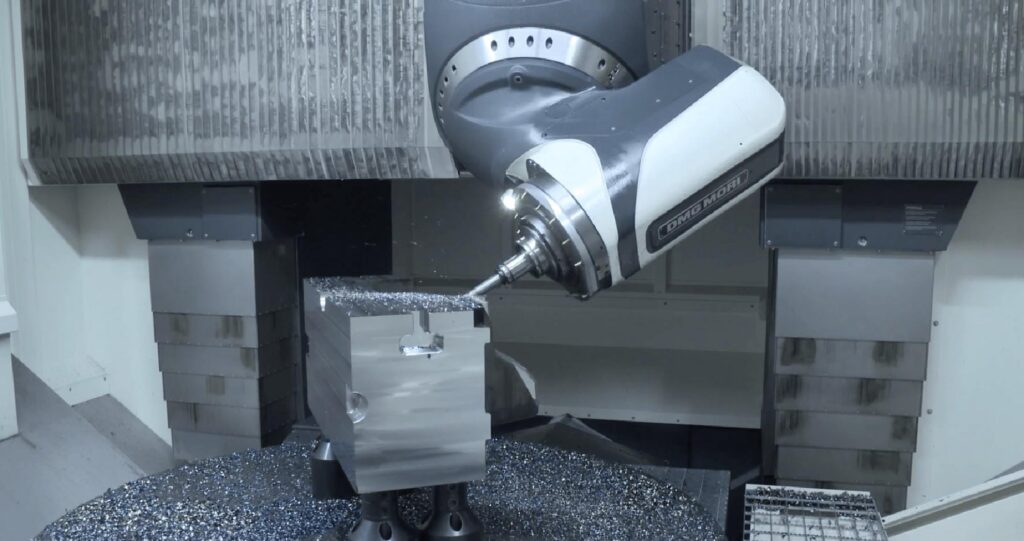
Today, I will sort out the 22 most commonly used and easy-to-step-on-pit common sense in CNC engraving machine processing at one time. From basic differences to practical details, from tool use to equipment protection, it’s full of useful information without redundancy. Save it and refer to it directly during processing to avoid many detours!
Let’s start with a brief popular science: CNC engraving machines focus on small-tool finishing, with milling, grinding, drilling and high-speed tapping capabilities. They are widely used in 3C industry, mold industry, medical industry and many other fields. Precision and efficiency are their core advantages, but to give play to these advantages, you must thoroughly understand the following common sense👇
I. Basic Cognition: Understand Core Differences and Avoid Cognitive Misunderstandings
Many novices stumble on “concept confusion” when they start, such as confusing engraving processing with milling processing, or mistakenly thinking that engraving machines can replace EDM (Electrical Discharge Machining). These misunderstandings must be avoided in advance!
1. What is the main difference between CNC engraving processing and CNC milling processing?
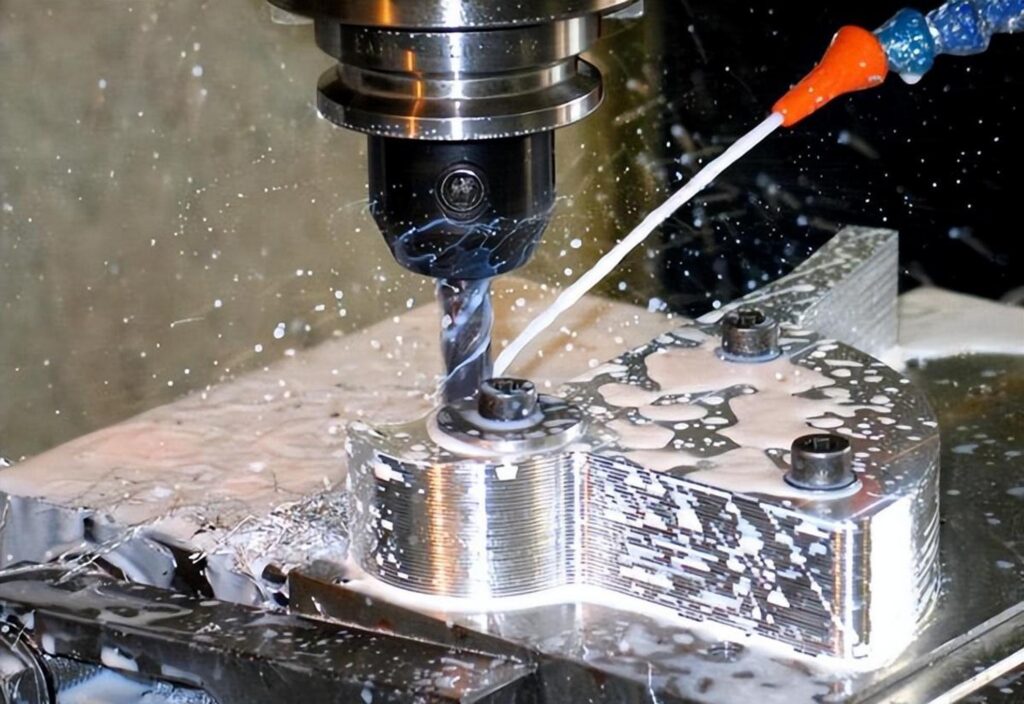
Both core principles are milling processing, and the most critical difference lies in tool diameter:
– CNC milling processing: Common tool diameter ranges from 6 to 40 mm, focusing on medium and large-scale cutting;
– CNC engraving processing: Common tool diameter ranges from 0.2 to 3 mm, focusing on small-scale and precision cutting.
2. Can CNC milling only do rough machining, and CNC engraving only do finishing?
This is the most common misunderstanding! First, it should be clear: rough machining, semi-finishing, and finishing are concepts of “process stages”, which are not absolutely bound to the type of equipment.
– CNC milling processing: It can do both “heavy cutting” (rough machining) and “light cutting” (finishing);
– CNC engraving processing: Limited by tool diameter, it can only do light cutting processing and cannot undertake heavy cutting tasks.
3. Can CNC engraving processing do rough machining of steel materials?
Not recommended! The maximum cutting capacity of CNC engraving processing is determined by the tool used (small tool diameter). If the mold shape allows the use of tools with diameter exceeding 6 mm, it is recommended to first complete the rough machining with CNC milling, and then use engraving processing to remove the remaining materials, which is both efficient and can protect the tool.
Can a CNC machining center with an speed increaser replace an engraving machine?
No! Such modified products appeared in exhibitions a few years ago, but they cannot actually complete engraving processing. The core reasons are: the overall structure and tool adaptation range of CNC machining centers are designed according to their own processing needs, not optimized for engraving processing; moreover, many people mistakenly regard “high-speed electric spindle” as the only core of engraving machines, ignoring the key characteristics of engraving machines such as precise control and small tool adaptation.
5. Can CNC engraving processing replace EDM?
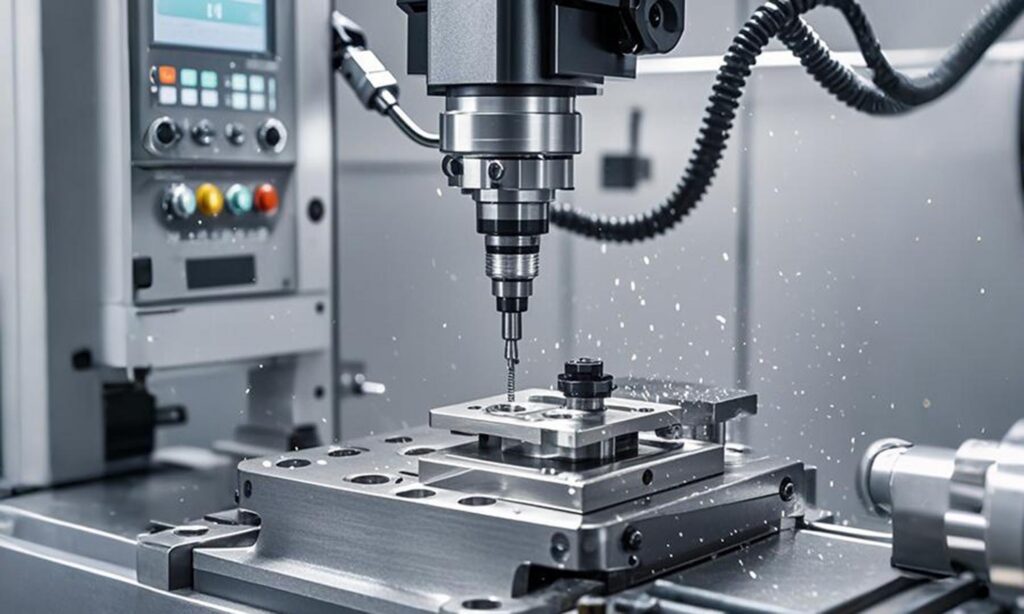
It cannot be completely replaced! Although engraving processing has narrowed the tool diameter range of milling processing, small molds that could only be processed by EDM can now be realized by engraving processing, but both have obvious limitations:
– CNC engraving processing: The tool length/diameter ratio is generally about 5:1, and small-diameter tools can only process shallow cavities;
– EDM: There is almost no cutting force, and as long as the electrode can be made, cavities of any depth can be processed.
II. Core Influence: Which Factors Determine the Quality and Efficiency of Engraving Processing?
CNC engraving processing is a complex systematic project. Any problem in any link will affect the processing effect, tool life and even equipment safety. These 6 core factors must be focused on.
6. What are the core factors affecting engraving processing?
It is mainly divided into 7 categories, all of which are indispensable: machine tool characteristics, tool quality, control system, material characteristics, processing technology, auxiliary fixtures, and surrounding environment. Among them, tools and control systems are the most easily ignored and most influential links on processing effect.
7. What are the requirements of CNC engraving processing for the control system?
First of all, CNC engraving processing is essentially milling processing, so the control system must have basic milling processing control capabilities; secondly, aiming at the particularity of small tool processing, it also needs to meet two core requirements:
1. Equipped with feedforward function: Decelerate in advance along the path to reduce the frequency of small tool breakage (small tools have weak rigidity, and sudden speed change is very easy to cause breakage);
2. Adaptive speed regulation: Automatically increase the feeding speed in smooth path sections to balance processing efficiency and processing precision.
8. Which characteristics of materials will affect engraving processing?
There are 3 core influencing factors: material type, hardness, and toughness. The specific rules are very simple, remember these points:
– The higher the hardness and viscosity, the greater the processing difficulty;
– The more impurities in the material and the higher the hardness of particles, the worse the machinability;
– Metal materials: The higher the carbon content and alloy content, the worse the machinability;
– Non-metallic materials: The higher the content of non-metallic elements, the better the machinability (but the content of non-metallic elements in materials is usually strictly controlled).
9. Which materials are suitable for CNC engraving processing? (With Pitfall Avoidance List)
No need for blind trial and error, directly refer to this list to select materials, and double the efficiency:
– Suitable materials for processing:
Non-metallic: Acrylic, resin, wood, etc.;
Metal: Copper, aluminum, soft steel with hardness less than HRC40;
– Materials not suitable for processing:
Non-metallic: Natural marble, glass (high hardness, easy to crack);
Metal: Quenched steel (too high hardness, easy to damage tools).
10. How does the tool itself affect processing, and how to avoid it?
Tools are the “core tools” of engraving processing, and their quality directly determines the processing effect and cost. Focus on 3 dimensions: tool material, geometric parameters, and grinding technology. The specific precautions are as follows:
1. Tool material: Carbide tools (powder alloy) are commonly used for engraving processing. The smaller the average diameter of the powder, the more wear-resistant the tool and the higher the service life;
2. Tool sharpness: The higher the sharpness, the smaller the cutting force, the smoother the processing and the better the surface quality, but the lower the service life. It needs to be adapted according to the material:
– Processing soft and sticky materials (such as red copper): Choose a sharper tool;
– Processing materials with higher hardness: Reduce sharpness and improve service life (but not too blunt, otherwise the cutting force will be too large, which is easy to cause tool breakage);
3. Grinding technology: The key lies in the mesh number of the finishing grinding wheel. The higher the mesh number, the finer the cutting edge and the smoother the flank surface can be ground, which can not only improve the tool service life but also improve the processing surface quality.
What is the tool life formula and its influencing factors?
Tool life is mainly for the processing of steel materials. The core empirical formula (just remember the key points):
(T = tool life, CT = life parameter, VC = cutting speed, f = feed per tooth per revolution, P = depth of cut).
Among them, cutting speed (VC) has the greatest impact on tool life; in addition, tool radial runout, grinding quality, material and coating, and cutting fluid also directly affect tool service life.
III. Practical Protection: Equipment + Tool Protection to Reduce Loss and Improve Efficiency
Many colleagues ignore “daily protection”, leading to equipment failures and excessive tool loss, which in turn increases production costs. These practical details must be developed into habits.
12. Protection Points of CNC Engraving Machine Tools (8 Must-remember Items)
Equipment is the foundation of processing. Doing these 8 points well can greatly extend the service life of equipment:
1. Protect the tool setter: Avoid excessive contact with oil stains to prevent damage to precision;
2. Control flying chips: Flying chips can cause short circuits in the electric control cabinet and wear the lead screw and guide rail. The main parts of the machine tool should be sealed during processing;
3. Operate the lighting lamp: Do not pull the lamp head when moving to prevent damage to the lamp body;
4. Processing safety: Do not approach the cutting area for observation (to prevent flying chips from hurting eyes), and it is forbidden to operate on the workbench when the spindle is rotating;
5. Open and close the machine tool door: Open and close gently. During finishing processing, the impact vibration during door opening will cause tool marks on the processed surface;
6. Spindle speed: Start processing only after the spindle reaches the set speed to avoid the spindle starting too slowly and stalling the motor;
7. Prohibit placing sundries: Do not place tools or workpieces on the machine tool beam;
8. Electric control cabinet protection: Do not place magnetic tools such as magnetic chucks and dial gauge bases on the electric control cabinet to prevent damage to the display.
13. The new tool stalls or feels difficult to process during processing. How to adjust the parameters?
Core reason: The power and torque of the spindle cannot bear the current cutting parameters. The adjustment priority is as follows (no need to adjust the speed blindly):
1. First, re-plan the processing path and reduce the depth of cut, grooving depth, and trimming amount (the most effective way to quickly reduce the load);
2. If the overall processing time is less than 30 minutes, the feeding speed can be appropriately reduced to improve the cutting state.
The role of cutting fluid, don’t ignore it!
In metal processing, cutting fluid is not an “option” but a “must”. It has 3 core roles:
1. Cooling: Take away the cutting heat, reduce the heat transfer to the tool and motor, and extend their service life;
2. Chip removal: Take away flying chips to avoid secondary cutting caused by residual flying chips, which will damage the tool and processing surface;
3. Lubrication: Reduce the cutting force and make the processing more stable. Especially when processing red copper, the use of oil-based cutting fluid can significantly improve the surface quality.
The three stages of tool wear, predict in advance and avoid tool breakage
Tool wear is a normal phenomenon, but the coping methods are different in different stages. Remember these three stages to avoid sudden tool breakage:
1. Initial wear stage: The tool temperature is low, not reaching the optimal cutting temperature. The main wear is abrasive wear, which is most likely to cause tool breakage and needs key attention;
2. Normal wear stage: The tool cutting temperature reaches a reasonable range, the main wear is diffusion wear, the wear amount is small and the speed is slow, which is the main working stage of the tool;
3. Rapid wear stage: The tool wear reaches the limit and fails completely, the cutting force increases sharply, and the tool must be stopped and replaced immediately.
Why do tools need to be run-in? How to run them in correctly?
The core purpose of running-in: Gradually raise the tool cutting temperature to a reasonable range, avoiding the risk of tool breakage in the initial wear stage. Experiments have proved that the service life of the tool after running-in can be increased by more than 2 times!
Correct running-in method: Keep a reasonable spindle speed, reduce the feeding speed by half, and control the running-in time at 5~10 minutes (take about 5 minutes for processing soft materials and about 10 minutes for processing hard metals).
How to judge severe tool wear? (4 intuitive signals)
No professional instruments are needed. You can quickly judge whether the tool is severely worn through these 4 signals:
1. Listen to the sound: There is a harsh abnormal sound during processing;
2. Watch the spindle: The spindle has obvious stalling phenomenon and unstable speed;
3. Feel the vibration: During processing, the machine tool vibration increases significantly, and the spindle shakes severely;
4. Check the effect: The tool marks on the processed bottom surface are sometimes good and sometimes bad (if this happens at the initial stage of processing, it is probably because the depth of cut is too deep, not tool wear).
When to change the tool? Remember this golden time point
Do not wait for the tool to fail completely before changing it. It is recommended to change the tool at 2/3 of the tool life limit and develop the habit of changing the tool regularly:
Example: If the tool is severely worn after 60 minutes, the next processing should start changing the tool at about 40 minutes, which can not only avoid the risk of tool breakage but also maximize the use of tool life.
Can severely worn tools continue to be used for processing?
Absolutely not recommended! After the tool is severely worn, the cutting force will increase to 3 times the normal state, and the service life of the spindle motor is in an “inverse cubic relationship” with the force:
For example, when the cutting force increases by 3 times, processing for 10 minutes is equivalent to using the spindle under normal conditions for 10×3³=270 minutes, which will seriously shorten the spindle life and even cause spindle damage.
How to determine the tool extension length during rough machining?
Core principle: The shorter the tool extension length, the better (the stronger the rigidity, the less likely it is to break or shake), but it also needs to take into account processing efficiency to avoid frequent adjustment of tool length. Specific reference values (novices can follow directly):
– φ3 diameter tool shank: Extend within 5mm for normal processing;
– φ4 diameter tool shank: Extend within 7mm for normal processing;
– φ6 diameter tool shank: Extend within 10mm for normal processing.
If a longer extension length is needed, it is necessary to control the processing depth when the tool is worn, which requires more practical experience accumulation.
IV. Emergency Handling + Parameter Adjustment: Don’t Panic When Encountering Problems, Solve Them Quickly
In the processing process, it is inevitable to encounter sudden situations such as tool breakage and poor rough machining effect. Remember the following coping methods to stop losses quickly and reduce losses.
21. What to do if the tool breaks suddenly during processing? (4 steps to solve it)
Tool breakage is not terrible. The key is to handle it correctly to avoid secondary damage:
1. Stop the tool immediately: Stop the current processing and record the current processing sequence number to facilitate subsequent processing;
2. Clean up the broken tool: Check the broken tool area and take out the residual tool body (to avoid the residual tool body scratching the workpiece or damaging the new tool during subsequent processing);
3. Analyze the cause (the most critical): The core of tool breakage is the sudden increase of tool force. Investigate from these dimensions: whether the processing path is reasonable, whether the tool shake is too large, whether the material has hard blocks, and whether the spindle speed is correct;
4. Continue processing: Replace with a new tool. If the path is not re-planned, start processing from the previous sequence number of the original sequence number, and reduce the feeding speed at the same time (the material at the broken tool area is easy to harden, and the new tool needs to be re-run-in).
The rough machining effect is poor. How to adjust the processing parameters? (Priority + Notes)
If the spindle speed is reasonable but the tool life still cannot be guaranteed, the priority of parameter adjustment is: depth of cut > feeding speed > side feeding amount, and pay attention to 2 key points:
1. The adjustment of depth of cut is limited: It cannot be too small (minimum not less than 0.1mm), otherwise there will be too many layers. Although the theoretical cutting efficiency is high, the actual processing efficiency is affected by other factors, resulting in lower overall processing efficiency;
2. If the effect is still not good after adjusting the depth of cut, it is recommended to replace with a smaller diameter tool, which can improve processing efficiency and quality instead.
Final Summary
For CNC engraving machine processing, “details determine success or failure” — whether it is the basic concept distinction, equipment protection and tool use in practice, or emergency handling of sudden situations, every common sense can help us reduce losses and improve efficiency.
Novices can start with basic cognition and tool use, and gradually accumulate practical experience; veterans can check the pitfall points in processing and optimize processing parameters by referring to these common sense.