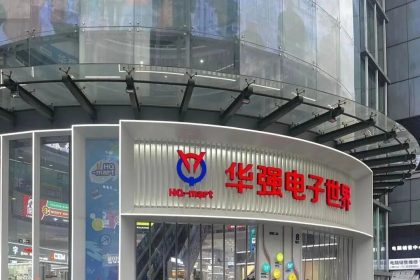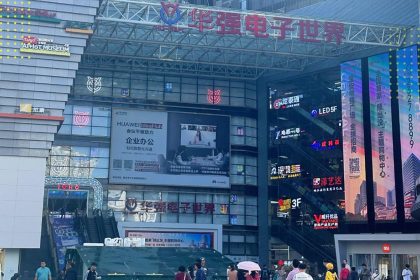
I have lived in Shenzhen for ten years, but this was my first time thinking about visiting Huaqiangbei.
Before setting off, I specially asked a local friend: How long does it take to wander around Huaqiangbei alone?
The friend hesitated a little and first asked me in return: “You mean that place selling electronic products, right?” I nodded, and he immediately replied: “I haven’t been there for nearly ten years.”
Hearing this, I couldn’t help but doubt whether he was really a native of Shenzhen.
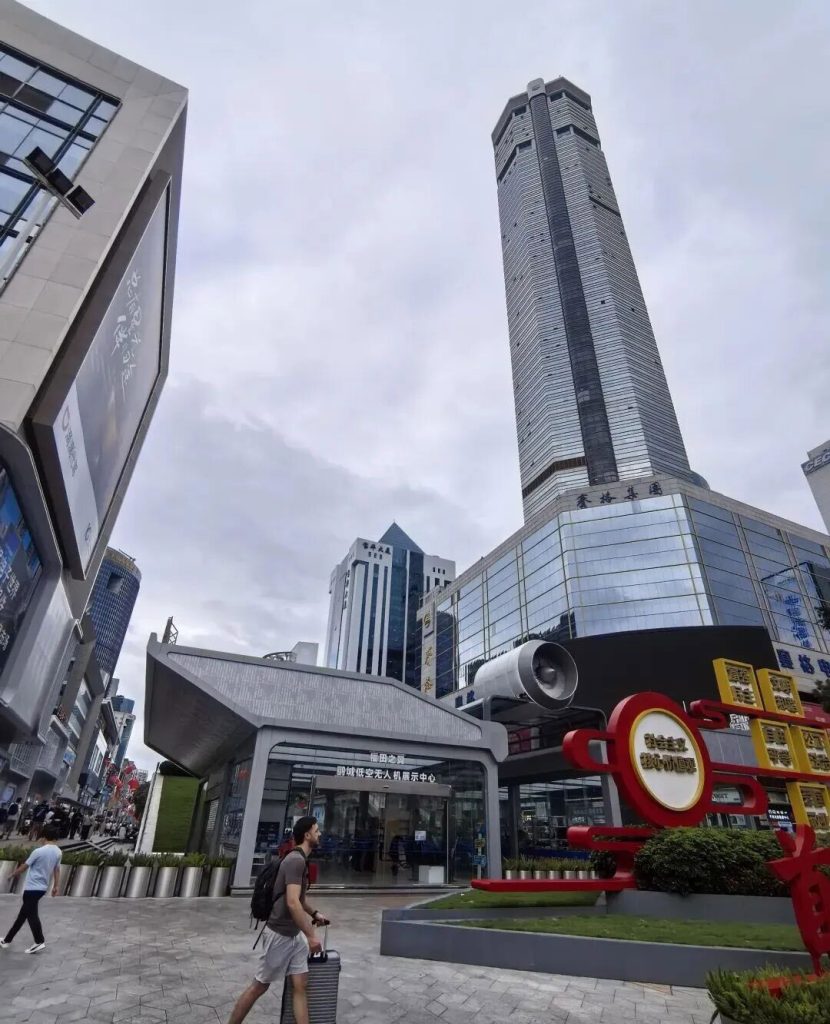
Huaqiangbei in the South: More Than Just a Street
A folk saying has long been circulating: “Zhongguancun in the north, Huaqiangbei in the south”.
If you work in the electronic products industry, you must have heard its reputation as “China’s No.1 Electronics Street”. For decades, Huaqiangbei has been the most concentrated, authoritative and pioneering hub for electronic commerce in China.
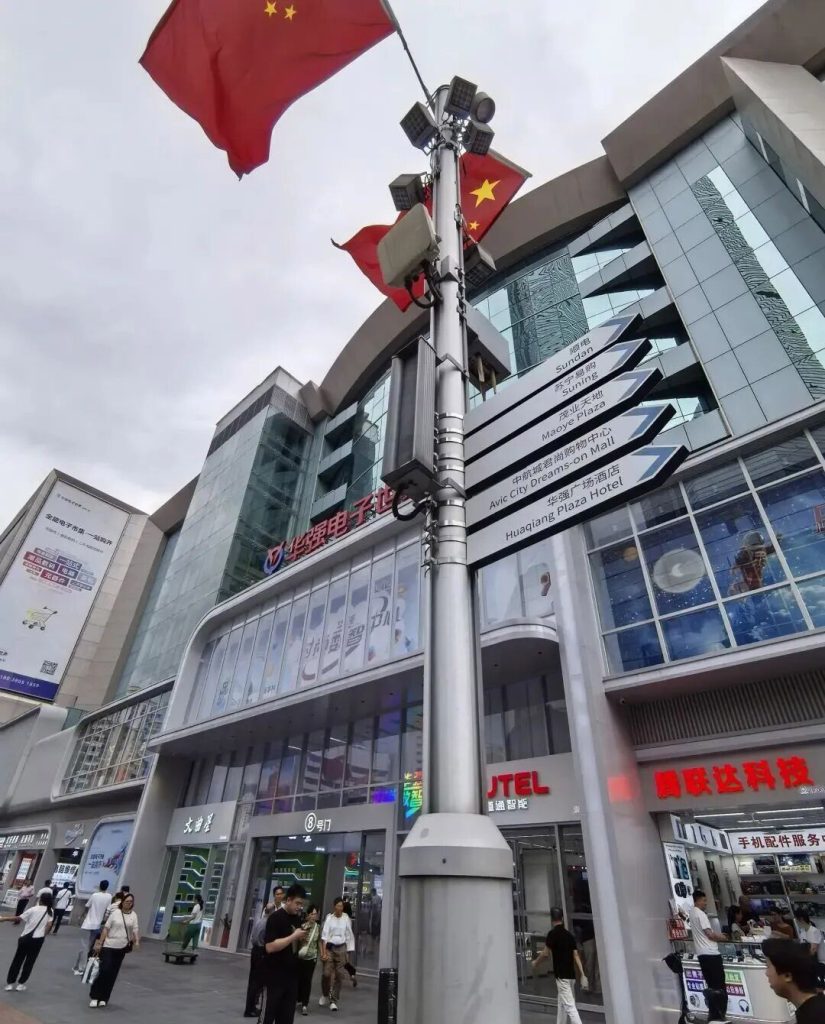
Huaqiangbei is both a street and a commercial district.
- As a street, it is a 70-meter-wide long thoroughfare, lined with iconic buildings such as Huaqiang Electronics World, SEG Plaza, Electronic Component Procurement Center, Window of the Modern World and Maoye Building on both sides;
- As a commercial district, it extends outward with the main street as the core, covering a vast area from Shangbu Middle Road in the east to Huafu Road in the west, and from Hongli Road in the north to Shennan Road in the south.
Founded in 1988, Huaqiangbei originated as an industrial zone specializing in the production of electronic, communication and electrical equipment. After decades of continuous development, it now gathers dozens of industries including electronics, electrical appliances, communications, watch accessories, clothing, general merchandise, gold jewelry, banking and securities, real estate and hotels, making it a veritable “Shenzhen Characteristic Cultural Block”.
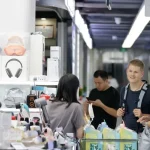
On this street mainly dealing in computers, mobile phones, headphones, audio equipment, sound cards and live streaming gear, experience stores and flagship stores of numerous brands such as Huawei, Xiaomi, vivo, Apple, Lenovo, Dell and HP can be seen everywhere.
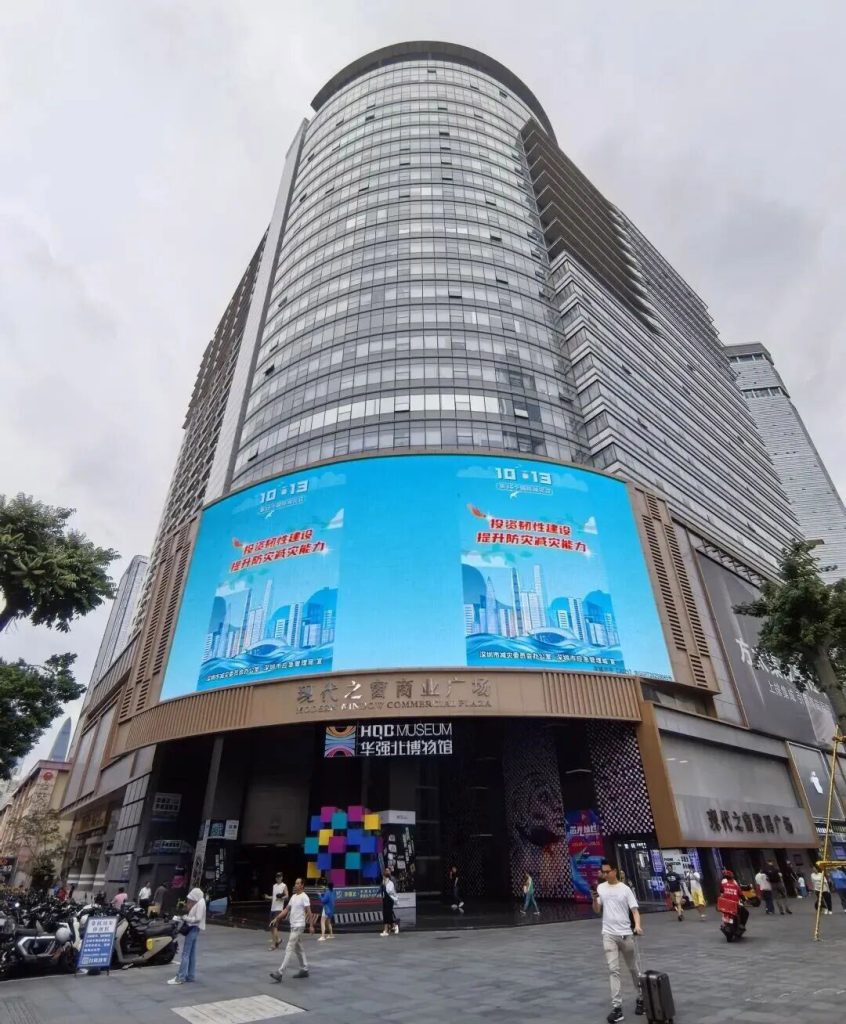
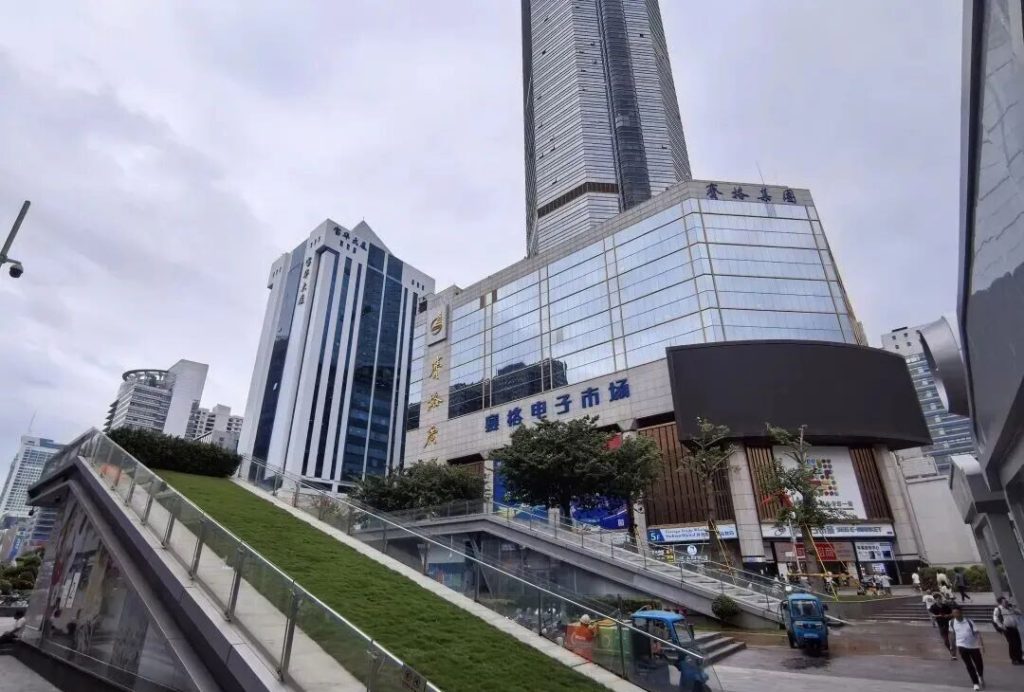
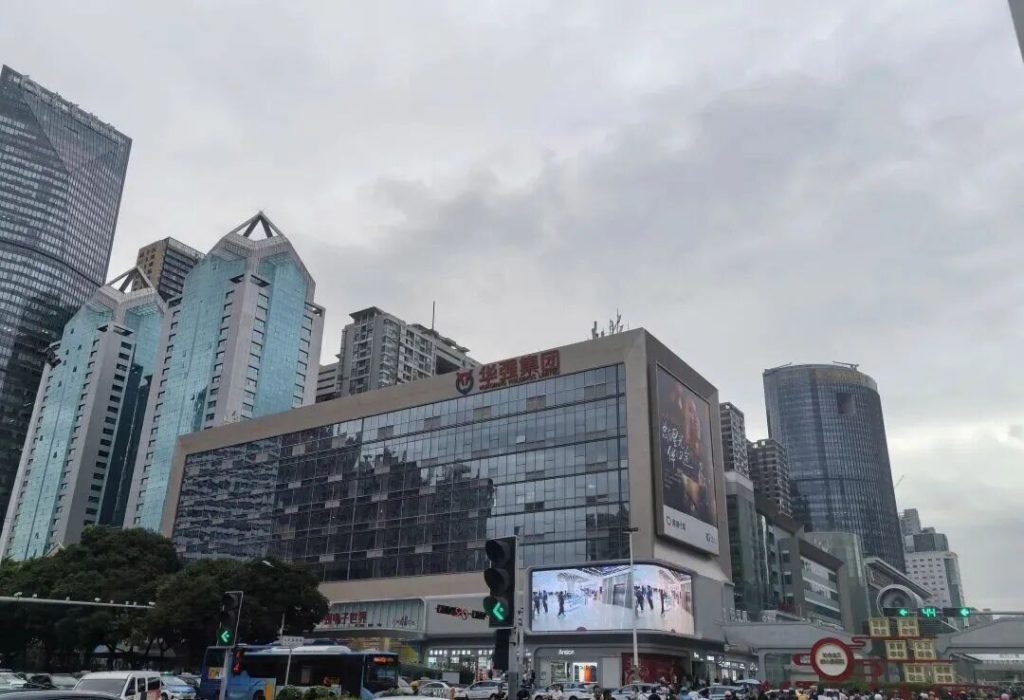
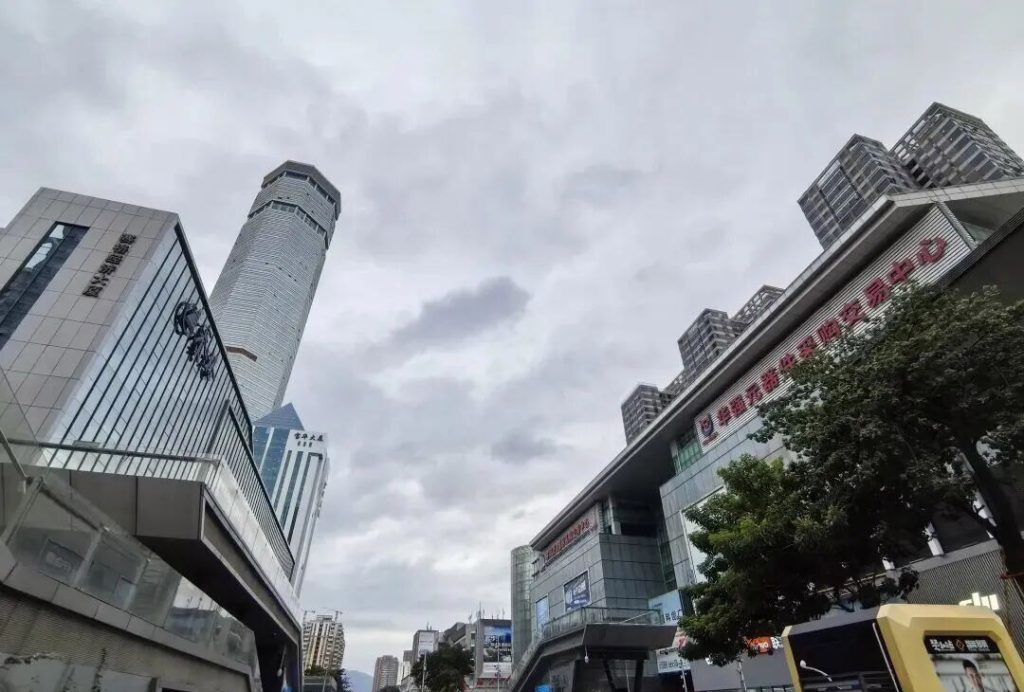
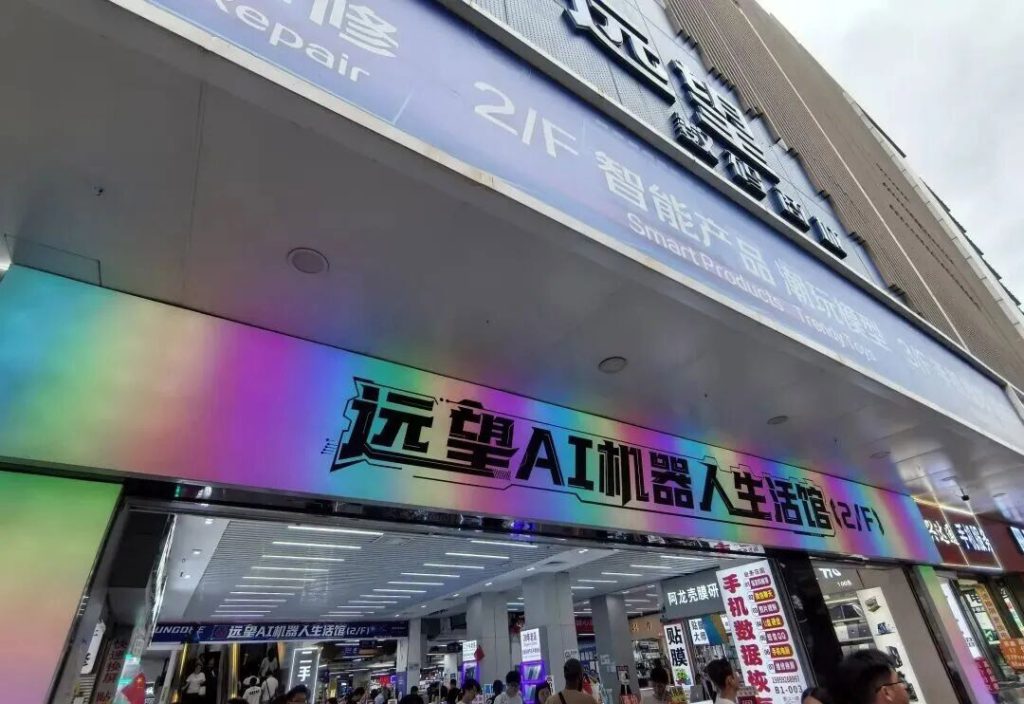
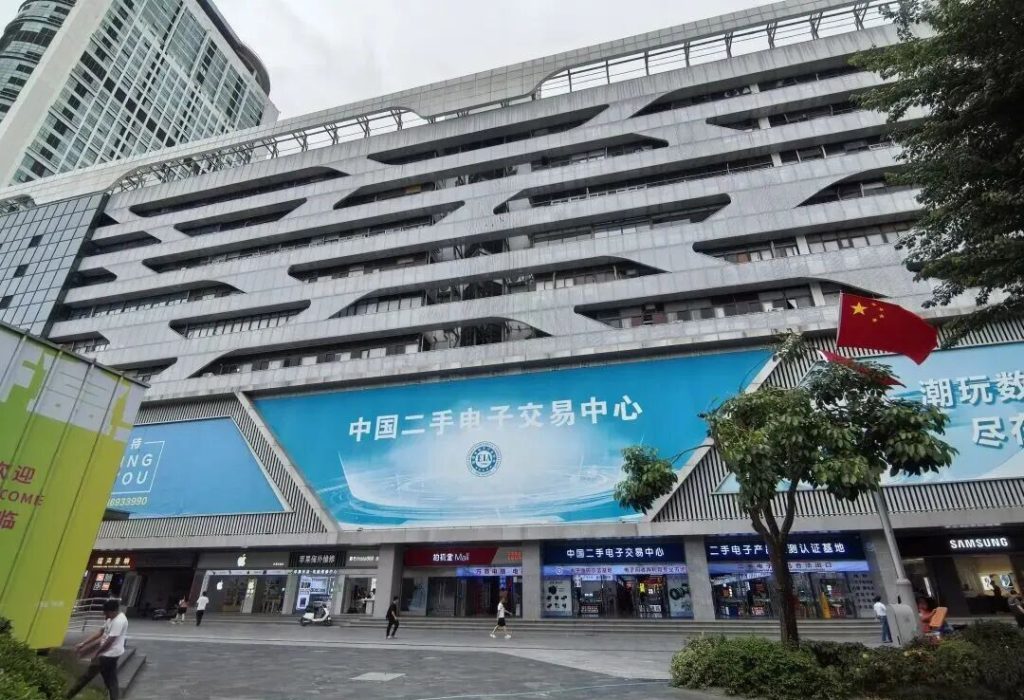
In addition, there are brand electronic procurement and trading zones, trendy electronics streets, Huaqiang Photographic Equipment City, computer DIY sections, Huaqiang LED Trading Center and Huaqiang Electronic Component Procurement and Trading Center. Almost all kinds of electronic products used in daily life can find their place here.
The underground food street, Longsheng Accessories City and Huaqiangbei Museum are also popular destinations favored by tourists and merchants alike.
Wandering in Huaqiangbei: Two Kinds of Paces, One Kind of Vitality
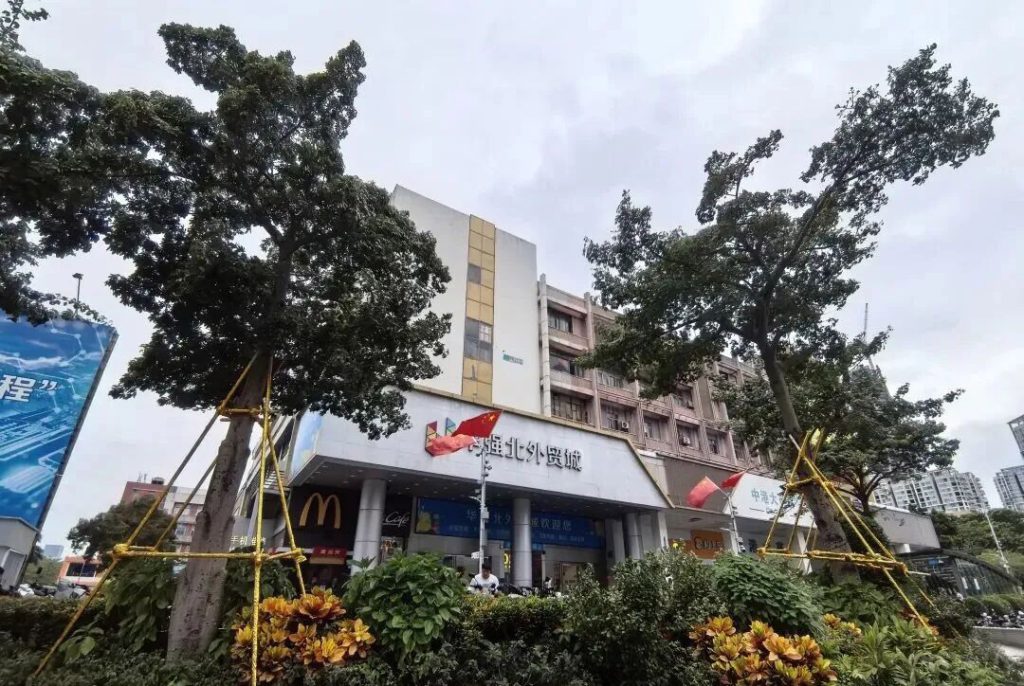
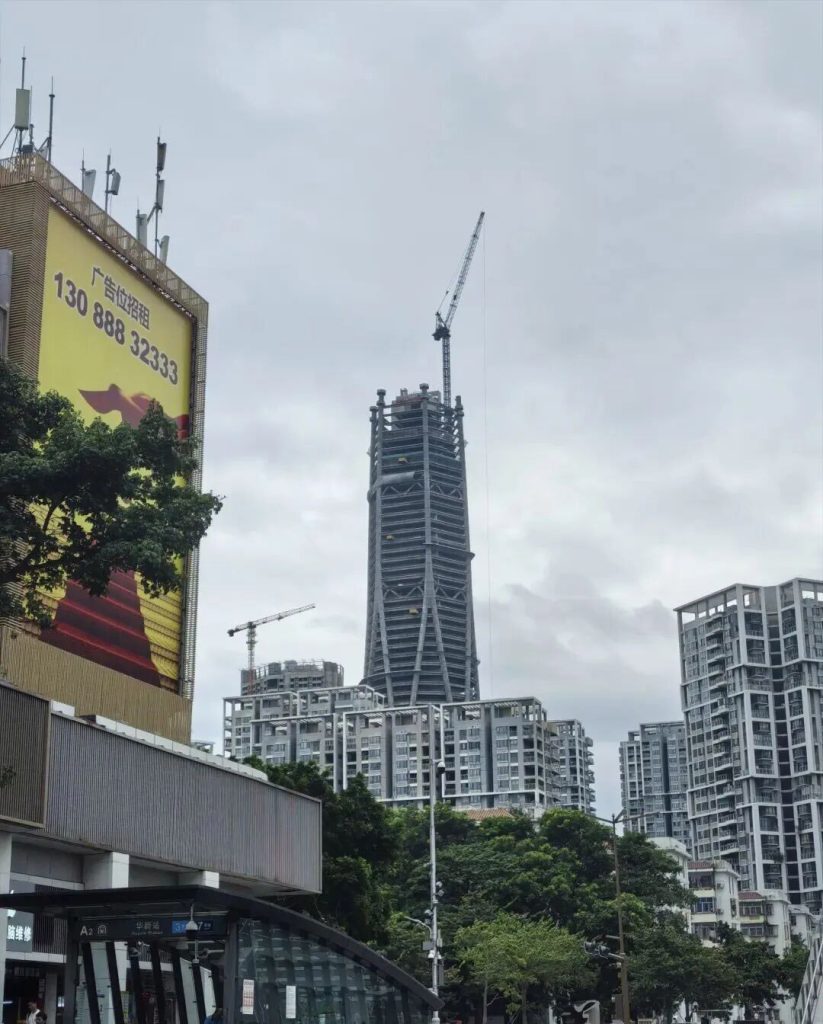
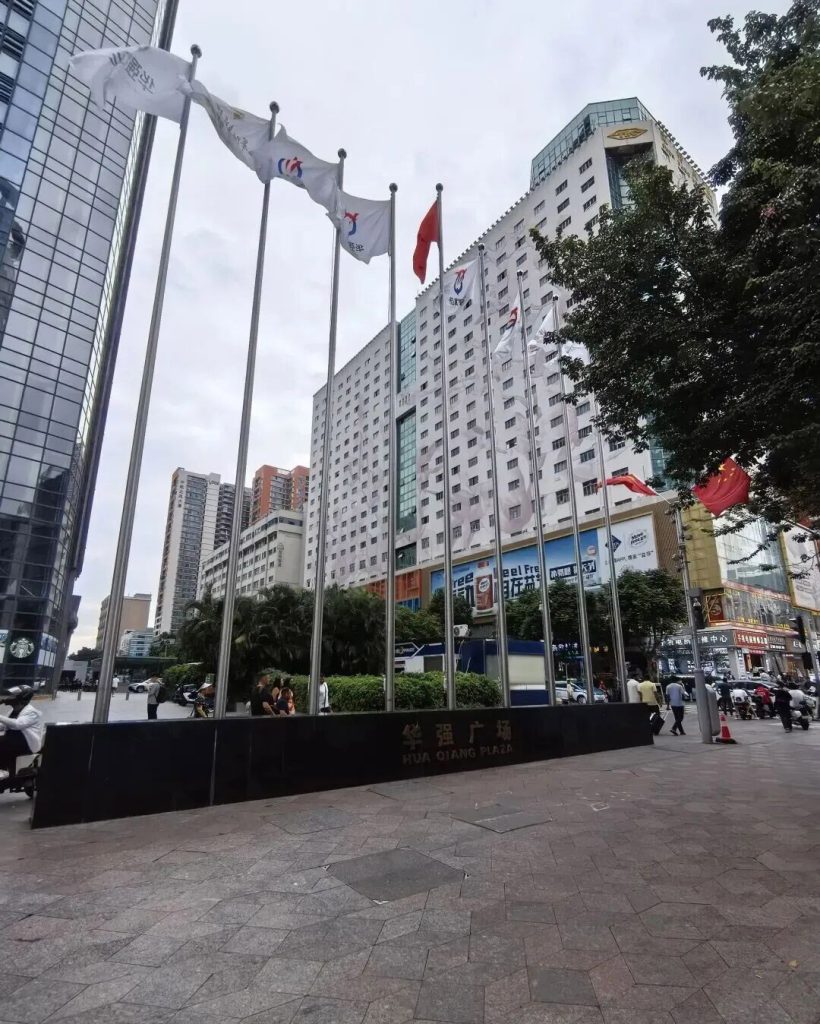
Stepping into Huaqiangbei, the first impression is how wide this street is. High-rise buildings stand on both sides, yet they do not block the sunshine at all, offering an exceptionally broad view and leaving ample space for pedestrians to move around.
The second impression is how crowded it is. Dense crowds of people shuttle back and forth on the wide street, roughly divided into two groups:
- One group consists of tourists like me, who come purely to wander around, take photos and satisfy their curiosity, walking leisurely with a relaxed mindset;
- The other group hurries along, pulling small trolleys or carrying large plastic bags filled with goods — they are businessmen here to stock up. For them, time is money, and they cannot afford to waste a single moment.
Huaqiangbei’s acumen and leadership are reflected not only in the rapid iteration of products, but also in its ability to respond immediately to the ever-changing international trade situation. Any international development that may affect the economy is likely to trigger a butterfly effect on this street.
Over the past decade or so, against the backdrop of frequent trade wars, countless merchants in Huaqiangbei have made fortunes overnight, while many others have gone bankrupt suddenly. Success and failure, profit and loss seem to change in the blink of an eye, unnoticed by most people.
In a sense, Huaqiangbei and Yiwu are of the same kind — both take wholesale as their core business format. The difference is that Yiwu focuses on small commodities such as jewelry and toys, while Huaqiangbei positions its products at a higher end, concentrating on various electronic products.
Here, mobile phones can be packed in bags and carried away in batches like cabbages; all kinds of electronic products have shed their aura of being “high-end, sophisticated and classy”, returning to their essential attribute as “goods and commodities”.
Walking in the bustling crowd of Huaqiangbei, it is easy to see various foreign merchants. They cross the ocean to come to Shenzhen just to purchase electronic products here. This scene always reminds me of the days when Chinese people traveled far abroad to engage in cross-border purchasing. The reversal of the situation today is a vivid testament to the fact that China’s international status, production capacity and technological level have already achieved a qualitative leap, which is incomparable to the past.
I even think back to a few years ago, when I had to ask someone to buy the new Apple iPhone in Hong Kong for me. Looking at it now, there is no longer any need for cross-border purchasing — first, the price advantage of purchasing overseas is no longer obvious; second, our domestic brands are steadily rising, and they are already comparable to foreign brands in many aspects.
It is evident that Huaqiangbei reflects not only the ups and downs of business, but also represents the current level of China’s scientific and technological development.
Beyond Electronics: Huaqiangbei’s New Transformation
Today’s Huaqiangbei has long broken through the boundaries of a traditional electronic business district.
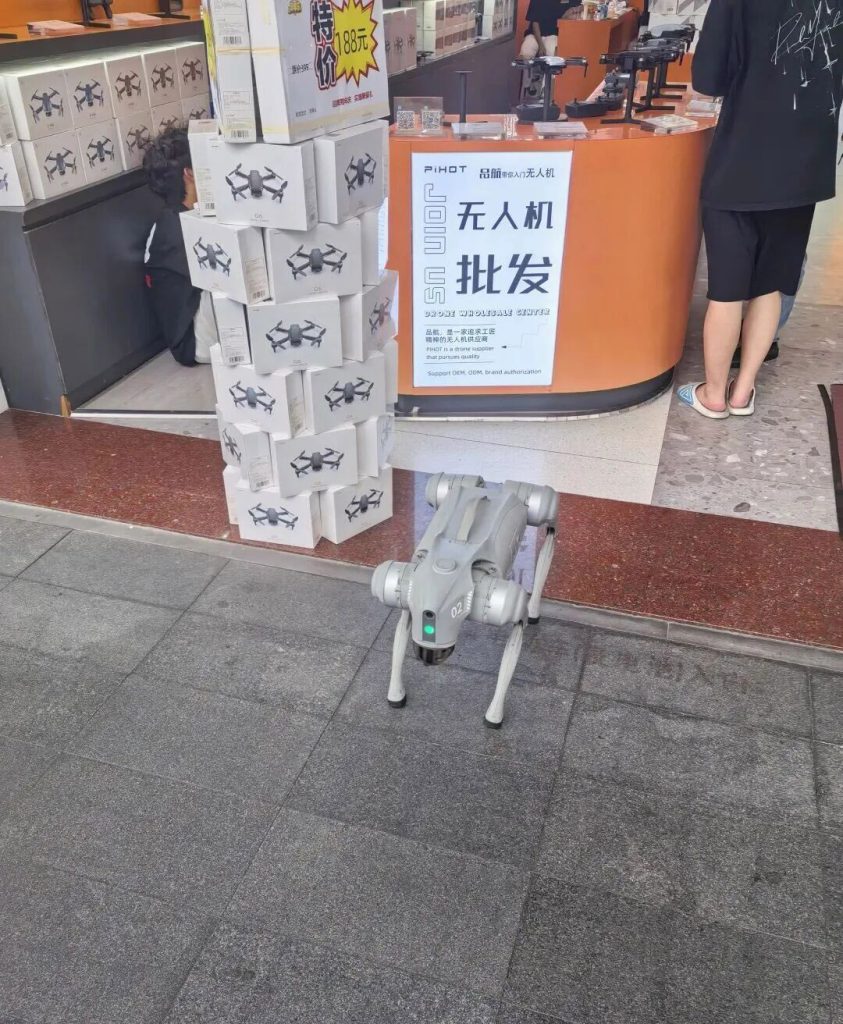
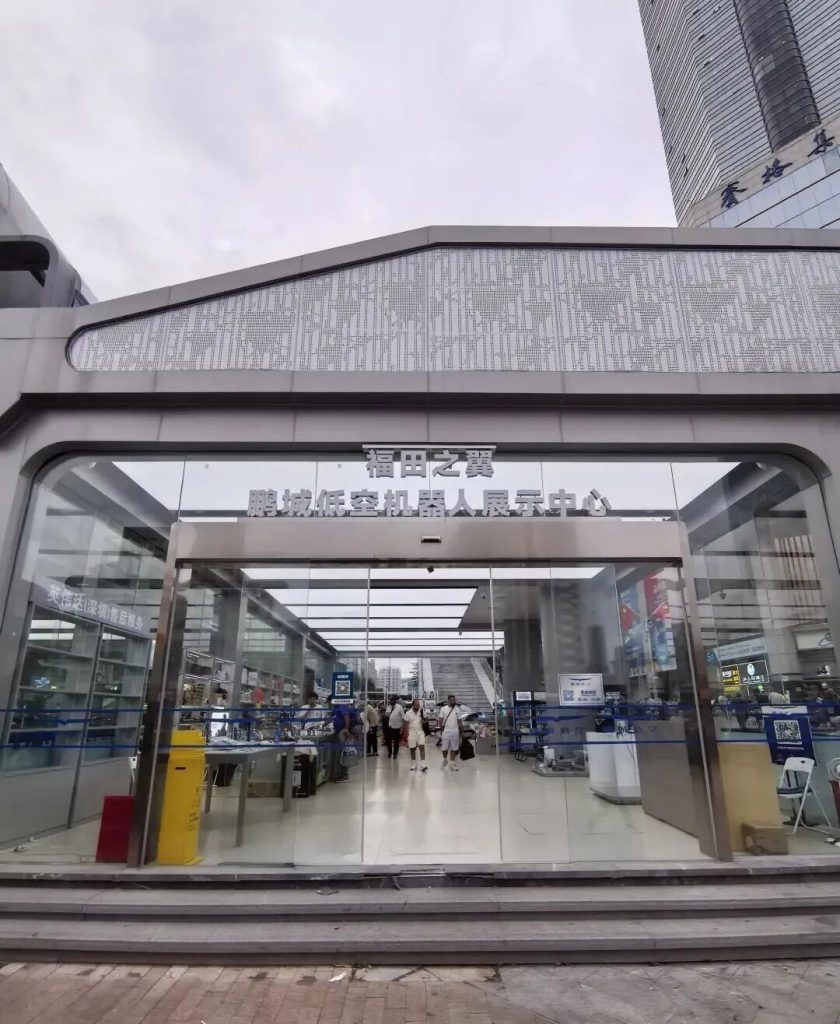
It involves a wide range of traditional and emerging business fields. In recent years, keeping up with the trend of the times, it has fully promoted technological innovation and industrial upgrading: transforming from traditional electronic component trading to smart hardware, artificial intelligence, drones and other fields, it has emerged as an important source of global hardware innovation. Emerging business formats such as drone full-industry-chain selection centers and AI experience zones are booming here.
At the same time, cultural integration and consumption experience upgrading are also taking place simultaneously. With the rise of two-dimensional culture and trendy toy industries, Huaqiangbei has taken the opportunity to form a complete industrial chain covering doll customization and peripheral accessories; the block has also introduced diverse elements such as public welfare pianos, street art and international cuisine, striving to create a fashion consumption space integrating culture, commerce and tourism, attracting a large number of young customers and international tourists.
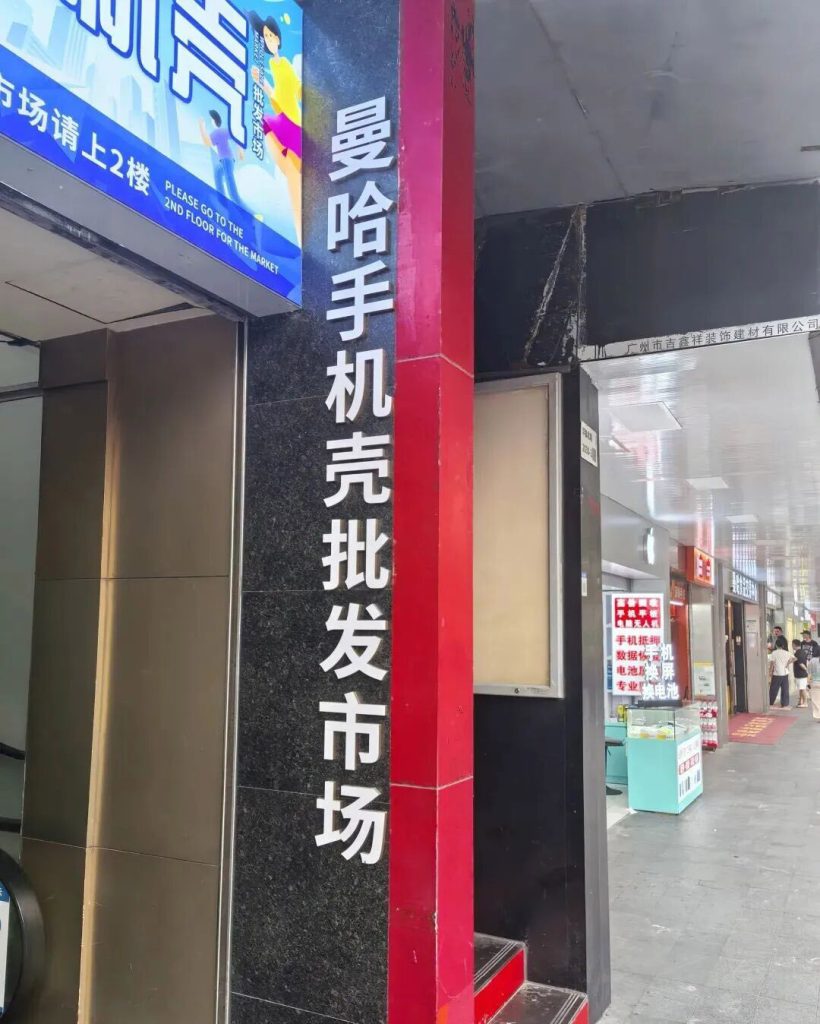
During the tour in Huaqiangbei, there are always many unexpected surprises: passing by a robot experience store, I couldn’t help but stop and marvel; seeing an entire floor full of mobile phone repair shops, I was truly shocked; what surprised me most is that there is even a snack wholesale section here, which made me momentarily forget that I was in Huaqiangbei and mistakenly think that I had walked into a food landmark.
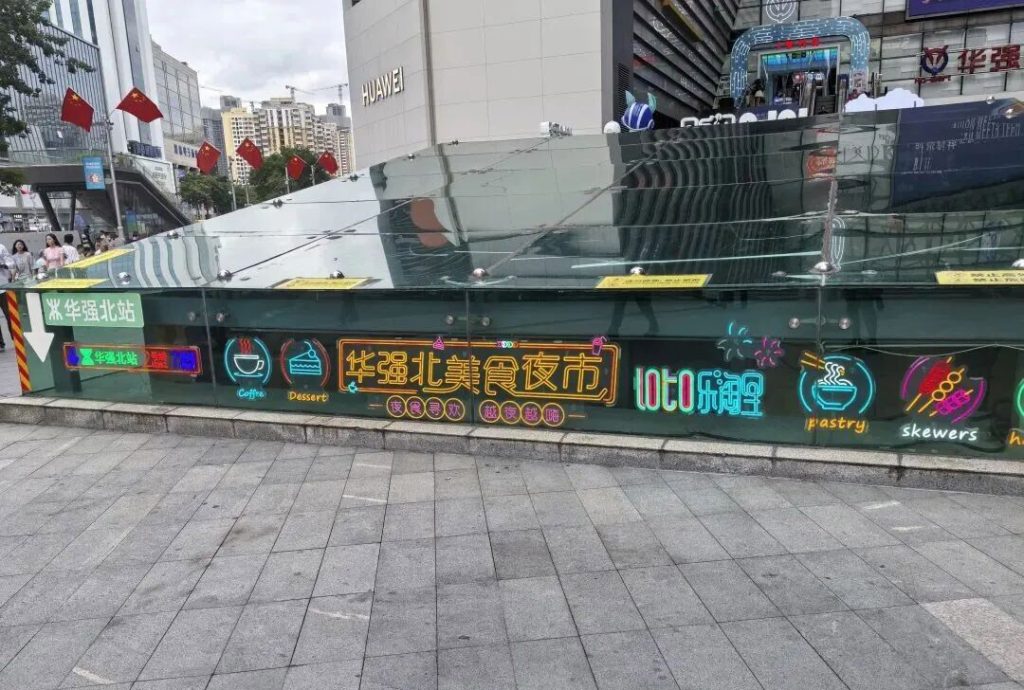
A Mark of Time Hidden in the Business District: Huaqiangbei Museum
In a prominent location on the main street of Huaqiangbei stands the Huaqiangbei Museum.
With the stories of Huaqiangbei entrepreneurs as its main thread, this museum fully presents the development history of the Huaqiangbei business district. Through diverse exhibition methods and integrating elements of technology, fashion and art, it has become a distinctive museum that interprets the innovative spirit of the times, disseminates cutting-edge scientific and technological information, and leads the fashion and art trends.
Opened to the public in 2000, the Huaqiangbei Museum’s permanent exhibition “Cradle of Entrepreneurship, Paradise of Innovation” is divided into four chapters: Dream of Development, Dream of Entrepreneurship, Dream of Innovation and Dream of the Future, comprehensively demonstrating the technological elements in the development process of Huaqiangbei.
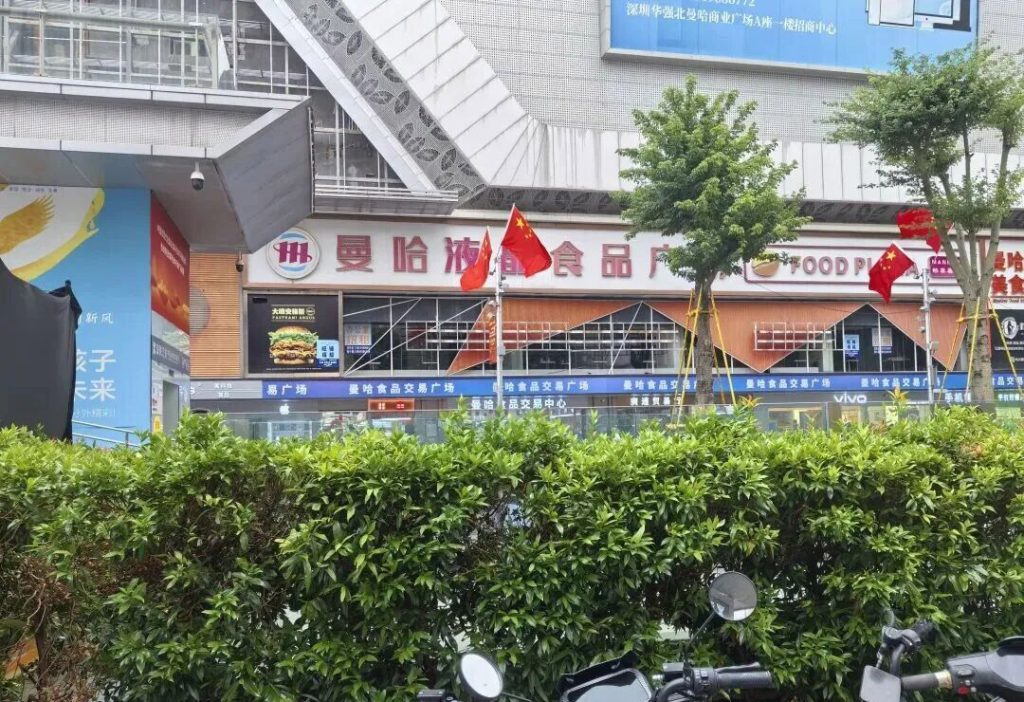
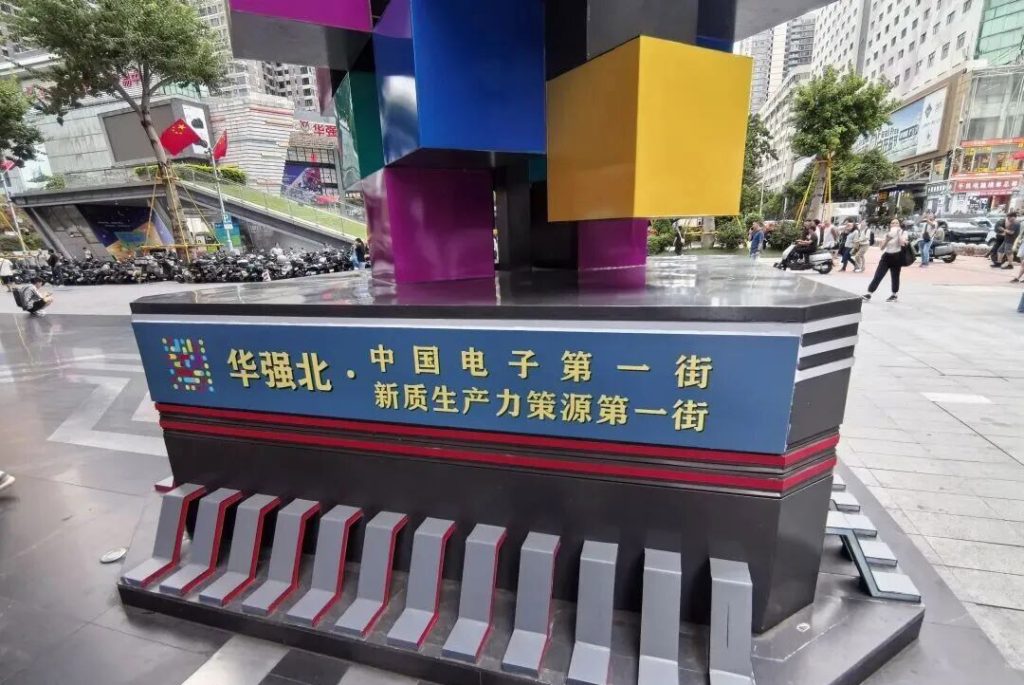
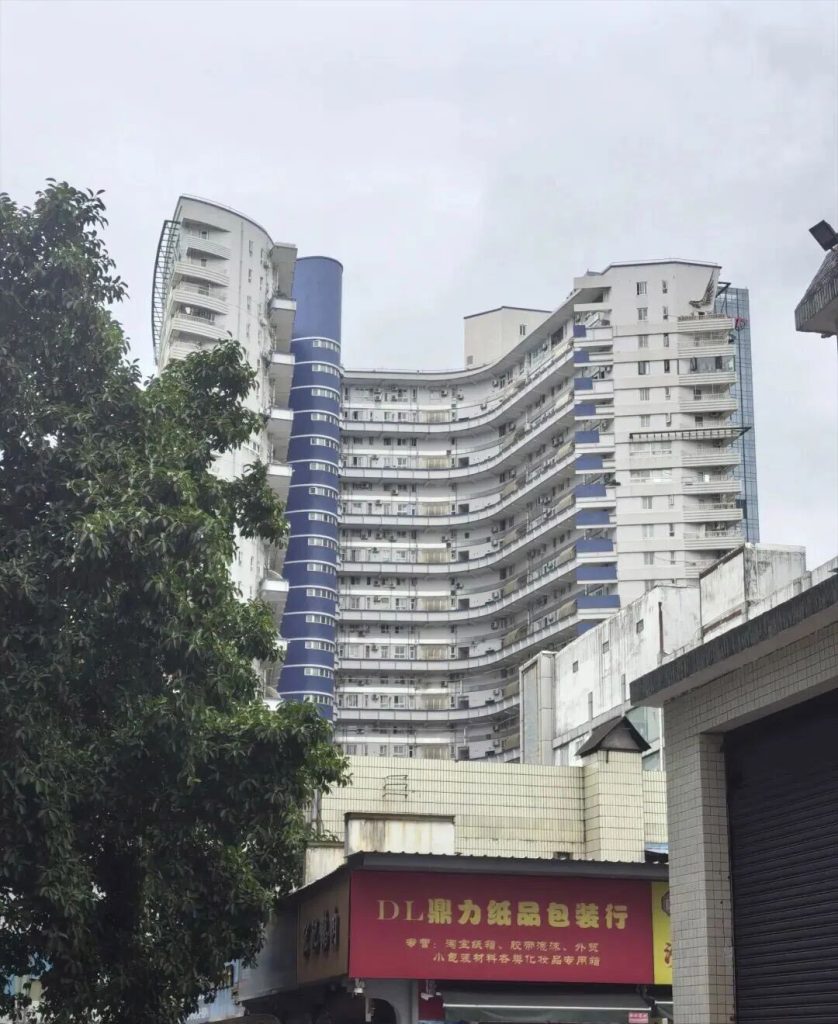
The museum has also selected a number of precious historical materials and cultural relics, including the first JH brand radio-cassette recorder, stock receivers, recruitment notices of Shenzhen Electronic Equipment Factory, land expropriation agreements and so on. The collection covers electronic products, audio-visual materials, document archives, literary and artistic works, data, daily necessities and articles related to important figures, all of which are precious witnesses to historical events, changes in work and life, as well as folk customs in Huaqiangbei since 1979, along with the reform and development of Shenzhen.
Visit Tips: Huaqiangbei Museum is open to the public free of charge, but advance reservation is required; it is open from 10:00 to 18:00 from Tuesday to Sunday and closed on Mondays. Friends planning to visit should take note of the opening hours to avoid a wasted trip.
Both Huaqiangbei and Dongmen Old Street are located on Metro Line 1, with very convenient transportation.