
1. Core Scenarios: Efficiently Meeting Complex Production Demands
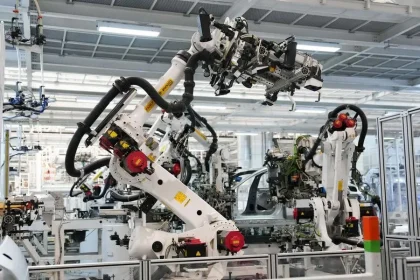
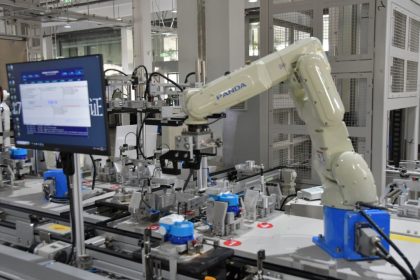
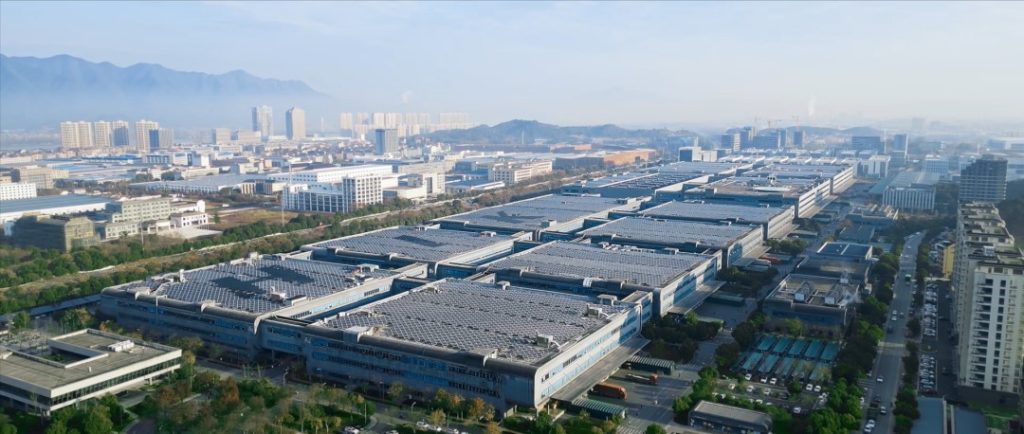
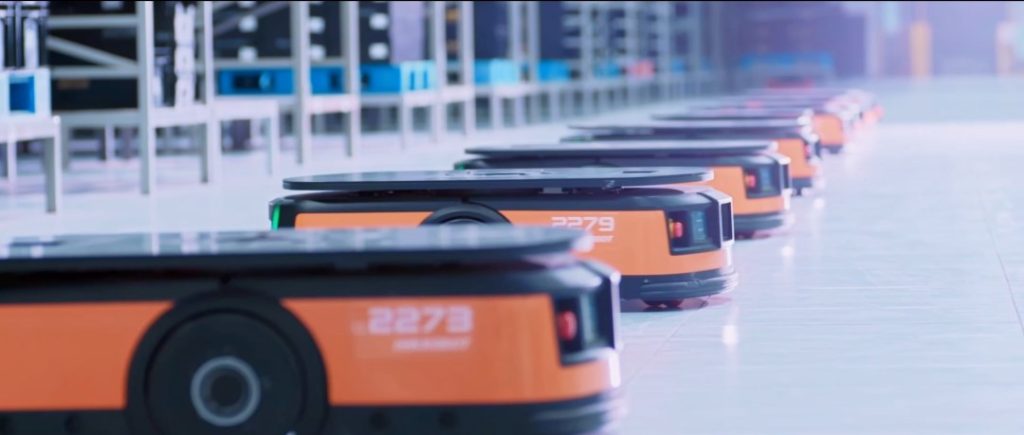
At Hikvision’s manufacturing base in Tonglu, Zhejiang, 1,500 autonomous mobile robots (AMRs) navigate the workshop with precision, delivering materials from warehouses to production lines. On fully automated, unmanned production lines, AI and intelligent sensing technologies underpin the entire workflow of smart camera manufacturing, covering material supply, assembly, testing, packaging and finished product warehousing.

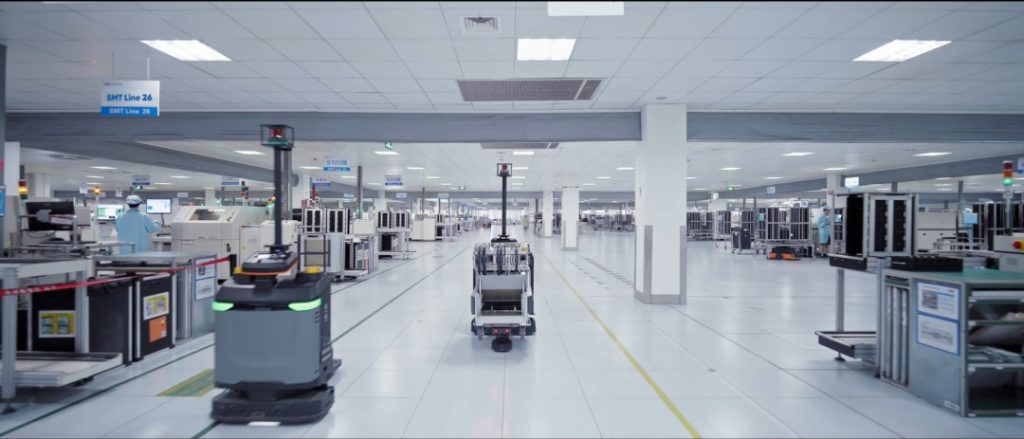
Unlike traditional large-batch production models, Hikvision’s factory faces the core challenge of high-mix, low-volume, large-scale customization. It handles over 10,000 orders daily, involving the scheduling of hundreds of thousands of material types and 30,000 product models, with the smallest order consisting of just a few units. Even more demanding is the SMT placement line in the electrical assembly workshop, which switches production models an average of 25 times a day—peaking at 40 times. Model changes can occur within 10 minutes, and each switch is far from a simple operation. Instead, it amounts to a mini restructuring of the production system, involving material preparation, process adjustment, equipment parameter resetting and personnel deployment. Such frequent changes also pose risks of production downtime and quality control challenges.
2. The Digital-Intelligent Transformation Behind the Scenes
Hikvision’s flexible production capability stems from over a decade of digital-intelligent transformation in manufacturing, which is divided into three phases:
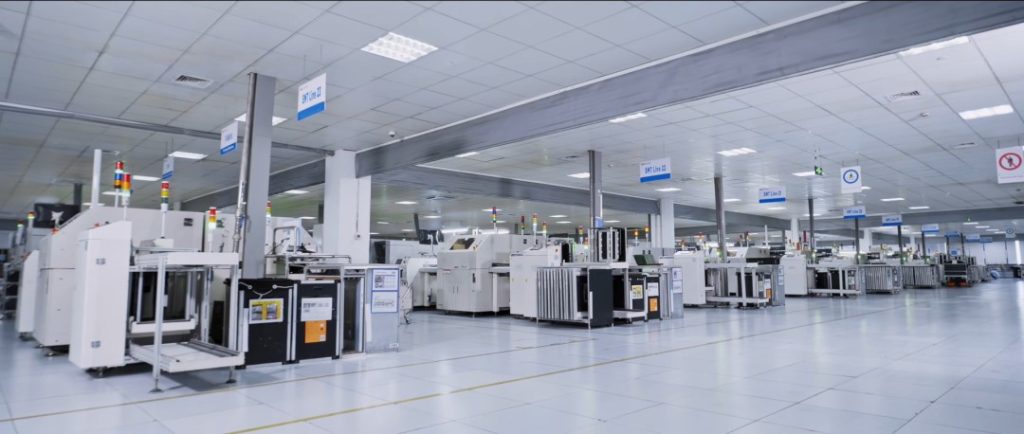
- 2015–2020: Digital Foundation BuildingThe company established core business systems such as the Manufacturing Execution System (MES) and Manufacturing Process Management (MPM) system. Meanwhile, it explored the application of automated equipment and AMR-based material delivery, laying a solid digital foundation for subsequent upgrades.
- Post-2020: Large-Scale Implementation of Intelligent ApplicationsHikvision’s self-developed AI technologies were applied on a large scale, enabling intelligent production scheduling and automated process route generation.
- 2024–Present: Integration with Large ModelsThe in-house Guanlan large model suite was introduced to scenarios including process design and daily production management. For example, it identifies hand movements to verify whether all components are properly picked, enhancing product quality and operational efficiency.

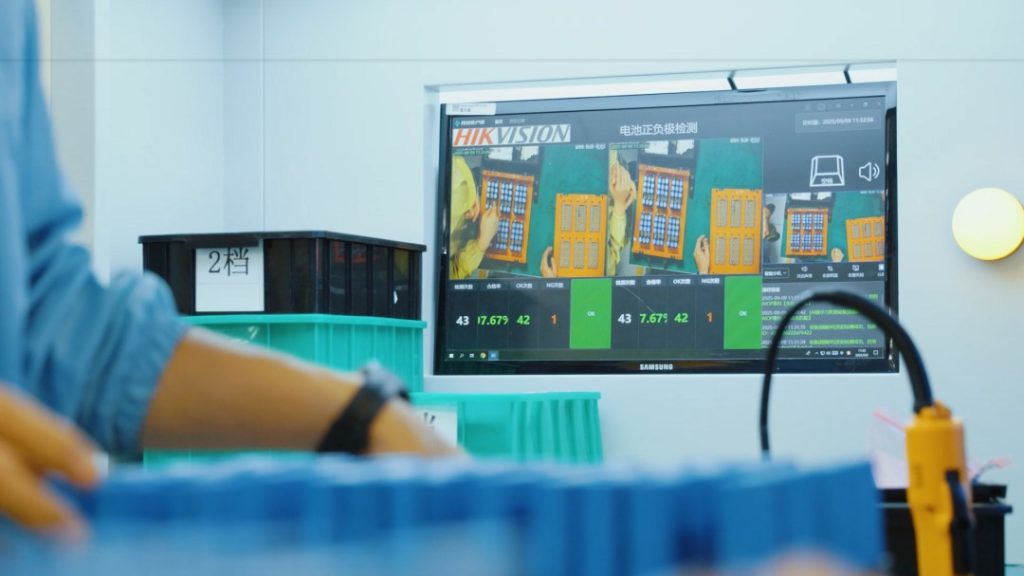
Today, Hikvision Smart Factory has evolved into a super intelligent entity equipped with an intelligent sensing system, an AI decision-making “brain” and flexible execution capabilities. It efficiently supports the production of over 30,000 product models and underpins an annual revenue scale exceeding 92.4 billion yuan.
3. Core Advantages
The unique strength of Hikvision Smart Factory lies in building core capabilities based on its own technological accumulation, forming a virtuous cycle of independent R&D – in-factory validation.
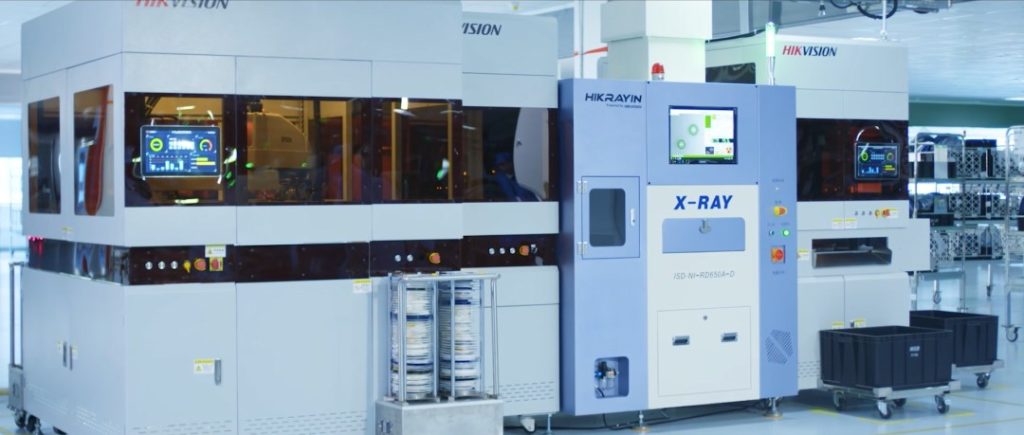
- Intelligent Sensing SystemIt deploys self-developed IoT sensing devices such as industrial cameras, thermal imaging cameras and X-ray inspection equipment. Combined with large models, these devices capture real-time operational data on people, machines, materials, methods and the environment, laying the groundwork for digital twin development and intelligent upgrading.
- AI Technology AccumulationSince setting up an algorithm team in 2006, Hikvision has taken the lead in launching deep learning-based embedded products and building an AI open platform. The subsequent development of the Guanlan large model suite has provided strong support for applications such as quality inspection and human behavior recognition in production scenarios.
- Data and Logistics SupportLeveraging its architecture featuring cloud-edge integration, physical-information integration and data-intelligence integration, Hikvision achieves efficient data processing. The technological capabilities of its subsidiary Hikvision Robotics ensure the precise scheduling of AMR fleets and the smooth operation of in-plant logistics.

4. Industry Trends and Replication Value
The manufacturing challenges faced by Hikvision are not unique; they reflect a broader trend across the manufacturing sector. Industries such as consumer electronics (e.g., the expansion of iPhone models from 2 to dozens), apparel (the “small-order, quick-response” model adopted by fast-fashion brands) and auto parts are all witnessing fragmented demand, a growing number of product variants and smaller batch sizes. This trend is forcing supply chains and production systems to shift toward agility and flexibility.
Against this backdrop, Hikvision’s smart factory practice has gained widespread replication value, earning it a spot on the national list of the first batch of leading smart factories under cultivation. Currently, Hikvision has exported its proven experience and solutions to the upstream and downstream of the industrial chain: it has achieved digital collaboration with more than 2,000 suppliers and 800,000 distributors, and its solutions have been implemented in sectors including petrochemicals, coal, steel, machinery, electronics and automotive manufacturing, helping enterprises accelerate their digital and intelligent upgrading.
Going forward, Hikvision will continue to deepen the application of IoT sensing, AI, big data and other cutting-edge technologies across all business processes of smart factories. Through its independent R&D – in-factory validation – industry-wide promotion approach, it aims to provide more replicable best practices for advancing the upgrading of China’s manufacturing industry.