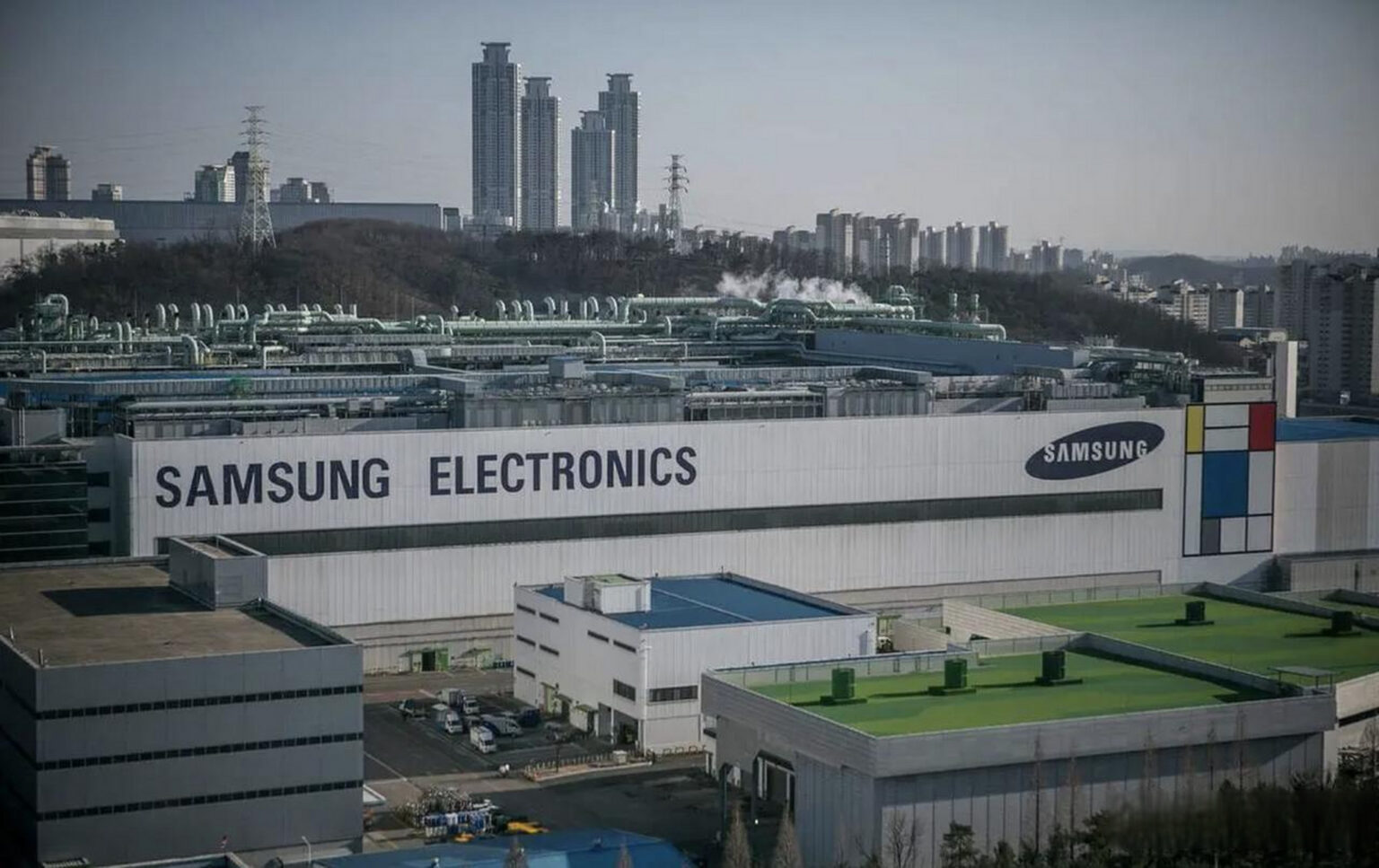
Hi everyone, today I came across a breaking industry news that really got me thinking — Samsung Electronics is closing its TV manufacturing plant in Slovakia, ending 24 years of operations and laying off 700 employees. As a global tech giant, Samsung’s move actually hides the helplessness of the entire TV industry and its own strategic adjustments. Let’s dive into this together today.
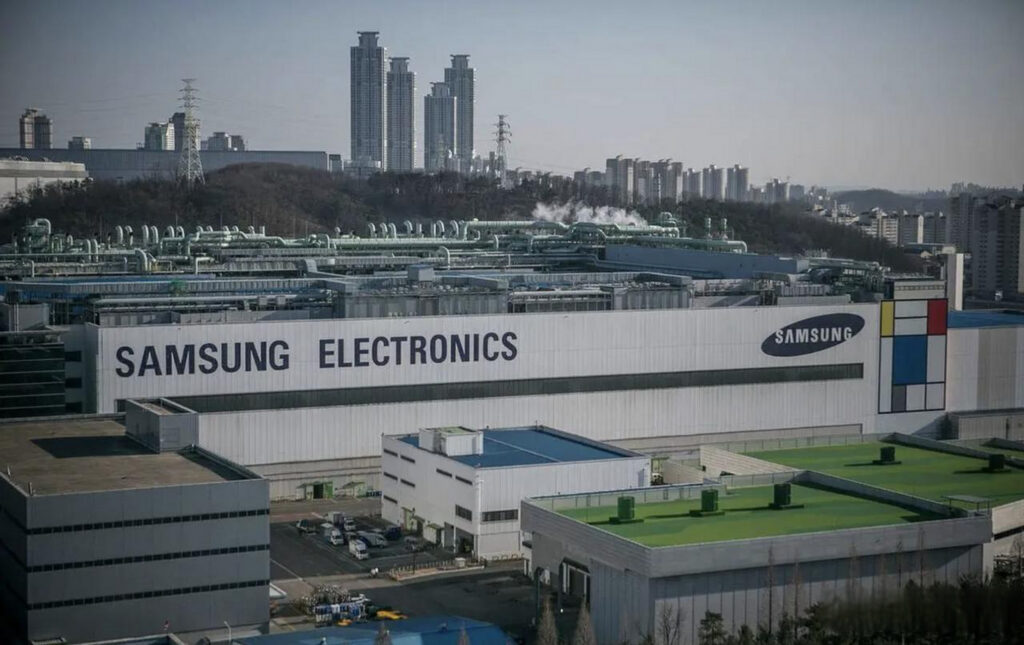
Reported by Yonhap News Agency on March 19, industry sources revealed that Samsung’s plant in Galanta, Slovakia, will officially shut down in May this year. For many people, this plant might not ring a bell, but it has been a core base for Samsung to supply the European TV market since its establishment in 2002 — a full 24 years. It’s no exaggeration to call it a “veteran contributor” to Samsung in Europe. The sudden announcement of its closure is inevitably disappointing.
Samsung itself stated that the core purpose of closing the plant is to improve global operational efficiency and adapt to industry changes. But to put it bluntly, the real reasons behind this are quite practical — let’s break them down:
First of all, the global TV market is no longer “lucrative”. In recent years, the TV market has been in a state of low growth. Major brands are locked in fierce competition, with price wars eroding profit margins thinner and thinner. Even though Samsung is a top player in the global TV market, it can’t resist the sluggish overall environment. Closing inefficient plants is an inevitable choice for survival.
Second, the costs are simply too high. Energy prices in Slovakia have remained persistently high, and coupled with the soaring prices of memory chips and components in recent years, the plant’s production costs have skyrocketed. The revenue generated is not even enough to cover the costs, so closing the plant was naturally put on the agenda. After all, enterprises ultimately aim to make profits; no matter how nostalgic they are, long-term loss-making businesses have to be cut.
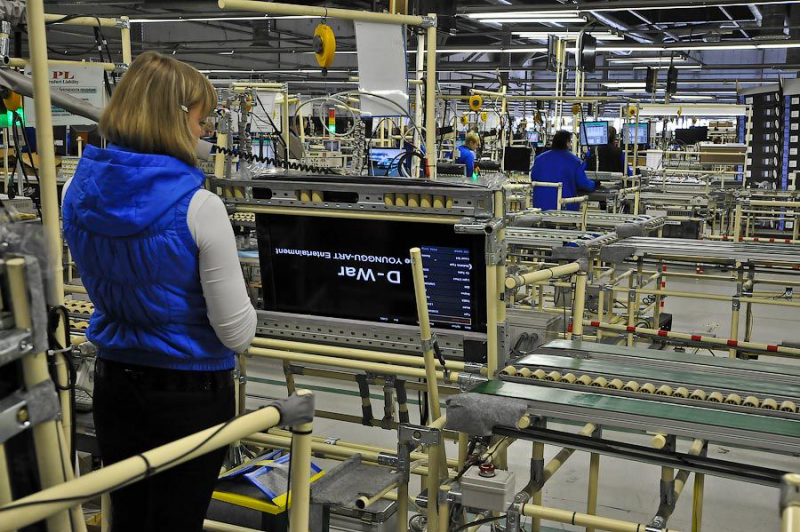
The most worrying part is the fate of the 700 employees. It is reported that Samsung will provide reemployment support for these employees, but for those who have worked in the plant for more than a decade or even 20 years, suddenly facing unemployment is extremely difficult. This also reflects that in the iteration of the tech industry, the sense of job security for ordinary people is becoming increasingly fragile.
Some of you might ask, is this the first time Samsung has closed a plant? Definitely not. In fact, a few years ago, Samsung closed its TV manufacturing plant in Tianjin, China — its only TV production base in the country. Built in 1993 (the year after China and South Korea established diplomatic relations), it has been with the Chinese market for about 30 years.
Why close the Tianjin plant? The reasons are similar to this time, but there are also differences. In recent years, local Chinese brands such as Hisense, Skyworth, Xiaomi, and TCL have risen rapidly, firmly seizing the dominant position in the domestic TV market. Samsung’s TV market share in China has been declining, dropping to only 4.8% in the first half of 2023. The revenue was simply unable to support the plant’s operations, leading to its inevitable closure.
In fact, as early as 2008 to 2018, Samsung has been quietly adjusting its layout — gradually shifting its mid-to-low-end manufacturing operations to regions like India and Vietnam. For example, in Vietnam, Samsung invested 17.3 billion US dollars to build 8 plants and 1 R&D center. Its mobile phone factory has an annual output of 150 million units, and its TV factory ranks second in the world in terms of production; in India, Samsung has also laid out mobile phone, TV, and home appliance plants.
It has to be said that Samsung made a shrewd move here. On the one hand, it avoided the pressure of rising labor costs in China; on the other hand, the lower production costs in South and Southeast Asia helped it maintain profit margins. Closing the Slovakia plant this time is a continuation of this layout — transferring production capacity to plants in Poland and Hungary to optimize its production layout in the European market, reduce costs, and hold onto its core European market share.
Another detail worth noting: Samsung’s VD&DA Division, which is responsible for TV and home appliance businesses, reported an operating loss of 600 billion won in the fourth quarter of last year, a fivefold increase from the previous quarter. High costs and weak profitability are the core reasons why Samsung is in a hurry to close plants and optimize its layout. After all, in the current context of global economic downturn and intensified industry competition, surviving and making more money are the top priorities for enterprises.
Talking about this, I can’t help but feel emotional. Even a tech giant like Samsung has to close plants and transfer production capacity to cope with industry changes, let alone small and medium-sized brands. The closure of the Slovakia plant is not only the end of a single Samsung factory, but also reflects the predicament of the global TV industry — sluggish growth, high costs, and fierce competition.
What do you think about this? Do you think Samsung’s adjustment is wise, or do you feel sorry for the 700 employees? Welcome to leave your comments below. I will continue to pay attention to Samsung’s production capacity adjustments and the latest developments in the TV industry, and share updates with you as soon as there is news~