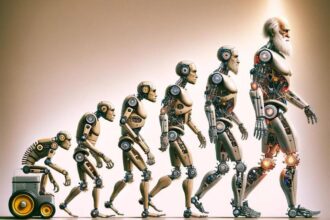
When it comes to global technological competition, robotics is definitely an indispensable core track. With the rapid development of AI, sensor technology and precision manufacturing, the robotics industries in both China and the United States have ushered in an explosive growth period. But if you observe carefully, you will find that the two countries are taking completely different paths—can be called “dual-track parallelism”, each with its own focus and advantages.
To put it simply, the United States takes a “technology-driven” path, focusing on “from 0 to 1” original innovation; while China takes a “scenario-driven” path, focusing on “from 1 to 100” practical application. Today, let’s talk in detail about the differences between these two paths~
The US: With Silicon Valley Genes, Focusing on “Disruptive Innovation”
When it comes to American robots, the first things that come to everyone’s mind may be Boston Dynamics’ “Atlas” humanoid robot or Tesla’s Optimus (Optimus Prime)—the core feature of these robots is “intelligence” and “versatility”.
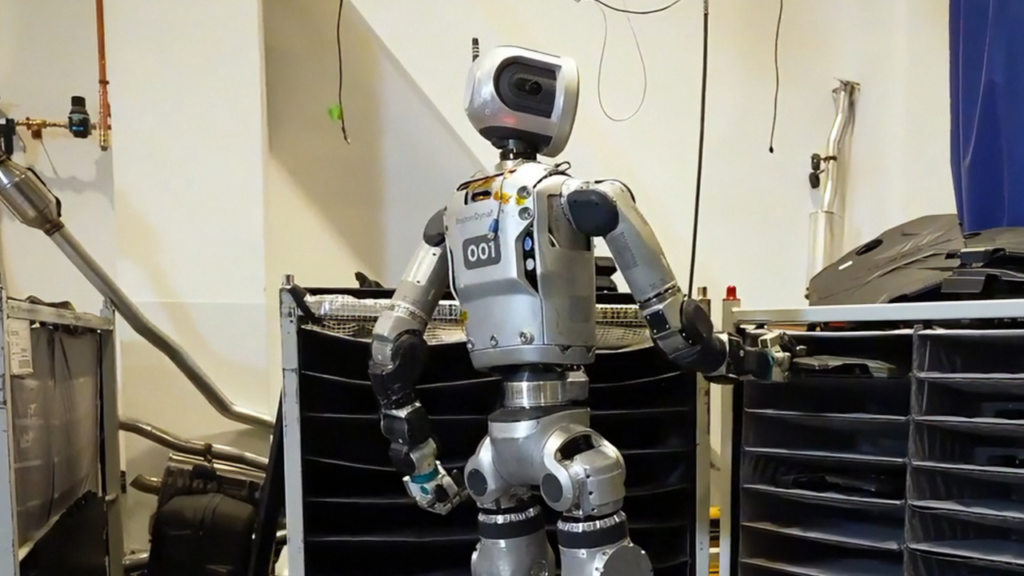
The development of robotics in the United States has inherent Silicon Valley innovation genes, with the core goal of achieving disruptive technological breakthroughs. Leading enterprises such as Boston Dynamics, Tesla, and Figure AI are all fully committed to overcoming the core technologies of humanoid robots, which is equivalent to building a smarter “brain” (algorithm) and a more flexible “cerebellum” (control) for robots, striving to create versatile humanoid robots that can make independent decisions and adapt to complex environments.
In the United States, research institutions and enterprises cooperate closely, and a large amount of resources are invested in the integration of reinforcement learning, large language models (LLMs) and robot control. The most typical example is Tesla’s Optimus project. It does not rely on preset codes, but through neural networks, allows robots to perceive the world through vision like humans, independently complete handling, assembly, and even respond to emergencies—that is the “versatility” pursued by the United States, aiming to define the form of the next generation of intelligent terminals.
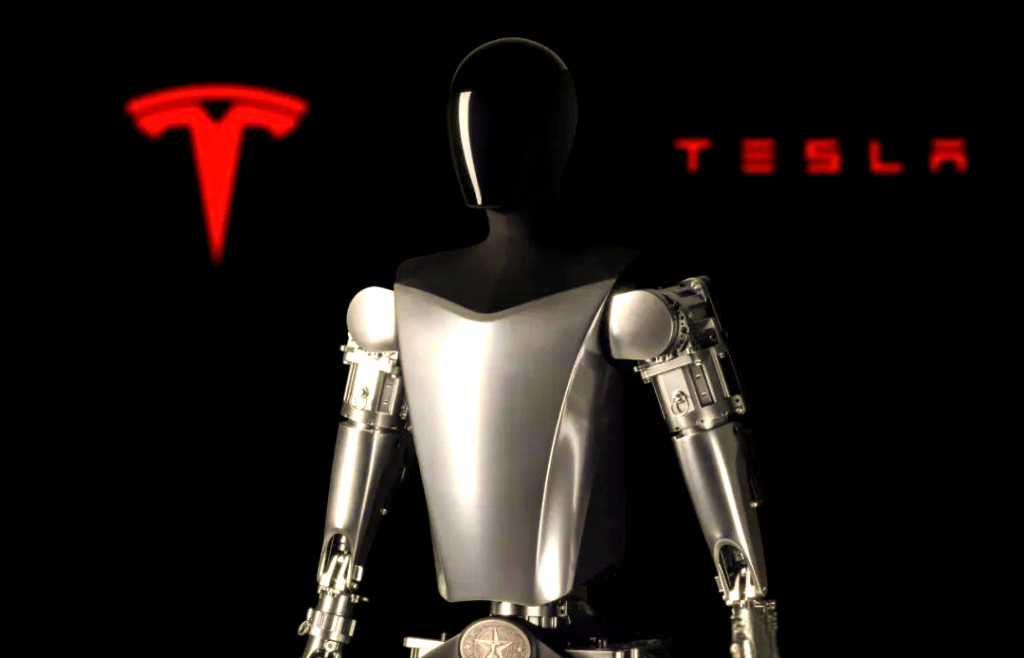
In addition, the United States has always maintained a leading position in basic research on core components, such as high-performance reducers and high-torque density motors, striving to build a barrier in hardware technology. In the final analysis, the US idea is to “first achieve the ultimate in technology” and seize the core entrance of the future intelligent society.
China: Rooted in the “World Factory”, Focusing on “Practical Application”
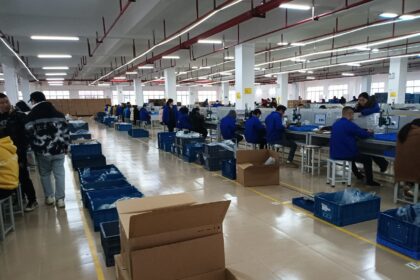
Different from the United States, the development of China’s robotics industry is deeply rooted in the soil of the “world factory”, taking a distinctive path of “scenario-driven + whole industrial chain collaboration”—we do not pursue “one-step” versatile technology, but first solve the problem of “being usable, easy to use and cost-effective”.
China has the most complete industrial categories and the richest application scenarios in the world, which provides a natural “test ground” for the iteration of robot technology: the installed capacity of industrial robots has ranked first in the world for many consecutive years, and it is rapidly penetrating from the traditional automobile manufacturing industry to emerging industries such as photovoltaic, lithium battery and 3C electronics.
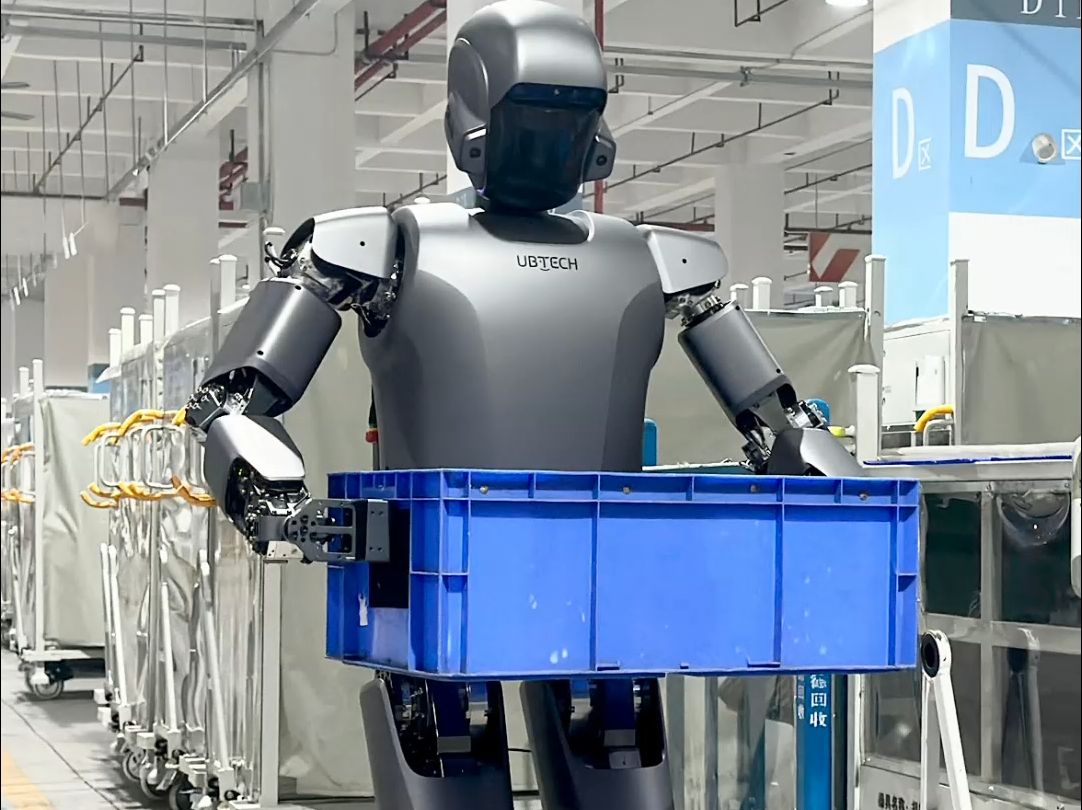
The advantage of Chinese robot enterprises lies not in the original breakthrough of underlying algorithms, but in solving the “last mile” problem of technology landing. For example, domestic manufacturers such as UBTech, Xiaomi and Fourier Intelligence are particularly outstanding in engineering capabilities, cost control and supply chain response speed.
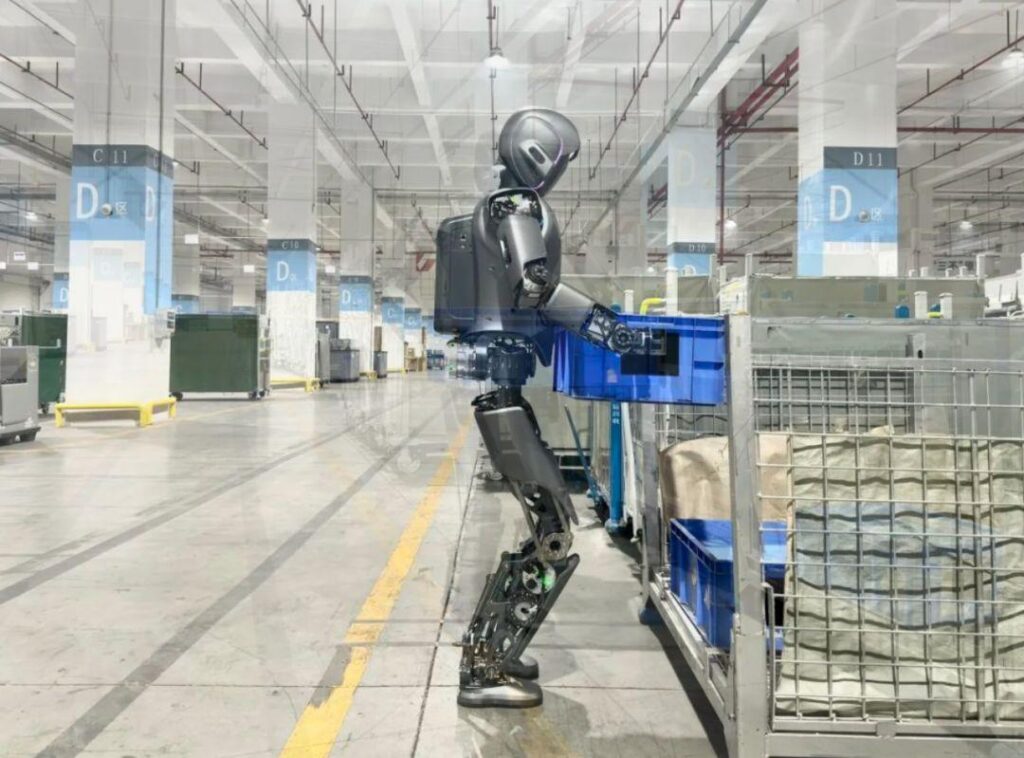
Our core strategy is “rapid iteration + high cost performance”: through large-scale mass production to spread R&D costs, allowing robots to quickly enter our lives and production—sorting robots in warehouses, rehabilitation robots in hospitals, service robots in shopping malls, and even picking robots in agriculture are all vivid manifestations of China’s path.
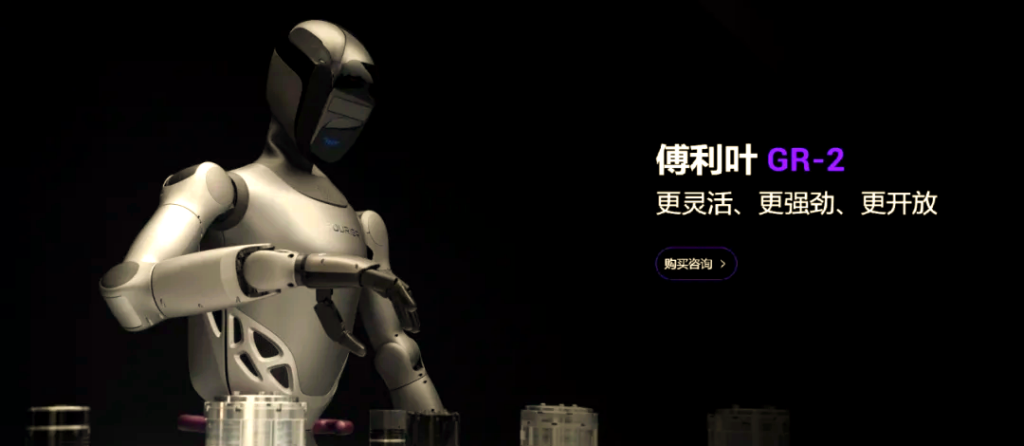
What’s more noteworthy is that under the guidance of policies, the industrial cluster effect of China’s robotics industry is becoming more and more obvious. From the precision manufacturing cluster in the Yangtze River Delta to the electronic supporting network in the Pearl River Delta, we have built the most efficient robot supply chain system in the world. The localization rate of core components of domestic robots has been increasing year by year, gradually getting rid of excessive dependence on imported harmonic reducers and servo systems. The “Robot +” application action proposed by the state directly links technology promotion with industrial upgrading, encouraging enterprises to deepen in segmented fields such as warehousing and logistics, agricultural picking and dangerous operations. This “point-driven surface” model has enabled China to rapidly expand its market share in the field of service robots and special robots, forming an industrial ecosystem completely different from that of the United States.
Why Such Differences? Essentially Due to Different Demands
In fact, the divergence in the development directions of robots between China and the United States stems from the different social and economic needs of the two countries.
The United States is facing a high labor cost and a care gap brought about by an aging population, so it urgently needs highly intelligent versatile humanoid robots to fill the gap in high-end labor, and even create a new “species of labor”; while China is in a critical period of manufacturing transformation and upgrading, which not only needs to improve production efficiency and reduce labor dependence through automation equipment, but also needs to respond to the people’s livelihood needs such as elderly care and companionship brought about by aging. Therefore, it pays more attention to the seamless connection of robots with existing production lines and the inclusive application in people’s livelihood fields.
Finally: Not Opposition, but Complementary Competition
Many people think that the development of robots in China and the United States is “either/or”, but in fact, it is not—they are in a state of complementary and competition.
The United States’ leading position in basic research and top-level architecture points out the direction for global robot technology; China’s advantages in engineering landing and scenario data accumulation provide a huge amount of practical data for algorithm optimization. In the future, with the deepening of technological exchanges, the two paths may gradually converge.
In the final analysis, the United States is “looking up at the stars” to explore the boundaries of intelligence; China is “keeping its feet on the ground” to expand the breadth of application. In this long-distance race related to future productivity, there is no absolute winner or loser, and this dual-track competition will ultimately promote human society to enter a fully intelligent new era faster—after all, the trend of robots reshaping our production and lifestyle is already irreversible.
What do you think? Which development model will be more advantageous in the future? Welcome to chat in the comment section~