

I. A Gut-Punch of a Earnings Report: Revenue Dips Slightly, Profits Halve

In 2025, Transsion Holdings—dubbed the “King of Mobile Phones in Africa”—delivered its most disastrous performance since going public six years ago.
- Full-year revenue: 65.6 billion yuan, a mere 4.5% year-on-year decline, leaving its core business relatively intact.
- Net profit: 2.58 billion yuan, plummeting by nearly half compared to the previous year—amounting to a 3 billion yuan drop in annual earnings.
In Africa, Transsion has long dominated with over 50% of the market share—far outpacing the combined share of Samsung, Xiaomi, OPPO, vivo, and Honor. It’s no exaggeration to call it the unrivaled “African Phone King.”
Yet this quietly profitable giant has suddenly been thrown into a sharp profit slump.
II. The Real Culprit: Soaring Storage Chip Prices Crash Low-End Profit Margins
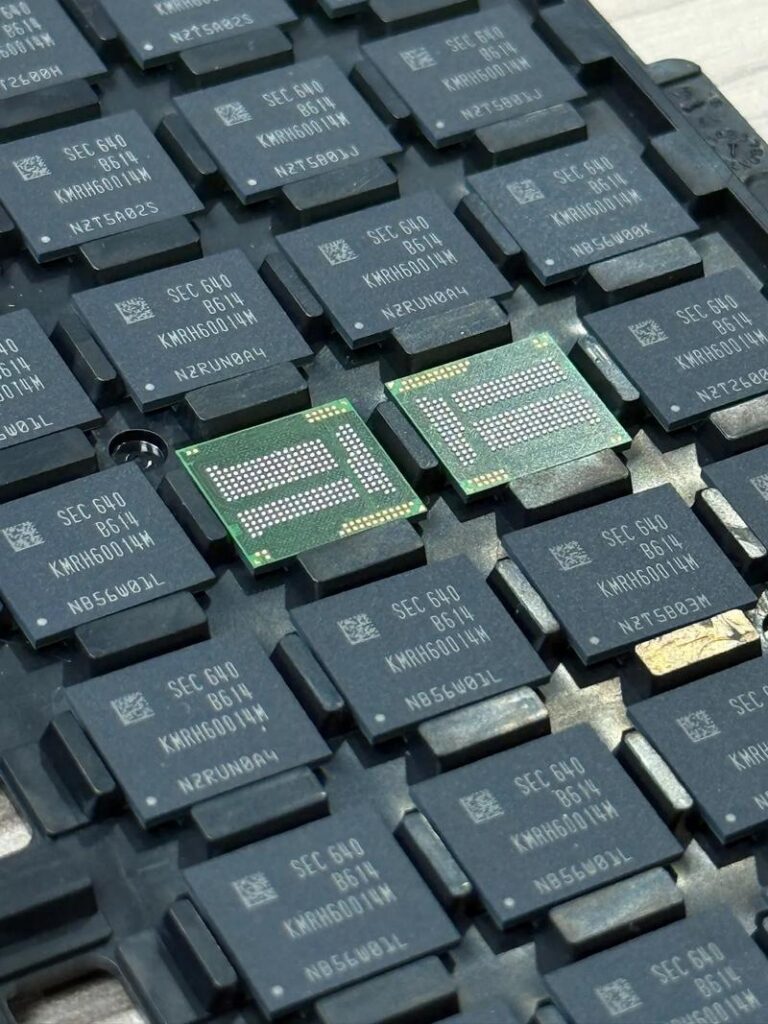
Transsion officially cited two factors for the slump: rising component costs and heavy investment in new businesses. But the real profit-killer? Skyrocketing storage chip prices.
Transsion’s bread and butter lies in ultra-affordable feature phones and entry-level smartphones:
- Average selling price per device: around 370 yuan
- Profit per unit: a mere 16 yuan
Feature phones sell for just over 100 yuan, while mainstream smartphones hover around the 500-yuan mark. For low-end devices, storage chips account for a staggering 20% to 30% of total costs—meaning a 500-yuan phone spends over 100 yuan on storage alone.
In the second half of 2025, storage chip prices doubled. For a company scraping by with just 16 yuan in profit per phone, an unexpected extra cost of over 100 yuan per unit was nearly a death blow:
- Raise prices: African consumers are notoriously price-sensitive—any hike would risk losing critical market share.
- Keep prices steady: Absorb the added costs, and profits get completely erased.
That’s the core reason behind the profit halving.
III. A Second Front: Cash-Burning New Ventures, Caught Between a Rock and a Hard Place

To break free from its overreliance on the mobile phone business, Transsion is aggressively expanding into new territories in Africa, including:
- Electric motorcycles (under brands like Revoo and TankVolt)
- Energy storage solutions
- Digital accessories and ecosystem products
These new ventures show promise, but they’re still in the heavy investment phase: R&D, distribution, marketing, and factory construction—every step burns through cash.
As a result, Transsion is stuck between two tough spots:
- Core business: Choked by soaring storage costs.
- New businesses: Still bleeding cash, with no profit to show for it.
A profit slump was all but inevitable.
IV. It’s Not Just Transsion: Budget Smartphone Brands Are All Feeling the Pinch
Transsion’s struggle isn’t an isolated incident. This wave of storage price hikes has hit budget-focused, thin-margin brands the hardest.
Low-end phones have high cost ratios and barely any room for price increases. A few hundred yuan extra on a high-end device barely registers with consumers, but even a tens-of-yuan hike on a budget phone is enough to drive users away.
Brands like Redmi and realme are also grappling with profit pressure from rising costs. Transsion is just the first major player to publicly stumble under the strain.
V. A Rocky Road Ahead: Three Tough Choices for Transsion
Moving forward, Transsion has three options—and none of them are easy:
- Hold prices steady: Protect market share, but endure continued profit pressure.
- Grind out a price hike: Safeguard gross margins, but risk losing its grip on Africa’s market.
- Double down on new businesses: Hope electric motorcycles and energy storage scale up quickly to plug the gap left by flagging mobile profits.
The upward trend in storage chip prices shows no signs of slowing. In 2026, Transsion—and the entire budget smartphone industry—are in for their toughest year yet.