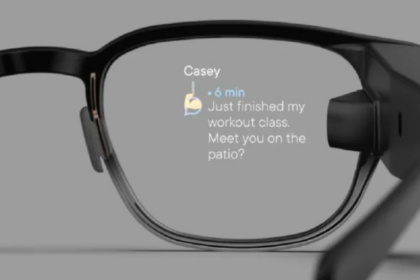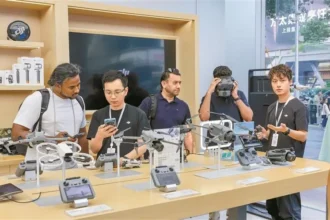
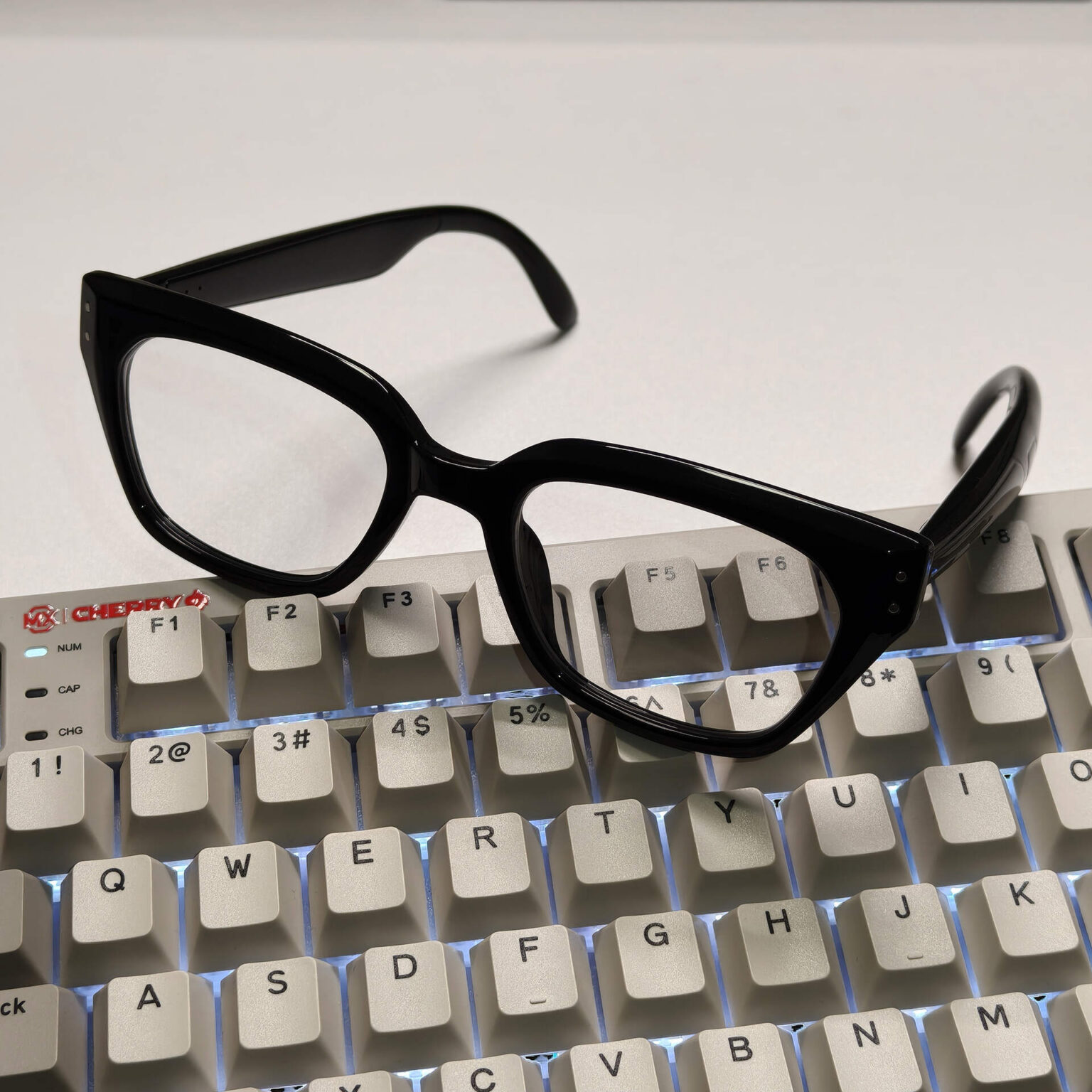
As a global trendsetter in technology and known as “China’s No.1 Electronics Street,” Shenzhen’s Huaqiangbei has recently pulled large quantities of low-cost smart glasses priced at around 100 yuan (approximately $14.58) from its shelves.
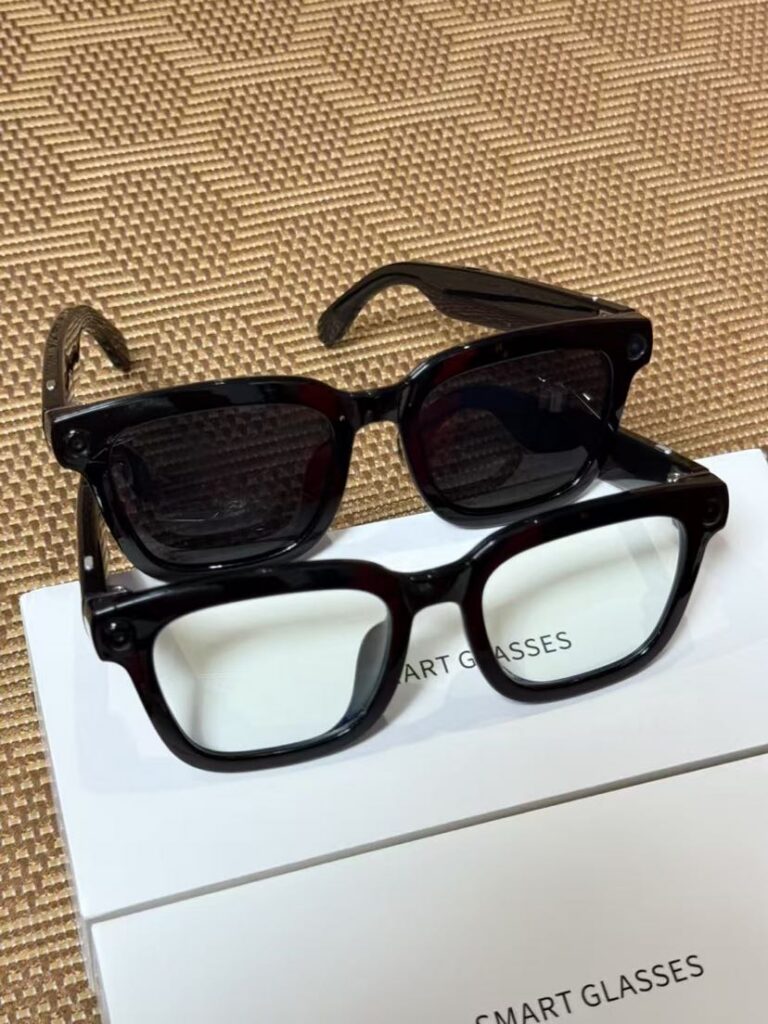
A recent on-site visit to electronics malls including Huaqiang Electronics World in Huaqiangbei revealed that most unbranded smart glasses priced below 400 yuan (approximately $58.32) have been removed from sale. Only a handful of counters remain, including specialty stores for brands such as Leqi.
In contrast, during a visit in late November 2025, numerous unbranded smart glasses were widely available across multiple markets in the district. On the second floor of Huaqiang Electronics World, for example, most counters selling Bluetooth earphones and other electronics also stocked a wide variety of unbranded smart glasses in diverse styles, priced between 100 yuan and 400 yuan.
Why have low-cost smart glasses been removed on such a large scale in such a short time? Interviews with multiple Huaqiangbei vendors provide insights.
“If the products don’t sell well, we naturally stop displaying them,” a vendor on the second floor of Huaqiang Electronics World who previously sold unbranded smart glasses told reporters.
“We sell whatever is popular,” another merchant stated.
“Currently, several-hundred-yuan smart glasses with camera functions are still too expensive for consumers because they still need to be used with a phone—photos are stored on the phone and must be viewed on the phone. In comparison, Bluetooth smart glasses are more acceptable to consumers: first, they are reasonably priced, usually between several dozen and over 100 yuan (approximately $14.58); second, they solve pain points when using a phone is inconvenient, such as answering calls and listening to music while driving or running. Spending around 100 yuan to try something new as a supplement to a phone is still acceptable,” said Sister Mei, who has run an electronics business in Huaqiangbei for nearly 20 years.
Even so, the investigation found that only a very few counters still sell Bluetooth smart glasses.
Interestingly, the status of smart glasses in Huaqiangbei has fluctuated dramatically since 2025: at the beginning of 2025, smart glasses were scarce; by the end of the year, a large number of 100-yuan unbranded smart glasses emerged; and now, the number of vendors selling smart glasses has decreased again.
“There weren’t many unbranded smart glasses at the start of 2025 mainly because manufacturers were intensifying R&D, and product technology maturity was insufficient with relatively high costs. By the end of 2025, when a large number of unbranded smart glasses appeared, technology maturity had greatly improved and costs had significantly dropped. However, judging from subsequent sales, these products remain niche with few buyers,” a Huaqiangbei vendor explained.
Industry statistics show that the return rate for AI glasses on Amazon is approximately 30%, while on Douyin it reaches as high as 40% to 50%. Behind the high return rates, “insufficient functional practicality” is the core issue cited by consumers.
Notably, vivo recently halted its internal AI smart glasses project that had been in preparation for nearly half a year. Sources indicate the core reasons were that the product direction remained undecided and it was difficult to establish sufficiently clear and perceptible product differentiation at this stage.
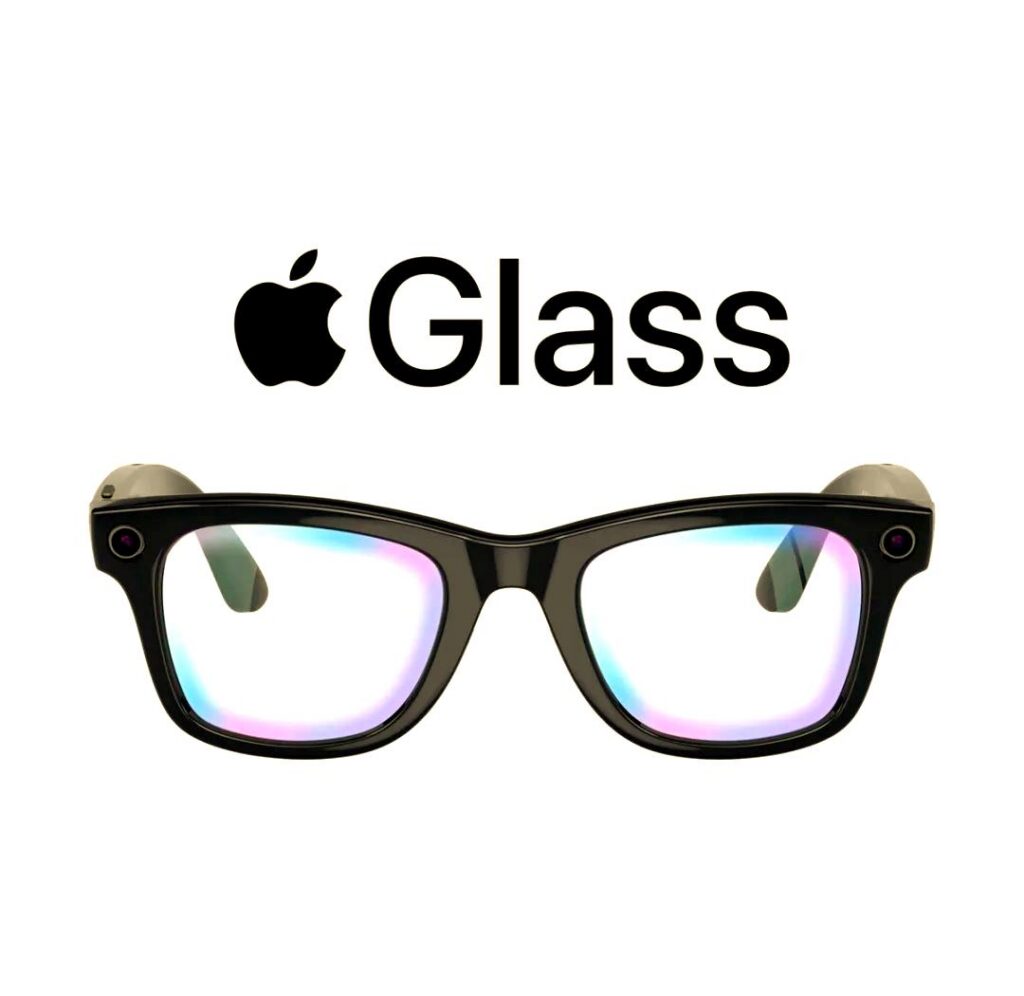
However, recent media reports state that during an all-hands meeting, Apple CEO Tim Cook personally confirmed that the company is accelerating its AI hardware layout. The highly anticipated AI smart glasses have entered the final sprint of internal development and are regarded as Apple’s key next-generation core device to succeed the iPhone.
IDC data shows that global smart glasses shipments are expected to reach 12.8 million units in 2025, a year-on-year increase of 26%; among them, the Chinese market will exceed 2.75 million units, a year-on-year growth of 107%, ranking first globally in growth rate. In 2026, global shipments are projected to reach 23.687 million units, and Chinese shipments will exceed 4.915 million units, officially entering a stage of large-scale growth.
Meanwhile, in 2026, smart glasses were included for the first time in the national large-scale equipment renewal and trade-in subsidy program, listed as a key supported category alongside mobile phones and tablets.
“Currently, the industry has not reached a consensus on the future prospects of smart glasses, leading to divergences in development directions among major tech companies. However, once Apple enters the market, this sector may quickly gain popularity and expand in scale,” industry insiders noted.