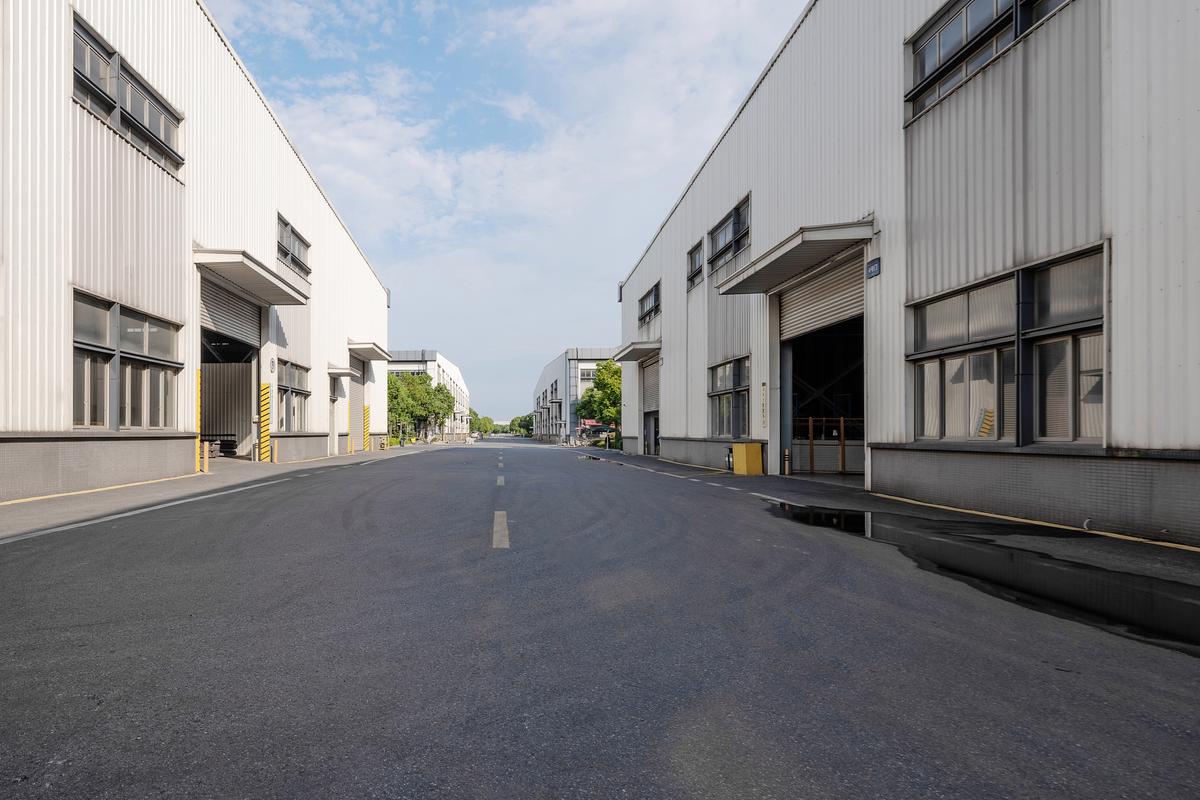
2026 has gotten off to a terrible start. Even before the Spring Festival, in early February, numerous factories have collapsed under pressure, with building materials and electronics factories being the hardest-hit sectors. If manufacturing plants are shutting down, will ordinary workers still have a way to make a living?
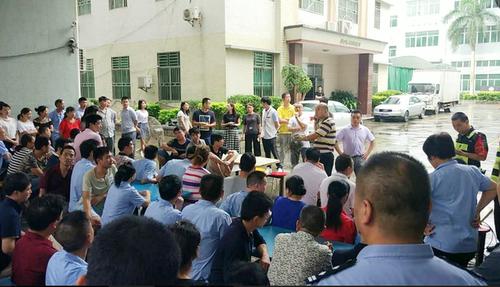
Bad news of factory bankruptcies has spread across many regions. On February 28, the People’s Court of Nanhai District, Foshan, Guangdong, issued an announcement officially declaring Lvgge Hollow Glass Materials (Foshan) Co., Ltd. bankrupt.
The court accepted the company’s bankruptcy application back on June 20 last year. After more than half a year of review and liquidation, the company’s assets were insufficient to pay off its debts, and restructuring was deemed impossible, leading to its official bankruptcy. Founded in 2019 with a registered capital of only 1 million yuan, the company was engaged in the wholesale of building materials and interior decoration materials.
On February 14, another industrial company in Zhongshan was declared bankrupt. Established 25 years ago with a registered capital of 100 million yuan, it specialized in building glass products, including insulating and laminated glass. After liquidation, the company was found deeply insolvent: assets of just over 30 million yuan against debts of 270 million yuan.
This shows that the winter of the construction industry has spread from upstream to downstream. Since the housing price drop in 2021, the past four to five years have seen continuous defaults by real estate developers, unpaid wages and layoffs at design institutes, and construction units unable to fund projects. Now, the fallout has reached building materials factories that rely on the construction industry.
Nor is the crisis limited to building materials—electronics factories are also declining sharply.
In late December 2025, an electrical appliance company in Foshan went bankrupt. On January 31, 2026, an electronics factory in Shenzhen issued a closure notice, ceasing all operations and laying off all staff. Although the factory settled salaries and compensation properly before disbanding, what will these unemployed workers do next?
Is “no jobs left” a real crisis or just social anxiety?
Right now, structural unemployment caused by downturns in certain industries is indeed severe. However, outside the construction sector, jobs that can support a family are still available—if you are not too picky. Meanwhile, flexible employment and freelancing are booming, with many small but viable ways to earn money.
It is safe to say that the period of rapid growth seen in the past is unlikely to return. Most industries have shifted from blue oceans to red oceans—money is no longer easy to make, but opportunities are still everywhere, requiring more effort to manage our lives.
Take a friend of mine as an example. He has developed multiple skills to earn more: working diligently on weekdays, and doing part-time self-media (articles and short videos) on weekends and evenings. He shares work and life insights in articles and records family life in videos. During holidays like Spring Festival, he even sets up street stalls to earn extra income.
He has become a one-person team. Tiring as it is, he earns much more than a regular full-time job and gains valuable experience.
In the future, traditional office or factory work will become the least cost-effective way to make a living, but we are far from a “no jobs left” scenario.
There are still plenty of tough, low-paying jobs available—tiring, poorly treated, and often low-paid (around 2,000–3,000 yuan a month).