No matter how powerful AI becomes, it is only a top-tier “super executor” and “data wizard.” It has no self-awareness, no physical body, and will never take the initiative to bear responsibility. Therefore, any job driven by core human qualities and requiring real accountability can never be replaced by AI.
I. Jobs That Require Hands-On Experience in the Chaos of Reality
AI excels at efficient work in the structured digital world and standardized assembly lines, but it immediately “malfunctions” in real-life scenarios. The complexity, chaos, and non-standardization of the real world are exactly AI’s weaknesses.
Take a mechanic for example. Without sophisticated testing equipment, they can accurately diagnose a worn chassis bushing or a loose part just by listening to the engine’s abnormal noise and feeling the car’s vibration. Although AI can analyze massive amounts of fault data, it can never turn accumulated intuition and experience into quantifiable digital signals.
The same goes for surgery. AI can precisely plan pre-operative procedures and simulate surgical processes, but when actually operating, dealing with the subtle touch of human tissue and unexpected bleeding during surgery—all on-the-spot responses and tactile control rely on the surgeon’s experience and intuition. Like a top athlete’s final shot, it is full of unpredictability that no precise calculation can replicate.
II. Jobs Centered on Conveying Human Connection and Trust
AI can mimic human conversation and respond accurately to needs, but it can never build genuine trust. Trust is never built on cold algorithms, but on empathy, sincere eye contact, and those indescribable, invisible bonds.
For high-end sales—whether selling luxury homes, private equity funds, or premium consulting services—clients buy not the product itself, but trust and reliance on the salesperson, the sense of security that “I can leave it to you.” AI can generate detailed product reports and data analysis, but it can never provide this heartfelt trust and warmth.
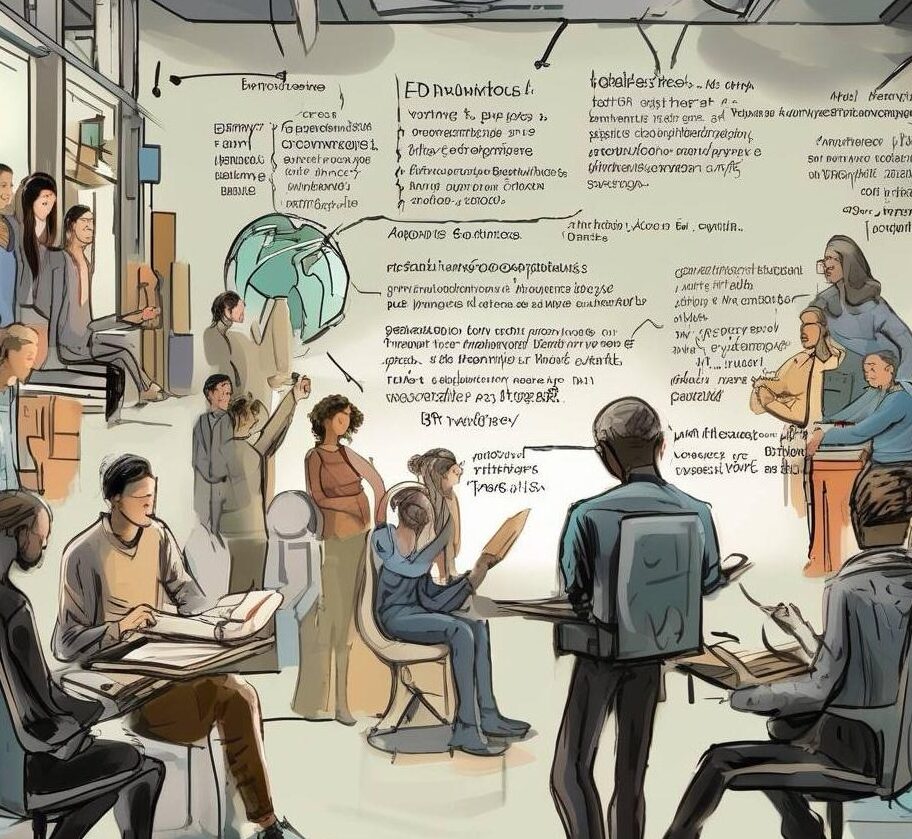
The same applies to education and management. A good teacher can instantly see a student’s distraction and confusion, and inspire their potential in the right way. A good leader can sense the emotions of team members, unite hearts, boost morale, and lead everyone through difficulties. These abilities come from a deep understanding of people and emotional connections, not just data.
III. Jobs That Demand Zero-to-One Original Creativity
Today’s AI is best at integrating and optimizing existing information to achieve perfection within a fixed framework. But it has no desires, no ambitions, and no creative impulse to break rules and subvert frameworks. It excels at “addition,” but not “multiplication,” let alone zero-to-one breakthroughs.
The fundamental breakthroughs in science and art are examples. Einstein’s theory of relativity came not from stacking data or formulas, but from a subversive thought experiment and a complete break from conventional wisdom. The works of great artists are not stylistic collages, but expressions of unique souls rooted in personal experience, emotion, and reflection. AI can assist in verifying ideas and refining works, but it can never generate such original inspiration out of thin air.
The same is true for strategic decisions in business. When Jobs insisted on creating the iPhone, it was not because market research told him “people need a touchscreen phone,” but from his profound insight into user needs and the belief that “people will love it.” This kind of intuition-driven, bold, long-term decision is something AI can never make—it only answers to historical data, never dares to bet on the unknown future.
IV. Jobs That Require Bearing Consequences and Making Tough Choices
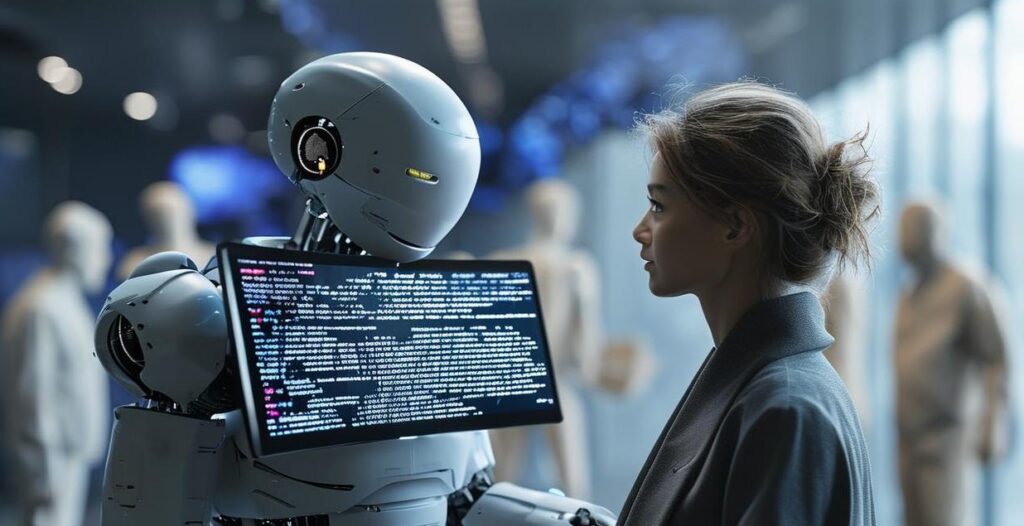
AI can offer countless optimal options based on data, but it can never take responsibility for the ethical, moral, and real-life consequences of choices. Decisions concerning life, fairness, and dignity, and moments when someone must take the blame, can only be shouldered by humans.
Take a doctor’s final diagnosis. AI can assist in analyzing lesions and offering suggestions, but when delivering the cruel news of terminal cancer, the empathy, comfort, company, and reverence for life can only come from a doctor. Treatment choices, related to a patient’s quality of life and dignity, are human value judgments, not cold algorithmic results.
Similarly, a judge’s verdict. When facing conflicts between reason and law, balancing justice and humanity, AI can list all laws and past cases, but cannot make the final judgment. This ruling requires a judge’s conscience and social responsibility to balance fairness and warmth, and bear all consequences— a human weight that machines can never carry.
Ultimately, the future workplace is never about humans vs. AI, but humans with AI. What we should do is not fear AI, but learn to cooperate with it.
Leave repetitive, mechanical, quantifiable work to AI: let it process data, draft content, and execute assembly-line tasks, freeing up your time and energy.
You should focus on what only humans can do:
root in reality, solve complex problems,
build trust, deliver warmth,
dare to innovate and break rules,
make tough but responsible choices.
What you should truly fear is not being replaced by AI, but being replaced by someone who uses AI and masters core human abilities.
In the future, the core competitiveness of the workplace is never “calculating faster or executing better than machines,” but “controlling machines, injecting soul, and taking responsibility.”
Be the captain who steers the direction, not the sailor who competes with machines for computing power—and you will stand firm in the waves of the future.