The latest China smartphone market report for January 2026 from Counterpoint Research is truly shocking. The entire industry is in despair, with only one company quietly celebrating—the contrast is absolutely staggering.
Here’s the core conclusion:
Total China smartphone sales in January plunged 23% year-on-year. What’s more, every major domestic brand we know has suffered double-digit declines, making this an “epic winter” for the industry to start the year.
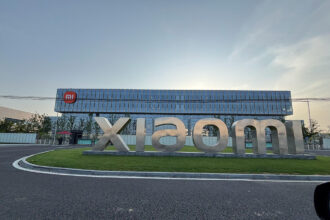
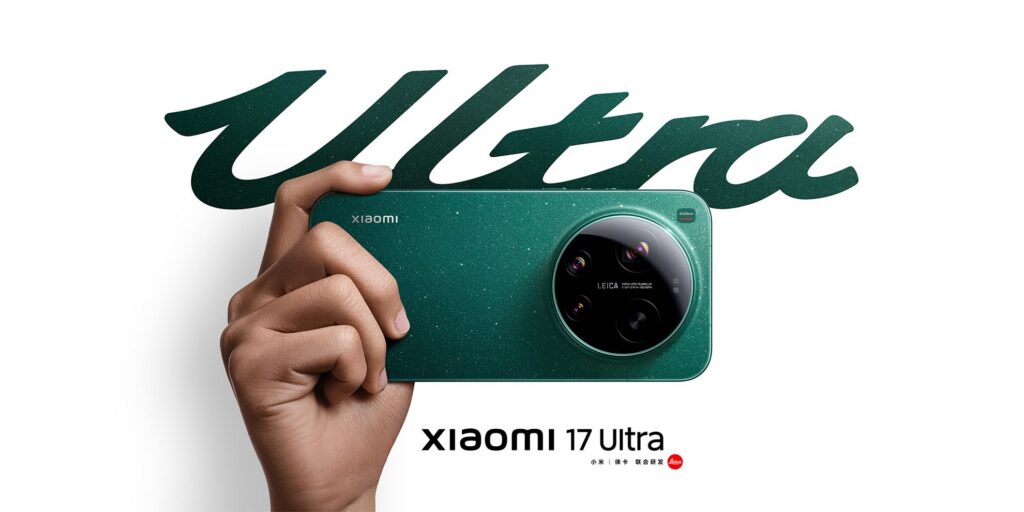
The hardest hit is Xiaomi, with a 36% year-on-year drop—its worst performance on record.
Once firmly among the top tier, Xiaomi has now fallen to fifth place in market share, on par with Honor. Netizens joked: the two brands really have to “huddle together for warmth.”
But Xiaomi is far from alone. The entire domestic smartphone lineup is struggling, with none spared.
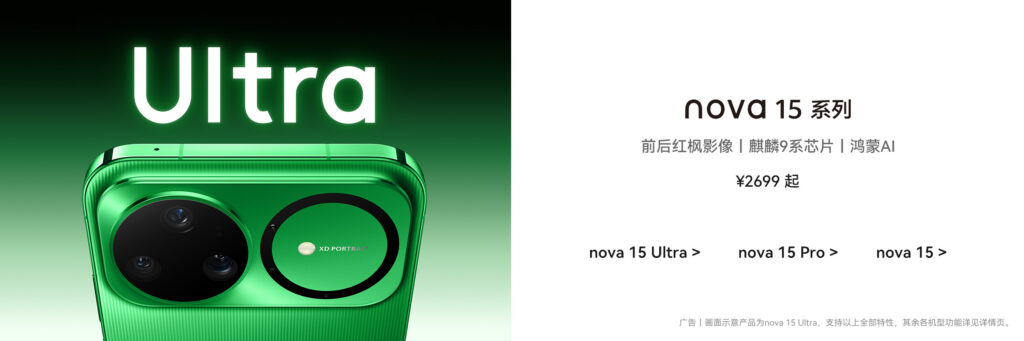
- Huawei down 27%Although it still holds the top spot in market share, the decline is striking, mostly propped up by the Mate 80 base model; Nova series performance is far weaker than last year.
- vivo down 29%Even its offline channel advantage couldn’t withstand the industry freeze.
- Honor down 26%Dropped to fifth alongside Xiaomi, making them unfortunate companions.
- OPPO (including OnePlus and realme) down 19%The smallest decline among domestic brands, but still no positive growth.
Many thought 2026 would be a strong year for Chinese phone makers. Instead, the year began with a cold splash of reality, leaving the market filled with pessimism.
Many are asking: Is the collective double-digit slump among domestic brands really just a coincidence?
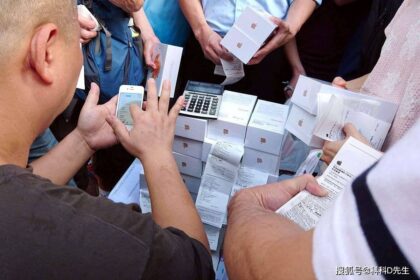
While all Chinese brands were struggling in the market, only Apple walked out smiling—the clear winner.
Against the backdrop of a collapsing market and universal declines from local brands,
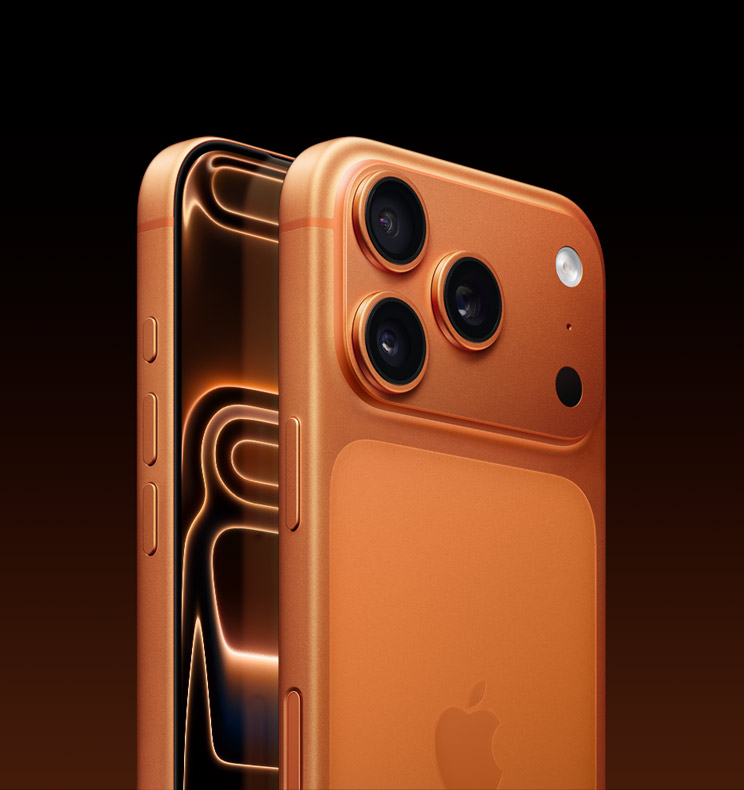
Apple grew 8% year-on-year, lifting its market share to 19%, tying Huawei for first place and hitting its highest January level in five years 👏
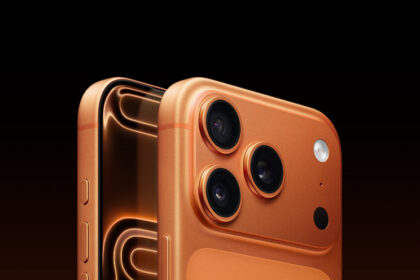
Reasons include strong ongoing demand for the iPhone 17 series, improved value-for-money with government subsidies on the standard model, strong iOS ecosystem loyalty, stable pricing, and far better cost control than domestic competitors. Apple successfully captured demand from high-end and hesitant users.
To be honest: Consumers today increasingly value stability and reliability.
Choosing an iPhone for phones, Tesla for EVs, or BMW/Mercedes/Audi for gas cars isn’t just trend-chasing—it’s a rational choice proven by the market.
In an industry winter, those that maintain reputation and grow against the trend clearly have their strengths.
What do you think of the January 2026 smartphone market?
Which phone are you using now?
For your next upgrade, will you choose Apple or a domestic brand?