At noon, I went downstairs for lunch. On the streets, countless food delivery riders were rushing around on electric scooters, many of them teenagers with youthful faces.
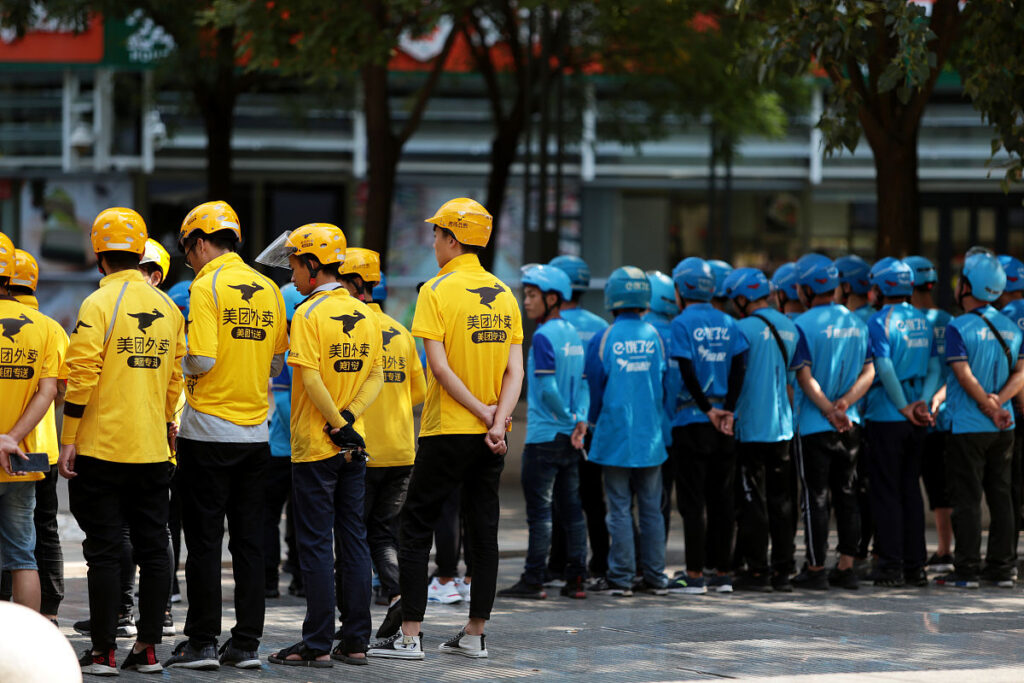
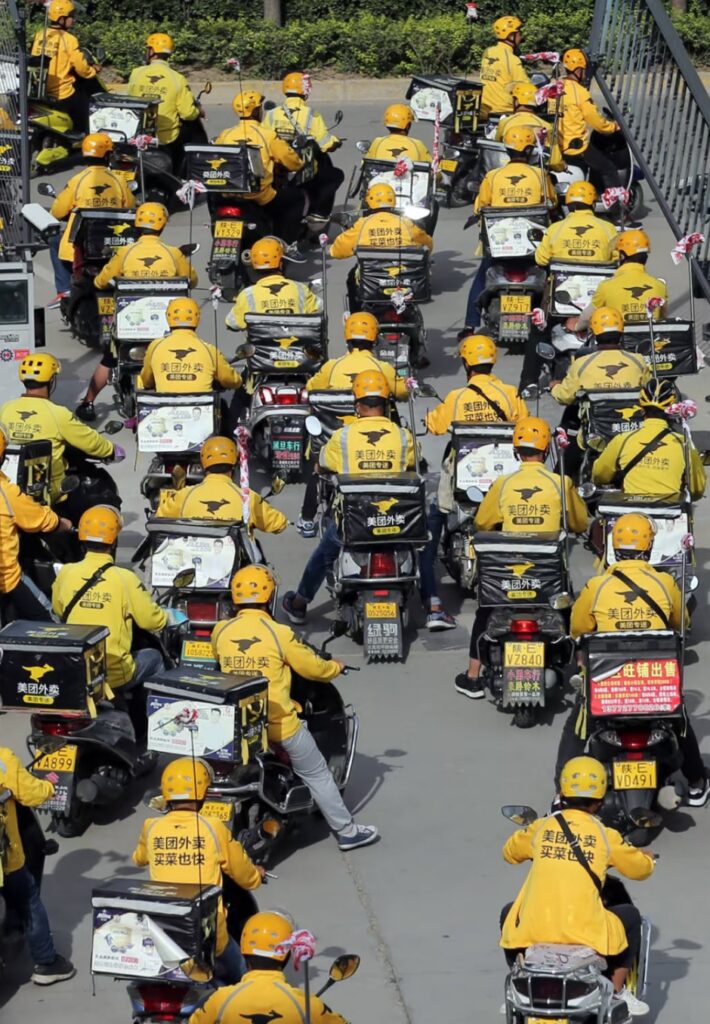
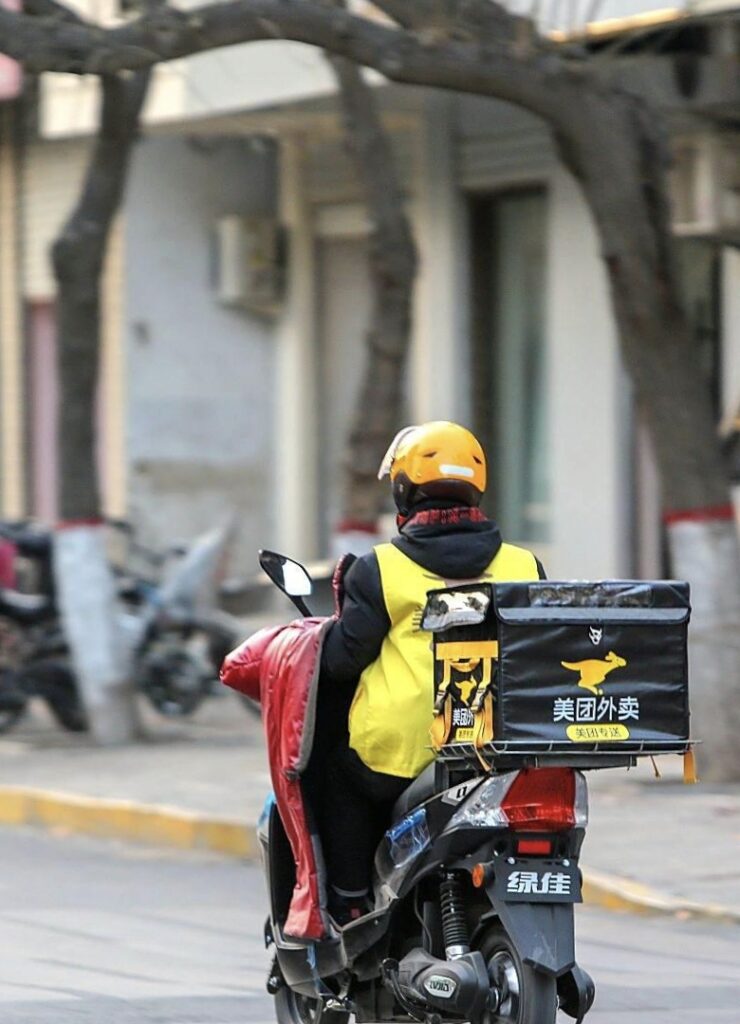
In Shanxi, winter temperatures approach minus 20 degrees Celsius. Hands quickly go numb in the cold, yet they still keep working to make a living.
Many people say that today’s young people can’t endure the hardship of factory work, that they lack perseverance and only want comfort. As someone who has been there, I want to say this: it’s not just the young people’s problem—it’s the factories’ problem, a problem caused by failing to keep up with the times.
When I was a student, I worked in factories during summer vacations, so I have a lot to say about why people are unwilling to work there anymore.
1. Working hours are too long
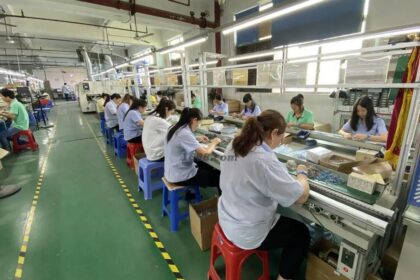
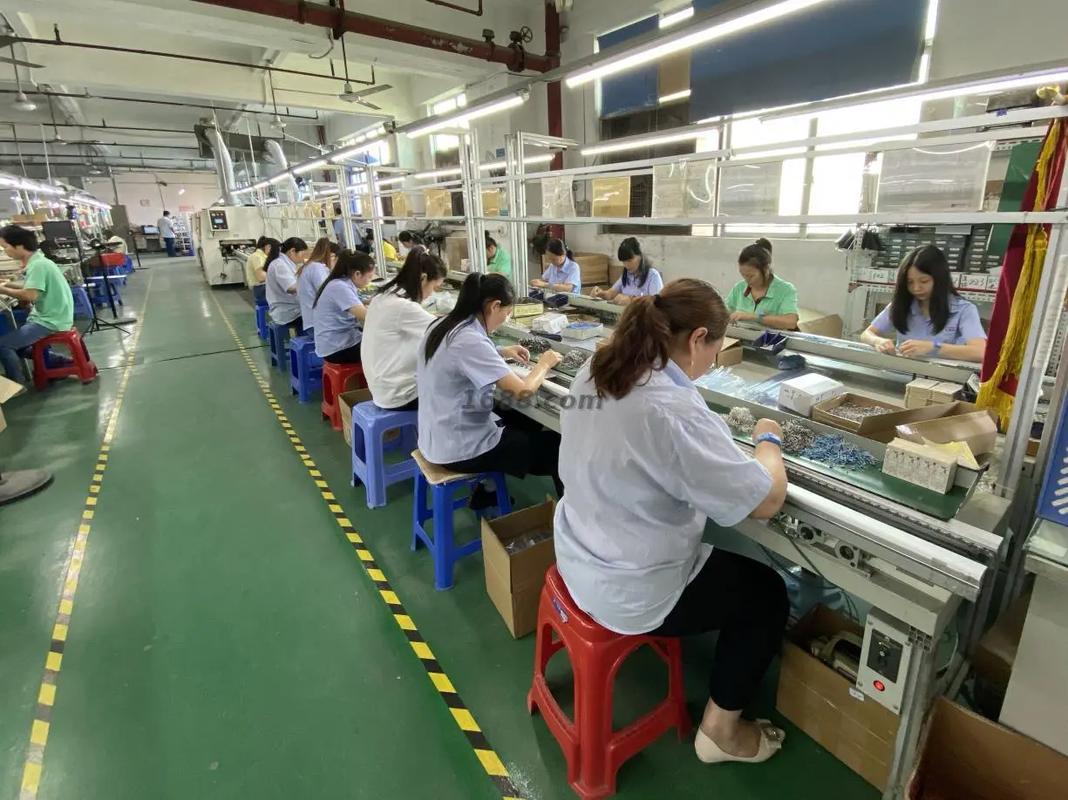
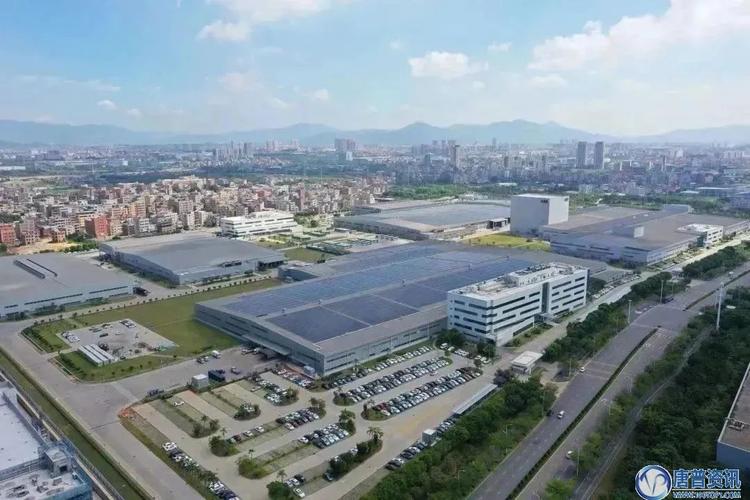
I once worked in a solar panel factory with 12-hour day and night shifts, rotating every two weeks.
There were no weekends off—only two days of rest when switching shifts.
Compared to this schedule, even the 996 work system seems lucky, because at least you still have some personal time.
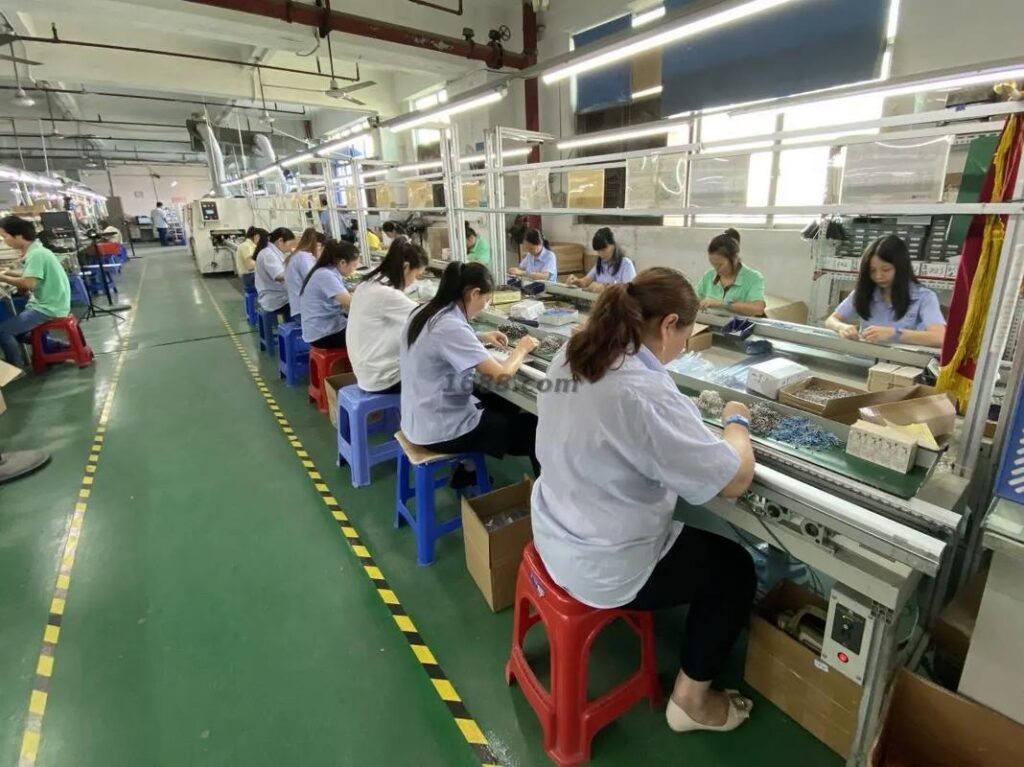
In the factory, every day was just repetitive work on the assembly line. Sometimes we worked up to 16 hours a day. By the time I got off work, I was so tired that I only wanted to sleep.
The dormitory was an 8-person room, with day-shift and night-shift workers living together. When you finally wanted to rest, others were just getting back from work, seriously affecting your sleep. It was a vicious cycle of exhaustion.
How can young people put up with this? They deserve at least a little time for games, shopping, and their own lives.
2. Salaries are too low
Most factories only pay a basic salary of around 2,000 yuan, plus small attendance bonuses and overtime pay.
The 5,000–6,000 yuan advertised is only the theoretical maximum, not the real wage.
If you take one day off, you lose your full-attendance bonus. So people dare not ask for leave, even when sick. They work crazily overtime during holidays, otherwise they would only earn 3,000–4,000 yuan a month.
For factory workers, an 8-hour day with weekends off simply isn’t enough to support a family.
Factories also have busy and slow seasons. During off-peak months, there’s no work—and no pay. So workers can only earn steady wages for about 9 months a year.
People are not machines. They can’t keep pushing themselves nonstop.
3. The working environment is harsh
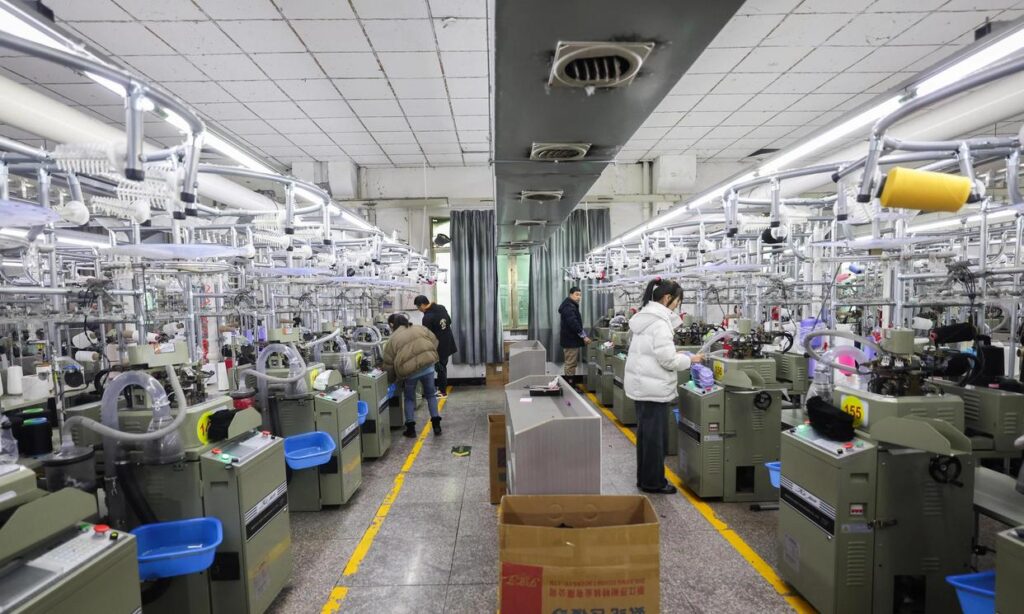
Before entering the workshop, you had to change into a uniform and store all personal belongings. Most jobs required standing for the entire shift, even if sitting was possible.
You couldn’t move around freely. To go to the toilet or get a drink, you needed a leave pass and had to find someone to cover your position.
Lunch breaks were only 40 minutes. By the time you queued and got your food, you had barely 10 minutes left to eat.
Worst of all was the verbal abuse from managers. I was once sworn at by a supervisor in front of the whole workshop. As a young man, I could not accept such humiliation.
Today’s young people are mostly raised with care and love. Few have ever suffered this kind of unfair treatment.
As the saying goes: employees quit either because they are underpaid, or because they feel disrespected.
In factories, both are true: low pay and bad treatment. It feels more like serving a sentence than working.
By contrast, food delivery and courier work are tiring, but at least you are free—free in time, and free in dignity.
So it’s not that people refuse to work in factories.
It’s that outdated management and low wages no longer attract young people.
They are not afraid of hard work.
What they fear is being disrespected, misunderstood, and trapped in a closed world where their future is set in stone.