
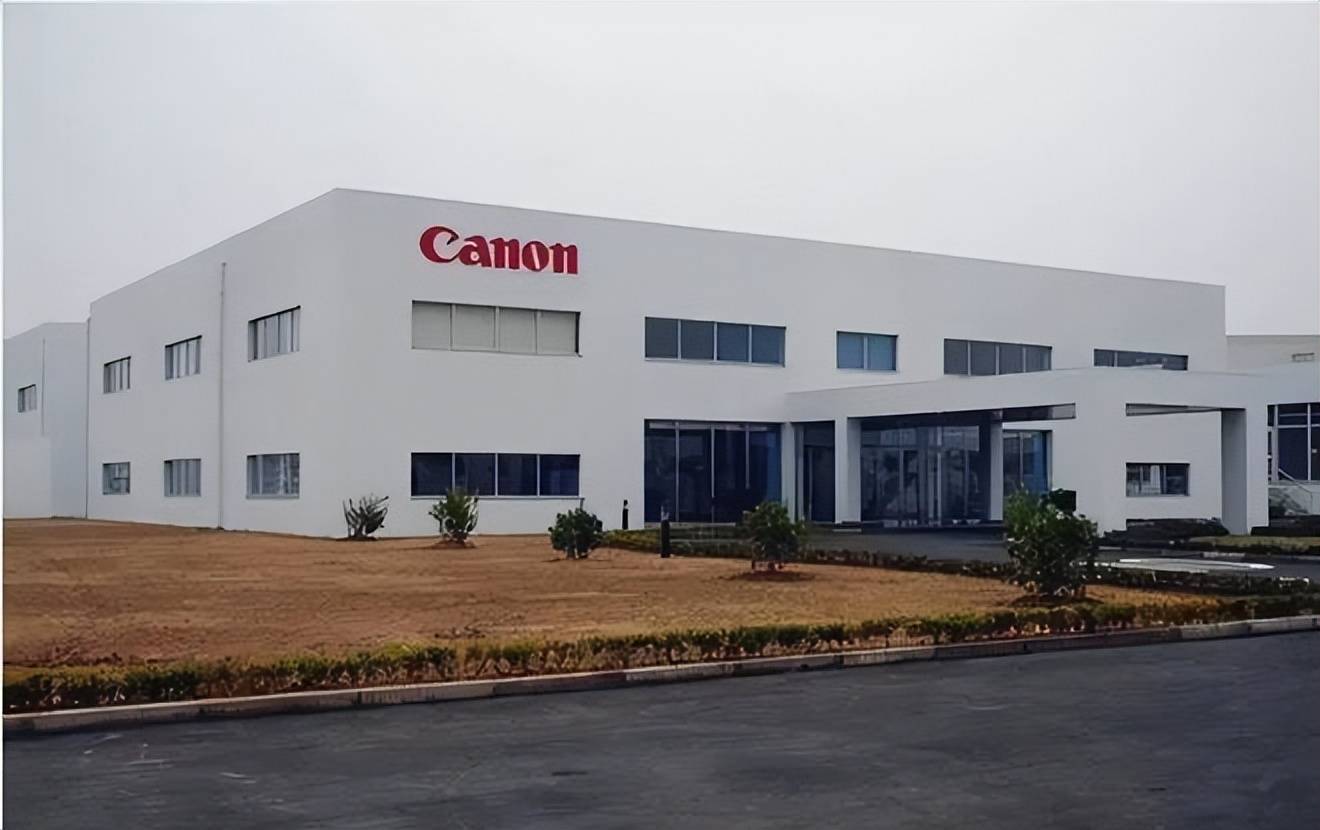
In early 2026, Canon’s Shenzhen factory, which had operated for more than three decades, officially came to an end. Public opinion has downplayed it as a “foreign capital strategic adjustment” or “industrial transformation and upgrading”, yet it conceals the collective collapse of an entire micro-economic ecosystem behind the halted machinery.
I. The Middle-aged Forgotten by the Era: Three Decades Bound to One Process, Now Stranded in a Strange World
Thousands of employees received N+1 severance packages, only to be abruptly cast into an unfamiliar job market.Many had worked from their 20s to their 50s, devoting half their lives to a single process, a single machine. Their skills were hyper-specialized, like keys made only for Canon.Now the lock has changed, and the keys have become useless scrap overnight.Electronic factories favor young workers willing to pull 12-hour night shifts; intelligent manufacturing demands programming, automation, and English skills—barriers these middle-aged workers, silent on production lines for half a lifetime, have never crossed.
Severance can cover half a year’s rent, but not children’s tuition, parents’ medical bills, let alone the shattered professional dignity.
They were not eliminated by the market—they were systematically forgotten.
In an era that worships new-quality productivity yet refuses to support the old, they have become the most silent cost of progress.
II. The Supply Chain Domino Effect: When the Big Tree Falls, the “Hidden Champions” Beneath Suffocate
Even quieter than the workers are the small and medium-sized suppliers rooted here for years.Over three decades, Canon had woven an intricate local supply chain: precision molds, metal stamping, anti-static packaging, dedicated logistics… These were small-scale players, yet hidden champions in their niche fields.Once the main assembly line stopped, the entire ecosystem was instantly starved of oxygen.
The owner of an exclusive injection molding supplier said bluntly:
“80% of our capacity was tied to Canon. Once it leaves, orders dry up, equipment sits idle, workers are laid off, banks pressure for loans—in three months, the company dies.”
This is not normal market competition—it is sudden ecosystem death.
They have no cross-border layout, no capital infusion, no policy spotlight. Like mycelium at the bottom of a forest, they held up the giant tree, yet decay first when it falls.
In the grand narrative of industrial upgrading, these supporting roles are never named.
III. The Illusion of Dependent Prosperity: The Fragile Truth of the World Factory
Canon’s departure is merely a mirror.We once believed: as long as land is cheap, policies favorable, and labor abundant, we could keep global capital forever. So we scrambled to attract investment, built industrial parks, and chased GDP growth, yet rarely asked:Do these factories really belong to us?The answer is no.They belong to headquarters far away. When costs rise or strategies shift, they can leave at any time, leaving a mess behind.Samsung left, Omron left, and now Canon.Each time we call it the “cost of upgrading”, yet we have never built real endogenous industrial dominance.Genuine industrial upgrading is not just replacing workers with robots or assembly lines with chip factories.It is letting local enterprises seize technological discourse, market pricing power, and ecosystem control.
Otherwise, so-called high-end manufacturing is merely replacing low-end dependence with high-end dependence—we still work for others’ innovations.
IV. Upgrading Cannot Ignore “People”: Rebuilding a Humane and Resilient Industrial Ecosystem
We support intelligent manufacturing and embrace new-quality productivity.But any upgrading that ignores people is cold-blooded exploitation.A resilient economy must answer three questions:How to help veteran workers transition smoothly and with dignity?How to let small and medium-sized suppliers survive independently, not tied to a single client?How to truly nurture our own leading enterprises and industrial roots?If we only bid farewell to foreign capital, comfort workers, attract new investors, and wait for the next giant to leave—his cycle will only hollow out the economic body further.Do Not Let One Tree Fall and Wither the Entire ForestCanon’s leaving is not terrifying. What is terrifying is that we are still repeating the same script.When a giant tree falls, the whole forest should not wither.True strength means that after giants leave, shrubs still sprout and saplings break ground beneath.What we need is not more signing ceremonies for Fortune 500 companies,but more local industrial cells that can breathe, multiply, and decide for themselves.Shenzhen may not have wept,but those uprooted lives, those quietly collapsed livelihoods, those neglected costs—they deserve to be seen, remembered, and changed.