Recently, my company sent me to a well-known wiring harness factory for a week of “grounded” hands-on training—working as a general laborer, tightening screws, and doing assembly work. Officially, it was grassroots learning; unofficially, I was just curious and excited. Who hasn’t seen videos of factory workers online? I finally got to experience for myself what it’s really like to “tighten screws” for a living.
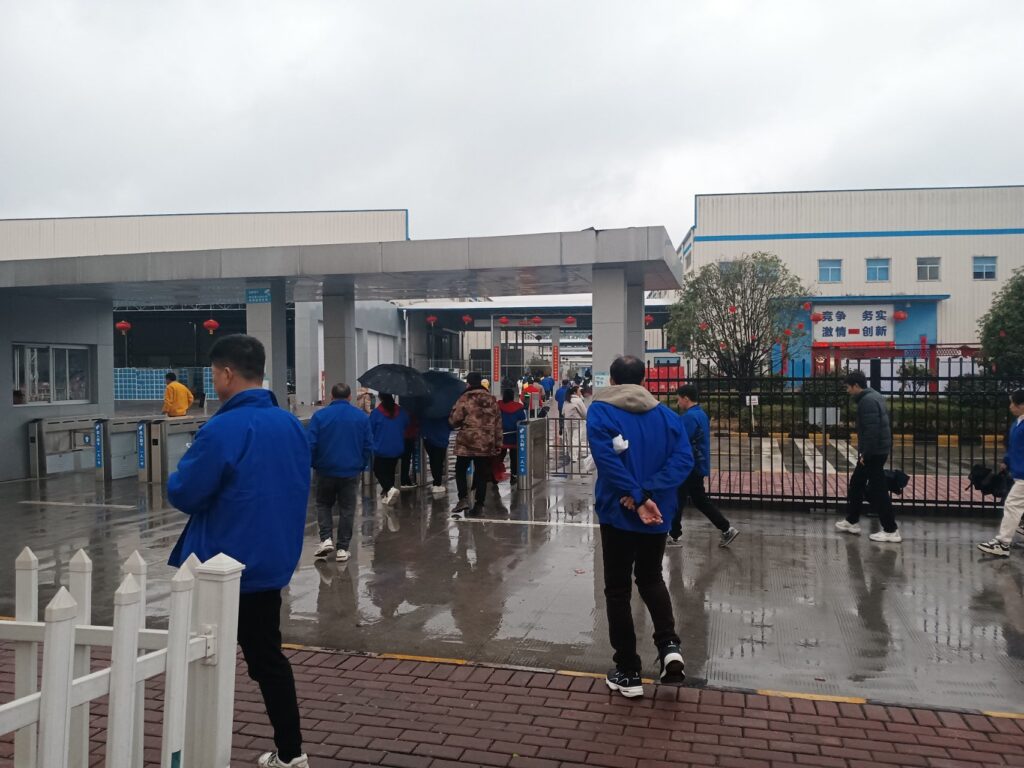
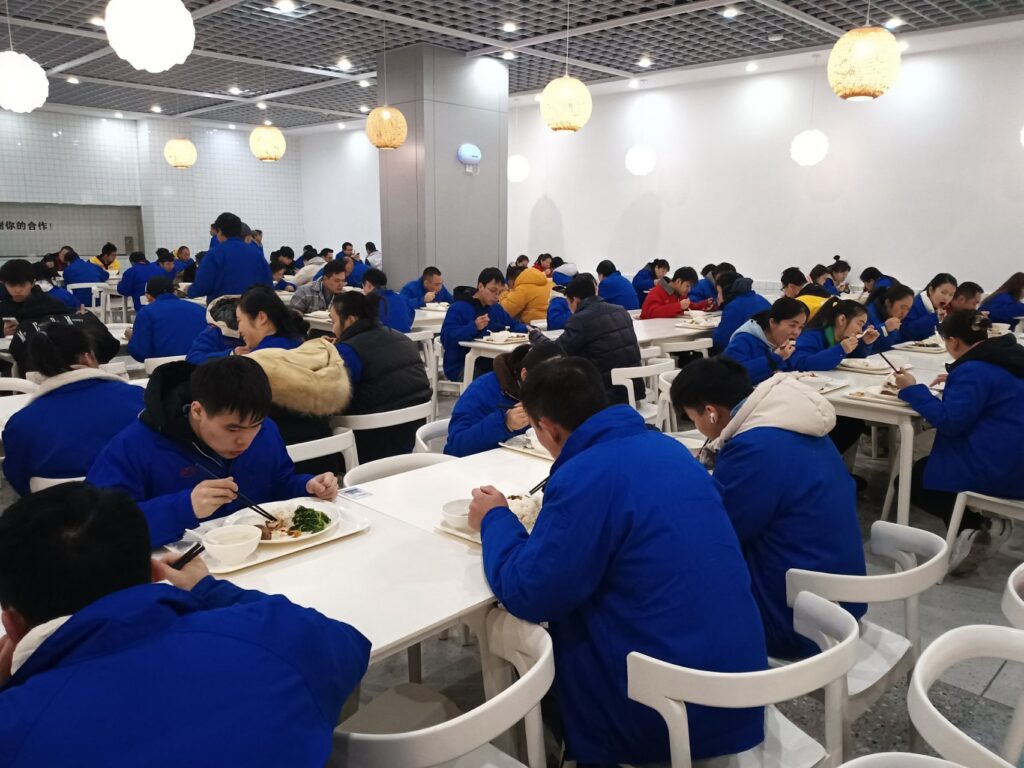
Let’s start with the daily routine: strictly regular, almost rigid. I arrived at 8 AM sharp, changed into my work uniform, put on my ID badge, and had to be at my station ready to work exactly at 8. Lunch was at 12 noon, with only one hour to eat and rest. The cafeteria food wasn’t amazing, but it filled you up. I’d wolf it down quickly, barely having time to rest my eyes. Work resumed at 1 PM, continuing until 5 PM—no delays, no early finishes.
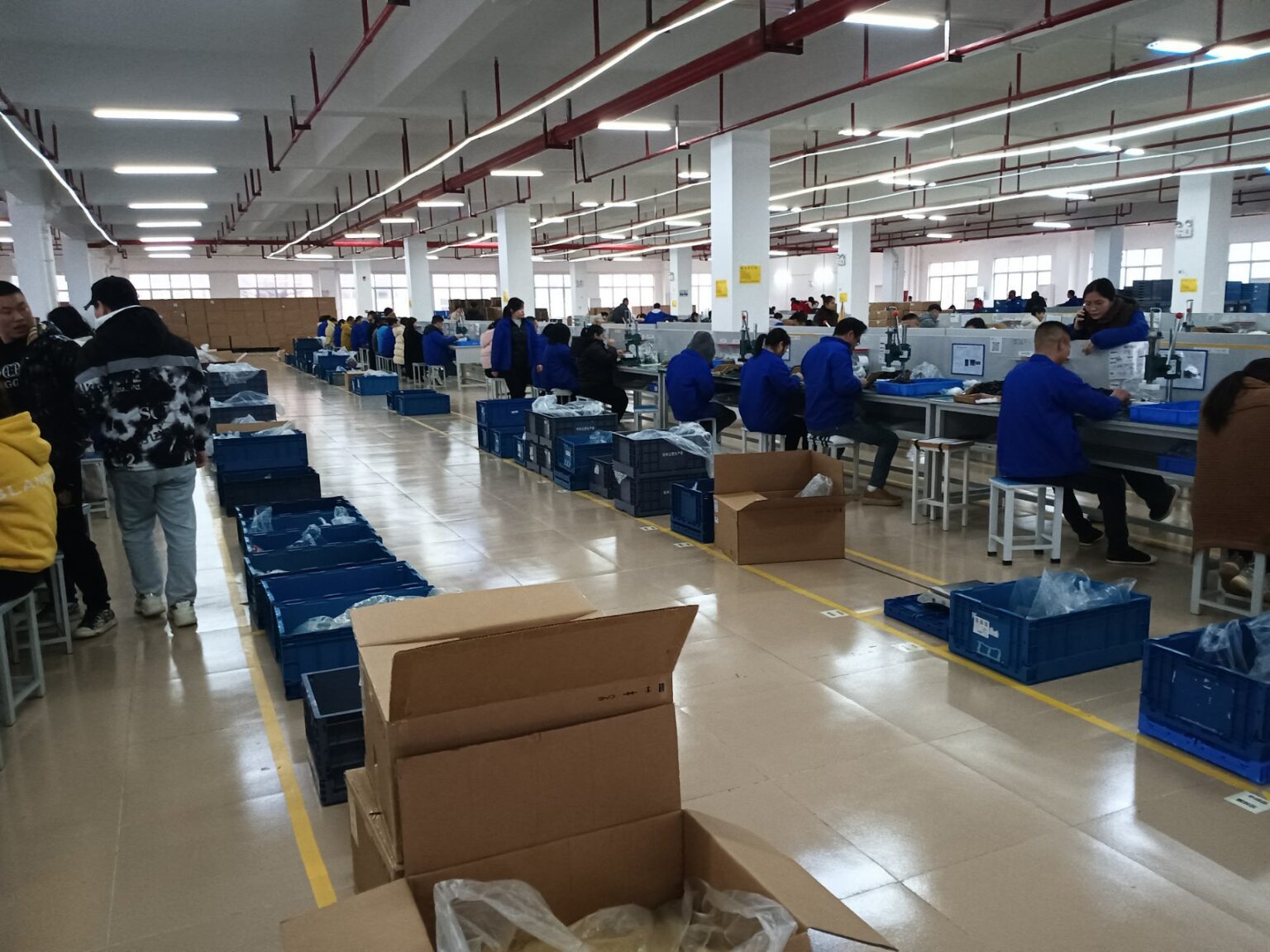
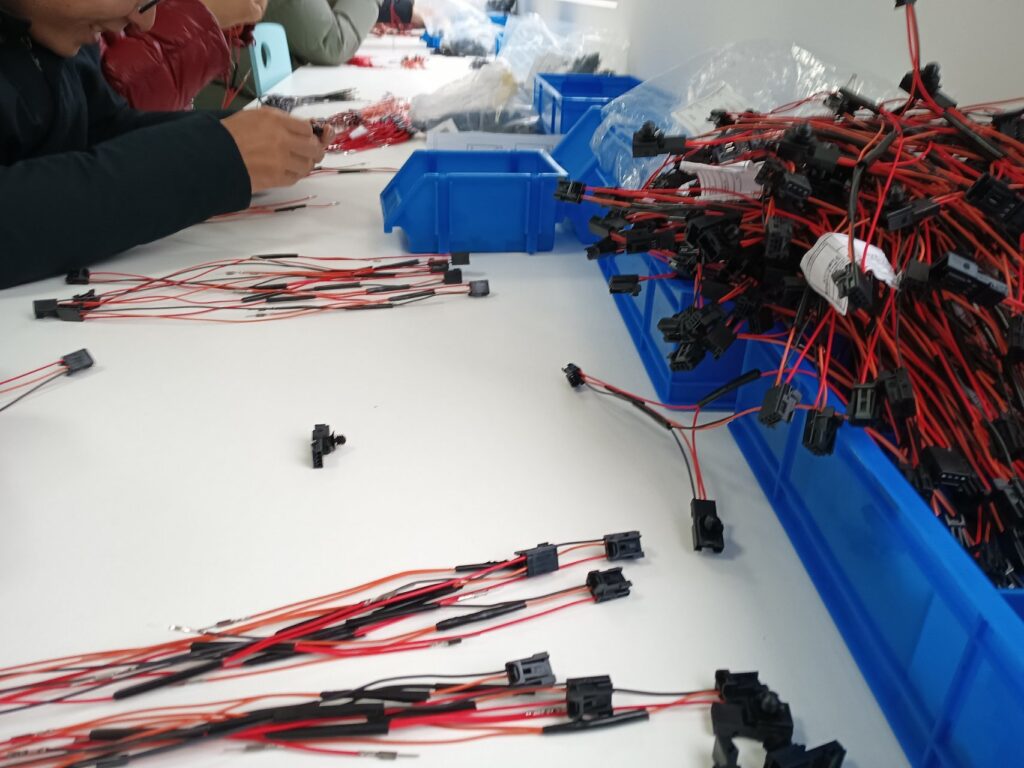
I was assigned to the assembly section, doing basic general labor: not just tightening screws, but also applying sponge pads and inserting wiring harness terminals. It required almost no skill; honestly, a middle school student could master it in a few minutes. For the first half-day, I even thought it was easy, almost like a casual experience. I thought: How hard can this be?
But that novelty wore off in less than a day. After a few days, my biggest takeaway was how different real factory life was from my imagination. Here are the three most eye-opening things I learned.
1. Physical exhaustion is nothing like office “mental tiredness”
Back at my office job, I had overtime and pressure, but it was mostly mental fatigue—tiring for the brain, draining energy. A good night’s sleep was usually enough to recover. On the assembly line, though, it was pure, physical exhaustion.
I sat the entire time, back straight, hands nonstop. Since it’s a line job, my speed directly affected the workers before and after me. I didn’t dare slack off or slow down; I had to be quick and efficient. By the end of each day, my shoulders were stiff as stone, my wrists ached so badly I could barely lift them, and my eyes stung from staring at tiny wiring terminals for hours. This tiredness seeped straight from my bones. When I got back to the dorm, I had no energy left to talk—I just collapsed into bed and slept.
2. A $700–$1,000 monthly salary? It comes with endless overtime
Before going, I’d seen recruitment posters promising: $700–$1,000 a month, room and board included. At first glance, it sounded attractive for unskilled work. But after talking to veteran workers who’d been there two or three years, I learned the real cost behind that number.
They told me the advertised salary was the maximum, only achievable with full attendance plus every possible overtime shift. That meant no weekends, no holidays, working until 8 or 9 PM every night, weekends included—no days off, no absences. Only then could you barely hit $1,000. Without overtime, working normal hours with regular days off, you’d only take home around $450 a month—barely enough to get by.
In that moment, I truly understood: no money comes for free. Every seemingly “easy” paycheck is earned with hours and physical strength.
3. Repetitive days wear down your patience—and test your perseverance
One thing I never expected: the sheer boredom. Assembly line work has zero novelty. Every day, you repeat the same motions: pick up a terminal, insert it into the harness, tighten the screw, apply the sponge—over and over, day after day.
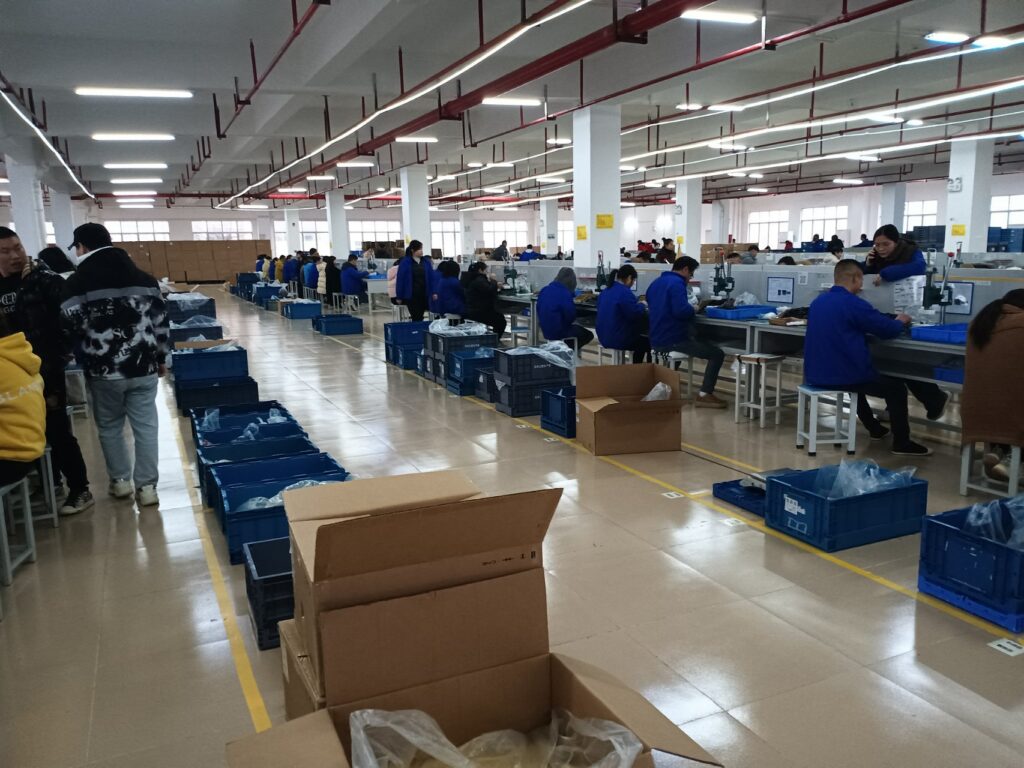
At first, I tried to make it fun by silently counting how many terminals I inserted or screws I tightened. By the third day, though, I was completely numb. All I heard was machine noise; all I saw was the same process. My mind went blank, and I just moved mechanically. I couldn’t begin to imagine how workers who’d stayed for years, even decades, managed to keep going.
My one-week experience ended quickly. Walking out of the factory, I didn’t feel relieved—I felt respect. Before, I’d thought “tightening screws” was simple, mindless, low-level work. But after living it, I realized every job deserves respect, and every cent earned is hard-won.
This experience calmed a lot of my restlessness. The stable life we take for granted is supported by other people’s daily perseverance. When we complain about our hard jobs, others are fighting for every penny.
From now on, whenever I see factory workers or hear assembly line machines, I’ll feel more understanding and empathy.
No job is easy.
Everyone who lives earnestly and works hard is truly shining. ✨