Driven by the explosive growth of AI computing power, memory chips serve as the core of digital infrastructure, and the domestic substitution trend is accelerating rapidly. China’s memory sector boasts a diverse ecosystem covering wafer manufacturing, chip design, memory interface, storage modules, packaging & testing and other complete industrial chain segments.
Due to different statistical metrics such as market capitalization, market share and segmented tracks, there is no universally unified ranking. Based on technical capability, industry influence, mass production scale and downstream market layout, we classify major domestic memory enterprises into three tiers and clarify their core strengths and market positioning.
Tier 1: Core Domestic Memory Leaders & Industry Pioneers
Enterprises in this tier master fundamental core technologies and occupy three mainstream memory tracks: NAND Flash, DRAM and NOR Flash. They form the cornerstone of China’s memory industry.
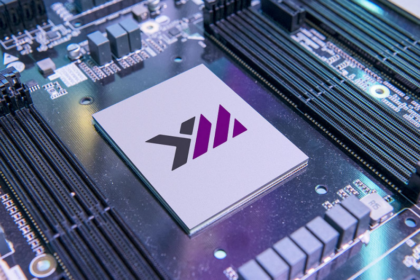
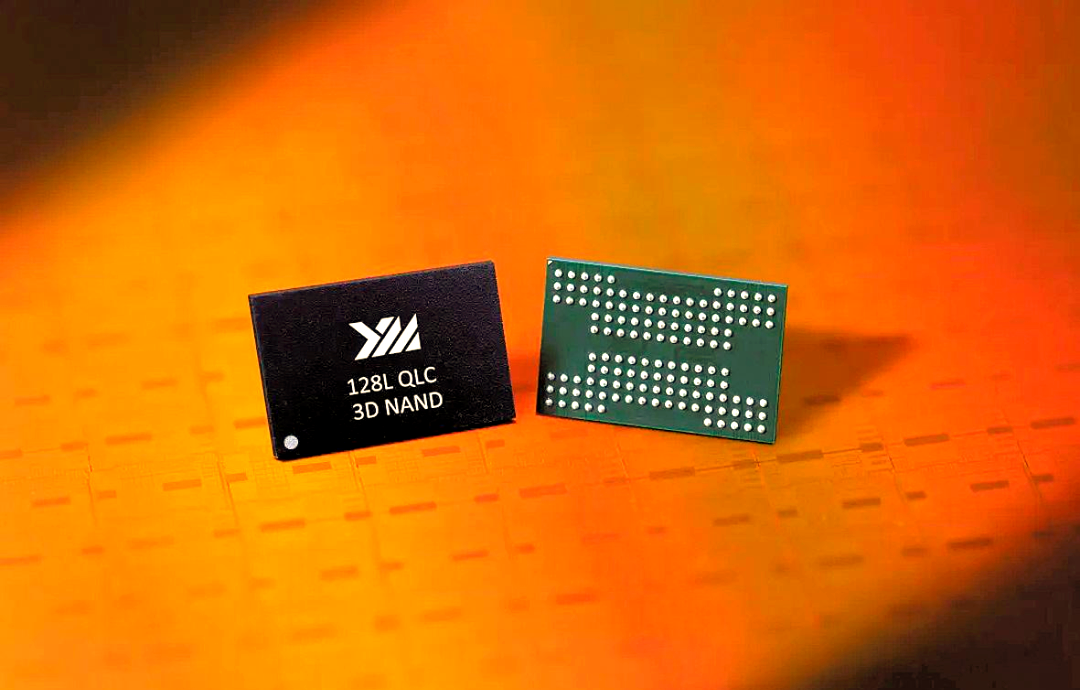
- YMTC (Yangtze Memory Technologies) The absolute domestic leader in 3D NAND Flash, and the only Chinese firm achieving large-scale mass production of 3D NAND. Its self-developed Xtacking architecture breaks the monopoly of overseas technical routes. The 232-layer 3D NAND has entered mass production, putting its technology on par with top global players. Its products are widely adopted in solid-state drives, consumer electronics and enterprise storage.
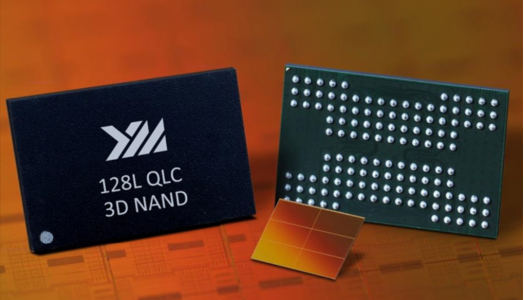
- CXMT (ChangXin Memory Technologies) China’s key DRAM leader, the first local enterprise to realize large-scale DRAM mass production. It focuses on R&D and manufacturing of DDR4, LPDDR5 and DDR5 products, continuously advancing process iteration to break the long-term monopoly of overseas manufacturers. Its products target PCs, servers, mobile terminals, automotive electronics and other markets with rising global DRAM market share.
- GigaDevice Leading domestic memory chip design firm. It ranks among the world’s top 3 suppliers of NOR Flash and takes the No.1 position in China. The company also develops niche DRAM and MCUs, with competitive automotive-grade memory products covering industrial control, automotive electronics, consumer electronics and AI terminals. It is the benchmark enterprise in memory chip design.
Tier 2: Hidden Champions in Segmented Tracks with Distinctive Advantages
These enterprises are not engaged in fundamental wafer manufacturing. Instead, they build high technical barriers in niche sectors, connecting upstream wafer vendors and downstream end customers, forming an indispensable backbone of the industrial chain.
- Montage Technology Global leader of memory interface chips. Its DDR5 memory interface chips hold over 36% global market share. As critical supporting components for AI server memory modules, its products enjoy high technical barriers. The company fully benefits from the expansion of data centers and computing infrastructure, while developing new products including memory buffer chips and clock chips.
- Longsys Top domestic storage module manufacturer specializing in enterprise-grade SSD and embedded storage. It owns Lexar, a high-end consumer storage brand. Its products cover consumer storage, industrial storage and data center solutions, serving domestic AI server and cloud computing clients.
- BIWIN Storage Rising player focusing on embedded storage and edge AI storage, adopting an integrated model of chip design, packaging & testing, and module manufacturing. It prioritizes AI smartphones, AI PCs and automotive storage, achieving rapid growth in embedded SSD and DRAM modules.
- Ingenic Semiconductor Benchmark supplier of automotive-grade memory. It entered the high-end memory market via the acquisition of ISSI, ranking fourth globally for automotive DRAM. Deeply integrated into new energy vehicle and industrial control supply chains, it is a core player for domestic substitution of automotive storage.
- Giantec Semiconductor Hidden champion in the EEPROM sector, ranking second worldwide and first in China. It also holds an advantageous position in DDR5 SPD supporting chips, supplying components for storage modules deployed in servers, laptops and automotive electronics.
Tier 3: Emerging Players & Industrial Chain Supporting Enterprises Achieving Breakthroughs in Niche Markets
These firms focus on small-capacity memory, controller chips, packaging & testing and other subdivisions. They continuously fill supply gaps and advance domestic substitution in specific product categories.
- Dosilicon Versatile supplier of niche memory products including SLC NAND, NOR Flash and small-to-medium capacity DRAM. Multiple products have passed AEC-Q100 automotive-grade certification, targeting industrial and automotive niche markets.
- Demingli Dual-driven by storage controller chips and storage modules. It self-develops SSD and memory card controller chips with prominent cost-performance advantages, expanding market presence in embedded storage and removable storage.
- Puya Semiconductor Key domestic substitute supplier for niche NOR Flash and EEPROM. Its products fit AI earbuds, smart wearables, AR/VR and other AI terminals, gaining notable advantages in storage for compact smart hardware.
- Shenzhen Kaifa Technology (KAIFA) Leading independent memory packaging & testing service provider in China. It undertakes substantial packaging and testing orders from YMTC and CXMT, and has reserved HBM advanced packaging technologies to provide packaging support for high-end computing storage.
It should be emphasized that there is no absolute universal ranking for domestic memory chip enterprises.
YMTC and CXMT operate capital-intensive IDM wafer manufacturing businesses; GigaDevice and Montage Technology focus on chip design; Longsys and BIWIN Storage specialize in modules; KAIFA concentrates on packaging and testing. Direct horizontal comparison is not objective given their different tracks and business models.
With continuously rising demand for AI computing power and growing willingness of downstream clients to adopt localized products, the entire memory industrial chain is poised for sustained growth. Enterprises across all three tiers will keep advancing technological iteration and narrow the technology gap with leading international manufacturers.