
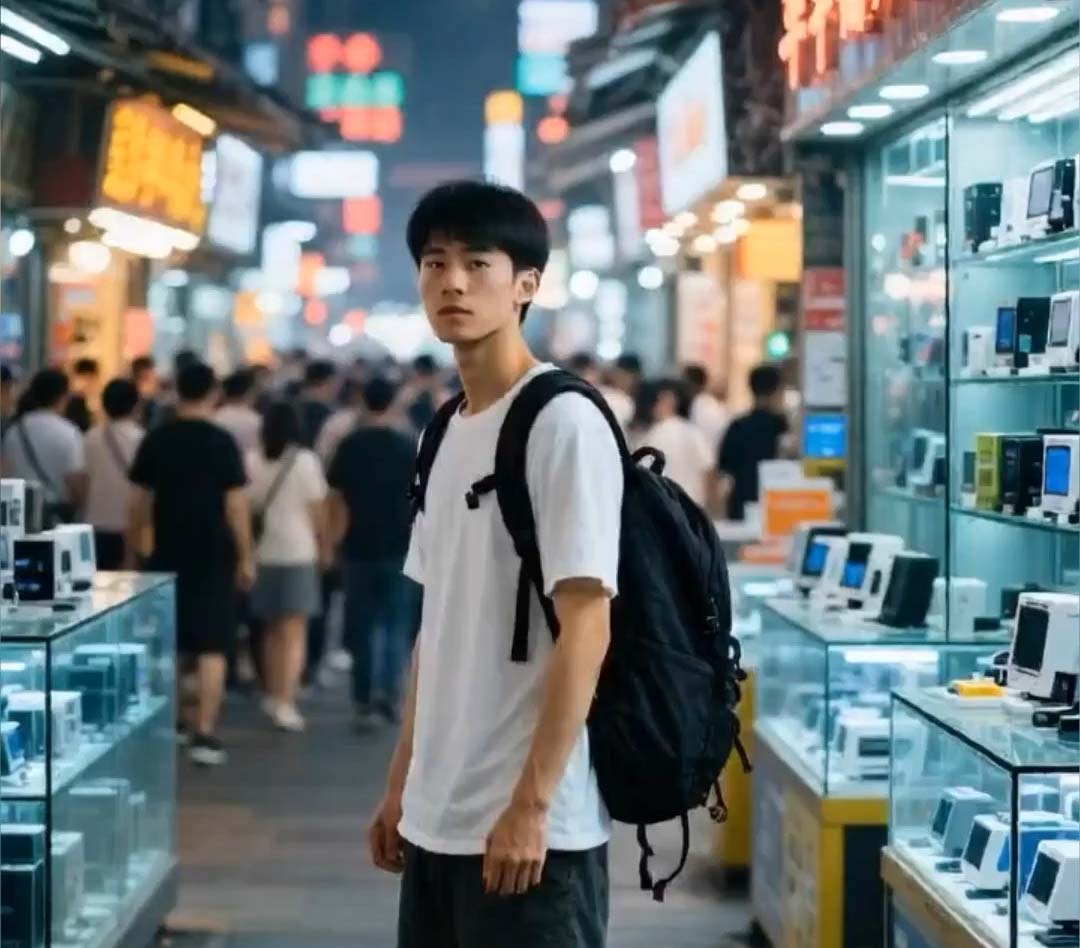
In the digital industry, Tongtiandi Communication City in Huaqiangbei is an iconic landmark.
It is hailed as China’s No.1 Electronics Street, yet also known as a complicated market full of uncertainties. The complete industrial chain of iPhones gathers here, covering electronic components, assembly and maintenance services. All kinds of devices are available, including brand-new phones, refurbished units, second-hand gadgets, parallel imports and official domestic versions.
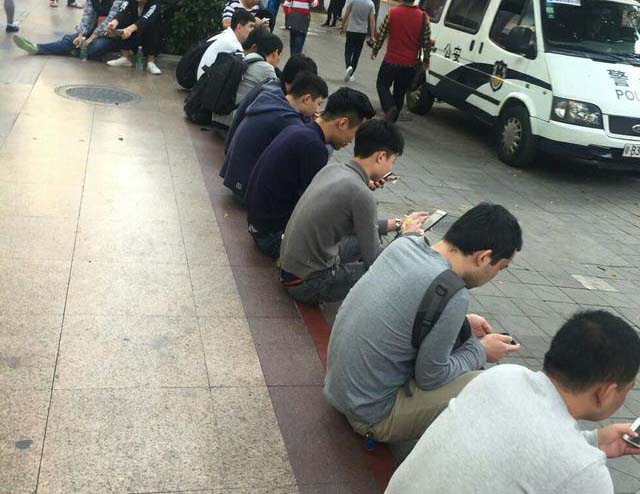
Apart from numerous shop owners, a unique irreplaceable group wanders in the gray area of the business — digital backpackers.
Many people are unfamiliar with this group. Simply put, they own no physical stores. Hanging around Feiyang Digital Mall all day long, they carry bags and shuttle between stalls, acting as middlemen who purchase mobile phones on behalf of customers. That is how they got the name backpackers.
I once wondered why such a group exists. Basic phone inspection does not require highly professional skills. Most backpackers run accounts on Douyin and Kuaishou. They post videos about market purchases, device testing and market trends to gain followers.
Once trust is built, followers will contact them via private WeChat messages. The common transaction process goes like this: customers pay a deposit or full payment upfront. Backpackers then source phones from stalls and charge a service fee of 100 to 200 yuan. Finally, goods are delivered to buyers by express delivery.
The growing number of backpackers stems from solid market demand.
China has around 200 million iPhone users, including owners of refurbished and overseas-version phones. Users of American iPhones account for 2% to 5% of the total population, at least 4 million people. Steady demand fuels the thriving purchasing agency business.
Long-term exposure to short-video content makes customers believe that only these insiders can provide reliable devices, while purchases from other channels tend to end up in fraud. Since most out-of-town buyers cannot travel to Shenzhen personally, backpackers become a convenient choice.
I used to regard backpackers as redundant middlemen who add extra costs to transactions. After analyzing the market rules, I finally understand their rational existence.
For one thing, they make wholesale prices more transparent. Affordable overseas phones are widely sold on online shopping platforms. Still, some quoted prices may be marketing tactics worked out by sellers and backpackers, with actual costs even lower.
For another, responsible backpackers popularize practical digital knowledge. Few merchants take the initiative to teach consumers how to distinguish original screens, covered screens, polished screens, FOG screens, China Star screens and IC-replaced screens. While pure resale is unappealing, knowledge sharing brings real value to ordinary buyers.
Their existence conforms to market laws and creates a win-win situation. Short-video promotion boosts sales for stall owners. Backpackers earn service fees, and customers get iPhones at prices lower than official domestic versions.
Nevertheless, the community has mixed reputations. Honest dealers stick to their words, while greedy ones seek illegal profits.
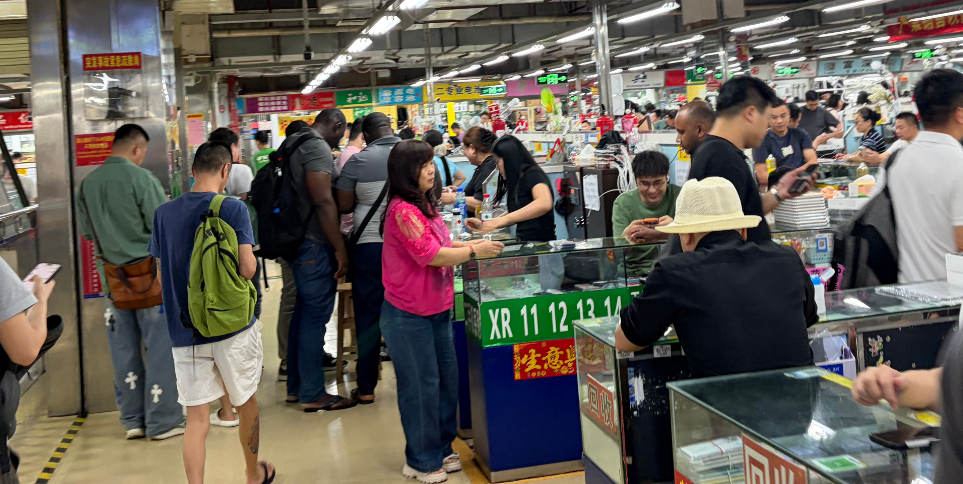
Some unscrupulous sellers claim their iPhones are 3,000 RMB cheaper than official prices, hiding hidden troubles such as network locks, frequent reactivation failures and motherboard damage caused by card slot modification. Some even sell assembled phones as genuine products.
Most deals are completed through private WeChat transfers without official supervision. Scams where sellers take money and refuse to deliver goods also happen frequently. Buyers need to stay alert during transactions.