Smart Glasses: The Pioneer of Apple’s Hardware Upgrade
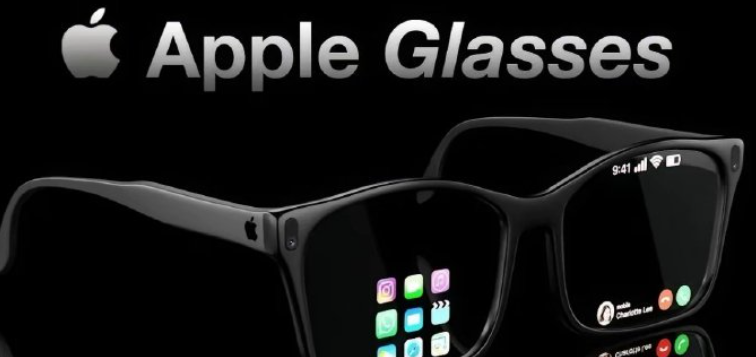
2026 is set to be a tough year for Apple fans’ wallets. After hitting a bottleneck in software innovation, Apple has fully shifted its focus to hardware upgrades, with a host of blockbuster new products in the pipeline. Spurred by the booming market performance of Meta’s smart glasses last year, Apple has accelerated the R&D of its own smart glasses. Its Taiwanese suppliers have invested 5.6 million US dollars in building an R&D center, focusing on nanoimprinting and optical engine technologies—the key to making the glasses slim and lightweight. Resembling ordinary glasses in appearance, this model has no display screen and perceives the outside world through cameras and sensors, enabling functions such as taking photos, translating road signs, and answering various questions via its built-in AI.

New MacBook Pro: M5 Chips & Preparations for OLED Upgrade
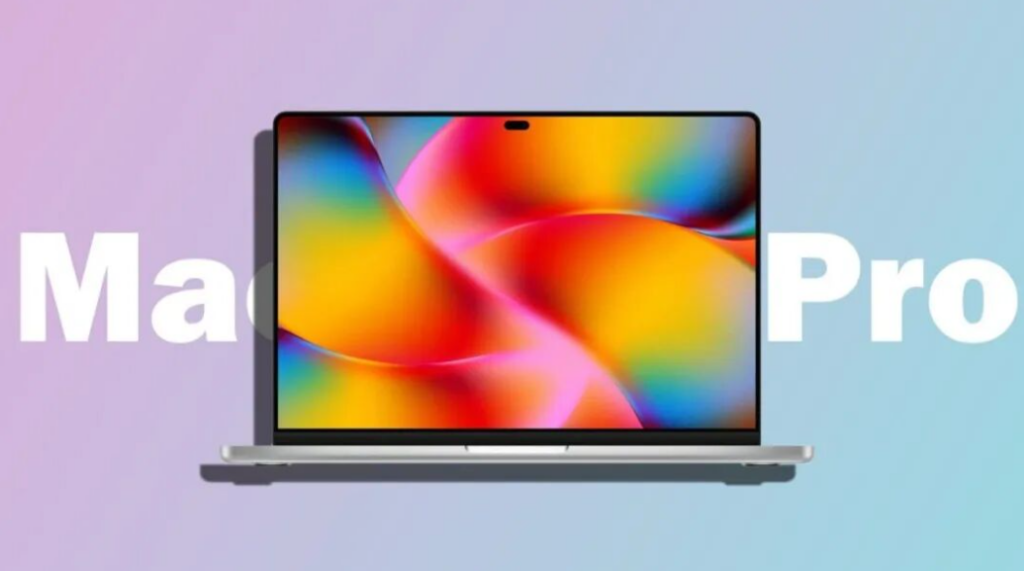
Apple’s laptop product line is getting a major update in February 2026, with the new MacBook Pro on the verge of release. Inventories of old models at offline retailers have dropped to level 1, meaning the phase-out and clearance of previous-generation products are well underway. The new models will be powered by M5 Pro and M5 Max chips, which adopt a modular design that separates computing and graphics units, significantly boosting heat dissipation under heavy-load scenarios. This hardware upgrade is deeply integrated with the macOS 26.3 system; to prevent premature leakage of new product parameters, Apple has hidden relevant data in the Xcode 26.3 code and even delayed the release of the system’s public beta version. Looking ahead, Apple plans to launch a MacBook Pro with an OLED screen by the end of 2026. To support this, Samsung has invested 410 billion South Korean won (equivalent to approximately 22 billion RMB) in an 8.6-generation panel production line. The OLED screen features higher brightness, more accurate color reproduction, and a slimmer design, paired with Apple’s newly developed reinforced hinge to avoid device shaking during screen touch operations.
iPhone Strategy Overhaul: Foldable Models as Core, Standard iPhone 18 Postponed
Apple’s smartphone product strategy has seen a drastic overhaul in 2026. To solidify its high-end market position, the company has decided to postpone the release of the standard iPhone 18, which is now expected to launch in 2027. Instead, Apple is focusing its R&D efforts on the foldable iPhone, an ultra-premium flagship with a steep price tag. This move is a direct response to cost pressures from rising memory chip prices, as Apple chooses to allocate its limited component resources to high-value models first.
Studio Display: First Major Revamp in Four Years with 120Hz Refresh Rate
Beyond smartphones and laptops, Apple’s display products are also due for an upgrade. The new Studio Display will make its debut in the first half of 2026, marking its first major revamp since its launch four years ago. The core upgrade is the support for a 120Hz refresh rate, which will drastically enhance the visual fluency of the display.
The Core Logic of Apple’s 2026 Hardware Layout
Apple’s logic behind this comprehensive hardware upgrade is crystal clear: software innovation has hit a bottleneck, while Siri has successfully integrated Google’s Gemini model, effectively upgrading its intelligent experience. The next step is to fully unleash the value of AI functions through hardware carriers, making 2026 a pivotal year for Apple’s hardware explosion. The company is gradually reducing its reliance on a single smartphone product and building a full-scenario hardware ecosystem. Although these new products are likely to come with premium price tags, they will deliver an entirely new user experience. Apple’s 2026 product launch event is expected to be the most exciting one in the past five years, and users can keep a close eye on the official website update at the end of February 2026—the first batch of MacBook Pro models equipped with M5 chips may be launched directly then.