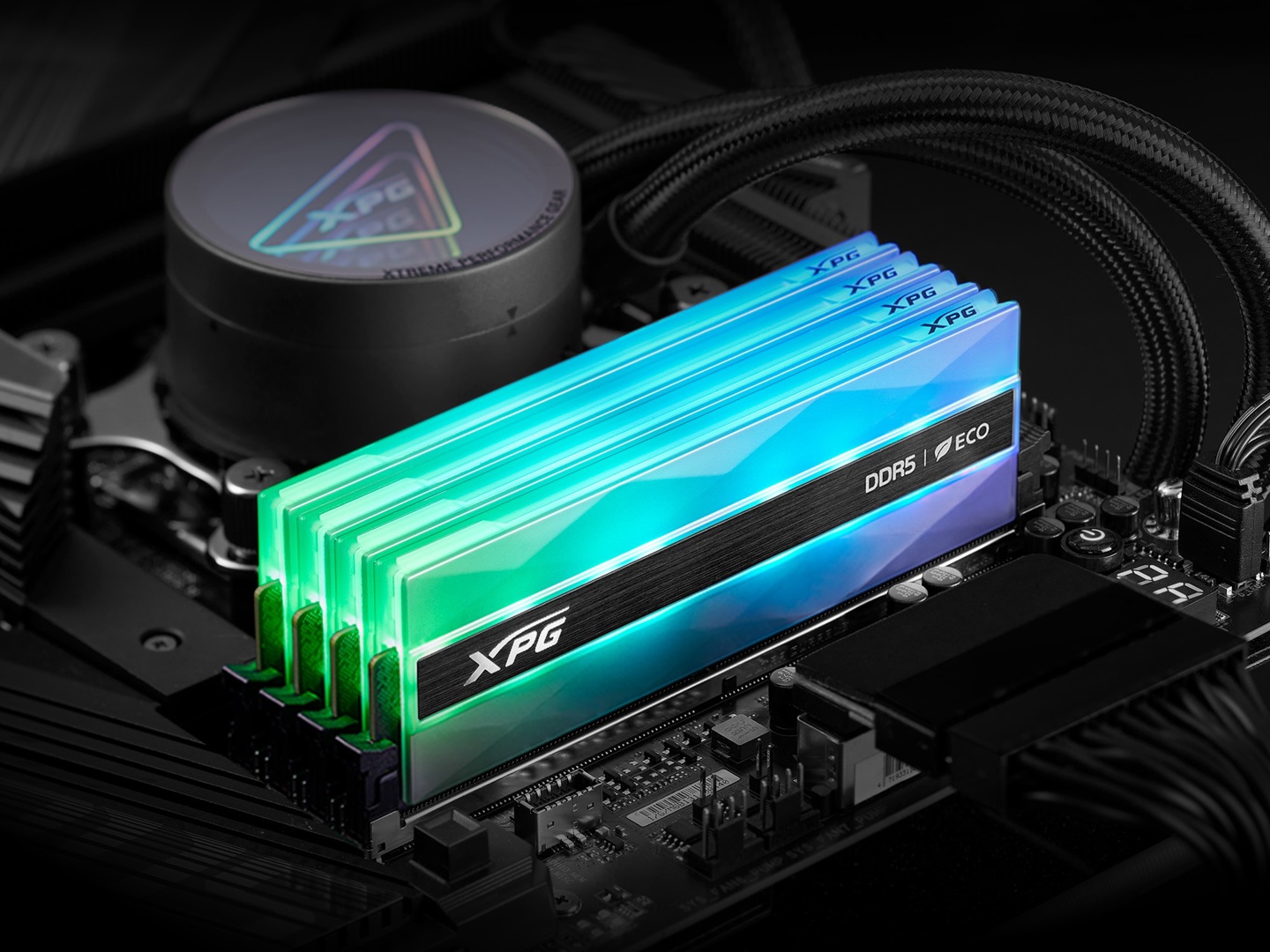
A merchant engaged in the custom PC business stated on a social platform that in early February, the price of DDR4 8GB memory modules, which had previously been at a high of $37.35 to $38.79, had quickly dropped to around $28.73, $27.30, or even $25.86.
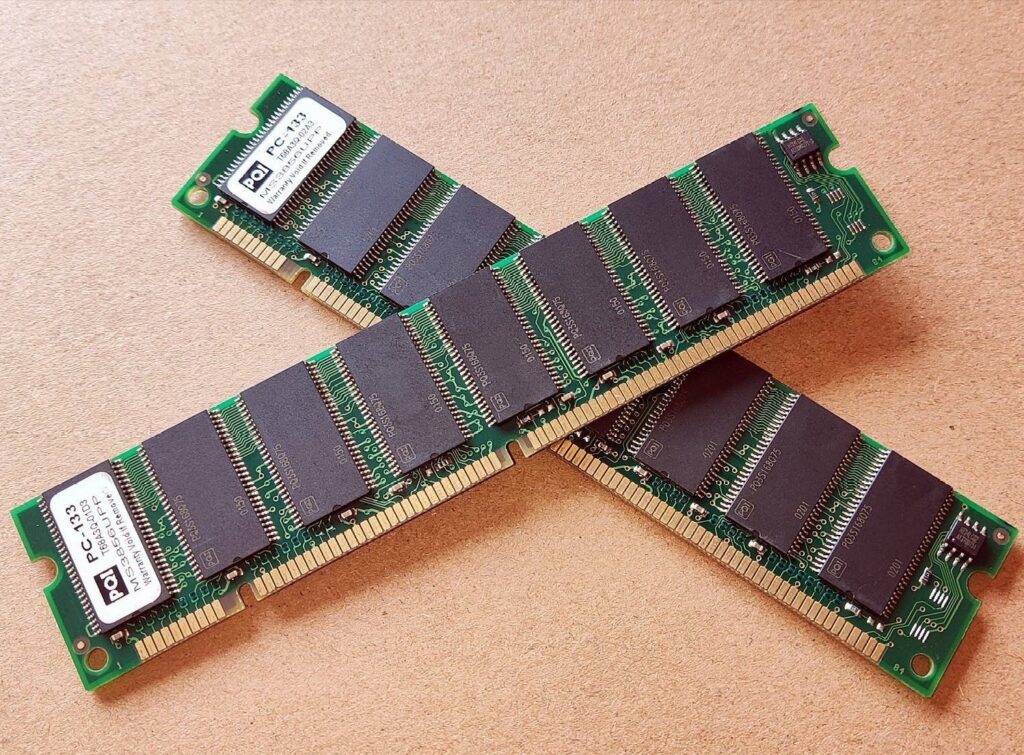
A merchant in Huaqiang North said that the price of 16GB memory modules once reached as high as $112.90, and now the price has also started to loosen, with some spot merchants having reduced the price to around $93.32. However, he emphasized that this price reduction was mainly carried out by individual spot merchants eager to recover funds.
On February 3, the market price of DDR4 memory modules only dropped by a few US dollars, and there was no “sharp plunge”. In his view, it is a common practice in the industry for spot merchants and distributors to ship goods at low prices to accelerate cash flow turnover as the Spring Festival approaches.
Data from CFM Flash Market shows that in the fourth quarter of 2025, the spot storage market ushered in an overall price surge, driving the DRAM and NAND price indices to rise sharply, with a single-quarter increase of more than 150% and an annual increase of 386% and 207% respectively.
Storage product prices have been rising rapidly since October 2025, and have tripled since November. Some merchants said that the prices of high-end solid-state drives (SSDs) and storage are still rising. Data from Huaqiang North Market shows that the price of 1TB SSDs has risen from $84.67 to more than $126.99 a week ago to $136.48 to $158.03 now.
The industry generally predicts that the storage industry driven by AI will enter a strong cycle lasting several years, and this cycle may continue until the end of 2027.
Market participants have different views on this judgment. A storage chip merchant with more than ten years of experience in the industry believes that the current upward trend in memory prices is more due to the market “speculating on expectations”. He said that many low-end memory modules (2GB, 4GB, 8GB, etc.) are actually not in short supply, and market demand is largely amplified by the market manipulation behavior of upstream and downstream enterprises.
He stated frankly that once the upstream and downstream enterprises are no longer united and major dealers start selling large quantities of goods, prices will fluctuate greatly. He summarized Huaqiang North with the word “speculation”: regardless of actual demand, as long as original manufacturers release insufficient production capacity or issue price increase notices, Huaqiang North will immediately start speculating on prices frantically.
Another merchant held a similar view: “Prices are all speculated up. A 16GB DDR4 memory module was only more than $14.11 last year, but it has risen so sharply in more than half a year. This product is only worth more than $14.11, and the current price of more than $112.90 will definitely drop back in the future. It is recommended to wait until after the Spring Festival to buy.”
Although it is rumored that the upward trend of memory prices will continue until 2027 to 2028, many people in the industry speculate that the market may “collapse” in the second half of 2026, and the decline in memory prices at that time may be even larger than the recent decline in gold prices.
Looking forward to the subsequent market trend, TrendForce remains optimistic. The agency’s survey shows that in the first quarter of 2026, the continuous increase in demand from AI and data centers will exacerbate the global memory supply-demand imbalance, and the bargaining power of original manufacturers will continue to improve. Based on this judgment, TrendForce predicts:
The conventional DRAM contract price will be adjusted from a quarter-on-quarter increase of 55% to 60% announced at the beginning of January to a quarter-on-quarter increase of 90% to 95%; the NAND Flash contract price will be raised from a quarter-on-quarter increase of 33% to 38% to a quarter-on-quarter increase of 55% to 60%, and there is no possibility of further upward adjustments in the future.
Specifically for the DRAM market of mobile terminals, TrendForce said that it is expected that the contract prices of LPDDR4X and LPDDR5X will both rise sharply in the first quarter, with a quarter-on-quarter increase of about 90%, setting a record high. Among them, the original manufacturers have successively finalized the first-quarter contract prices for American mobile phone customers since the end of last year; the contract prices for domestic mobile phone customers are expected to make substantial progress as early as the end of February.